
 English
 Español
 日本語
 русский
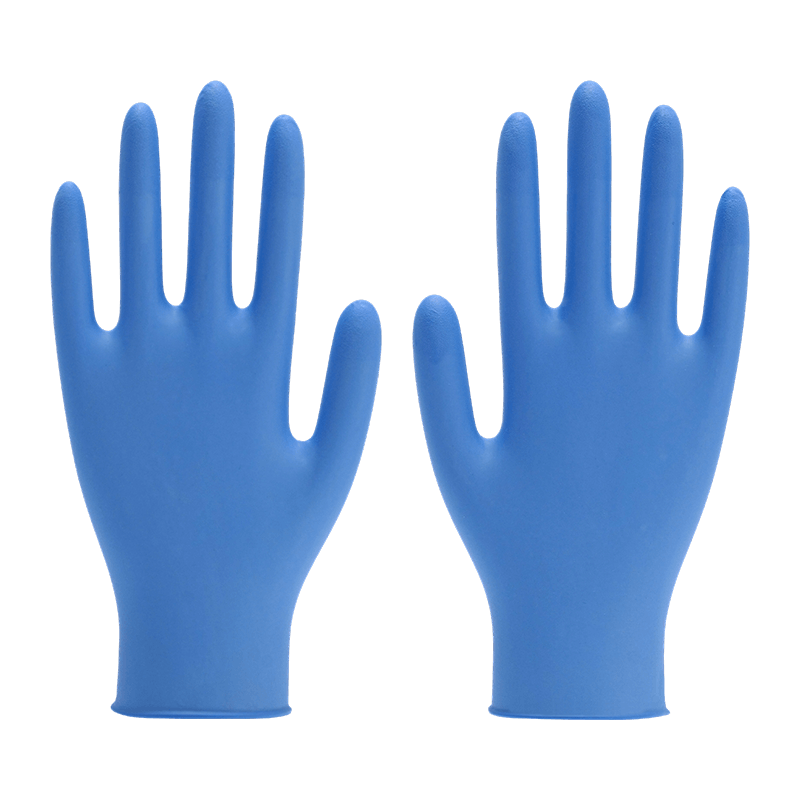
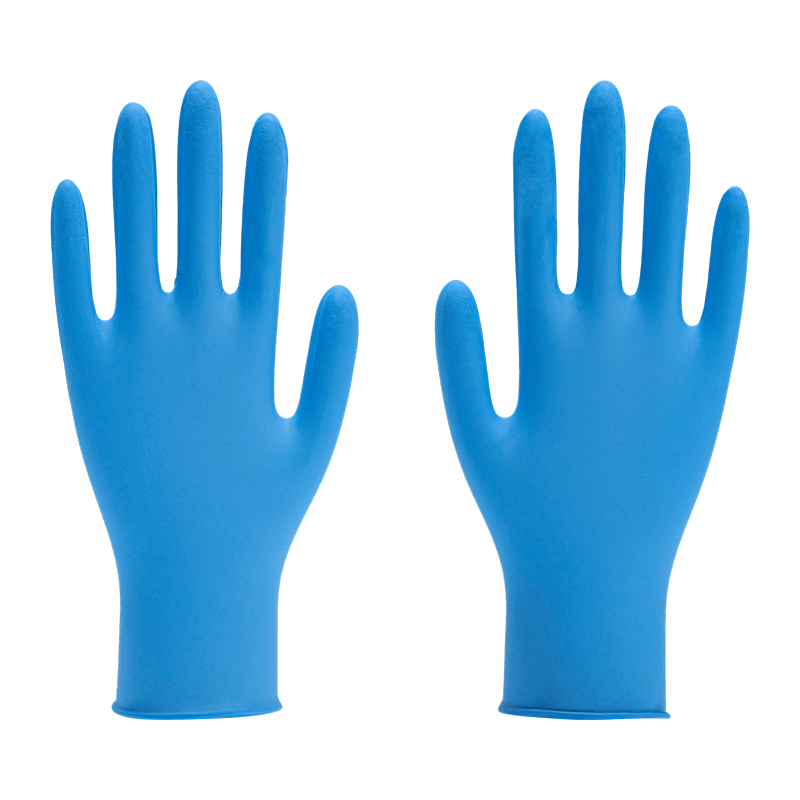
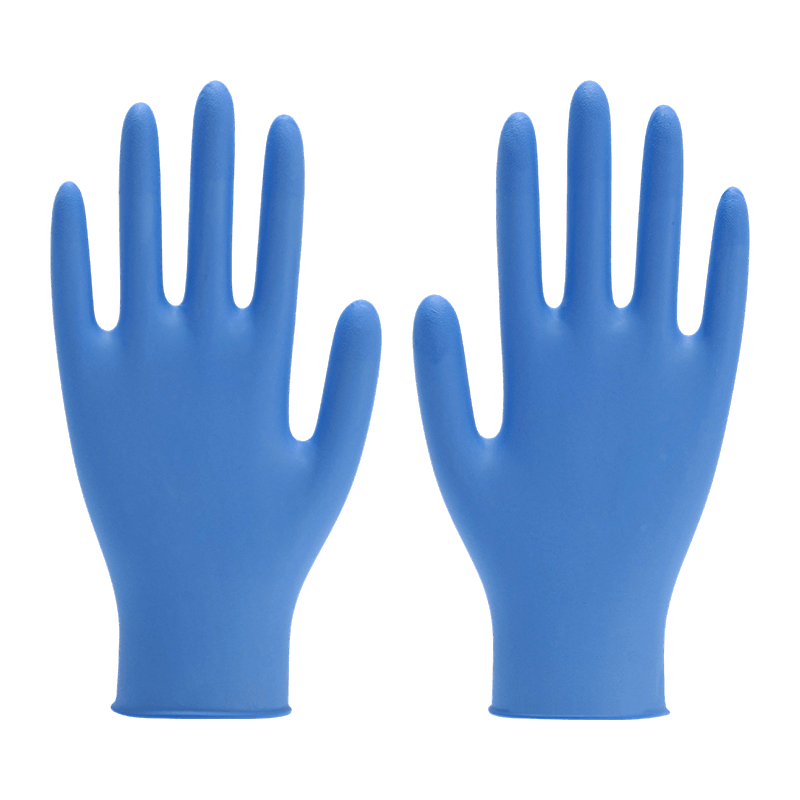
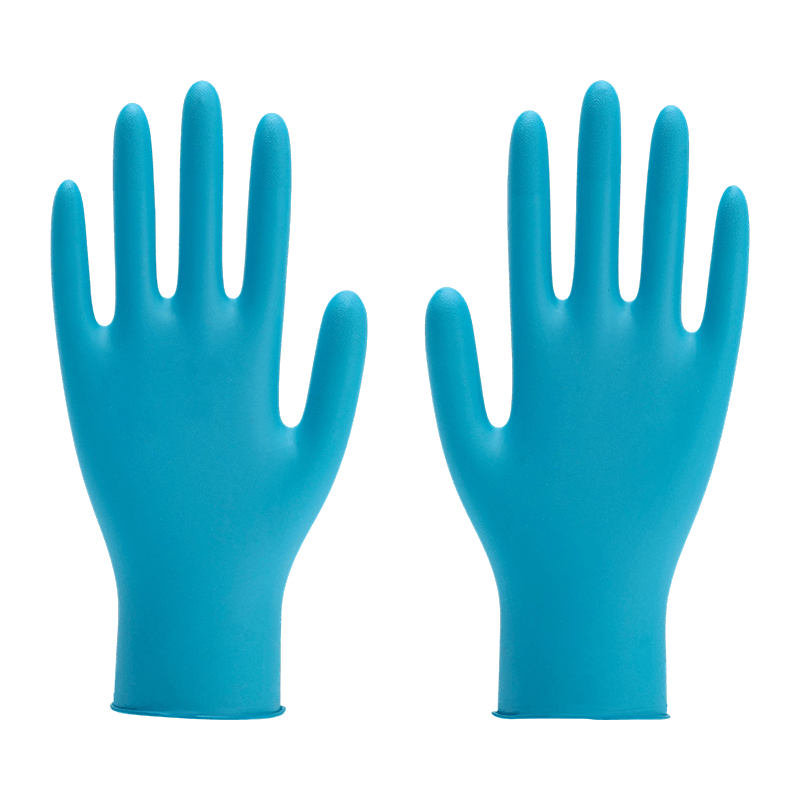
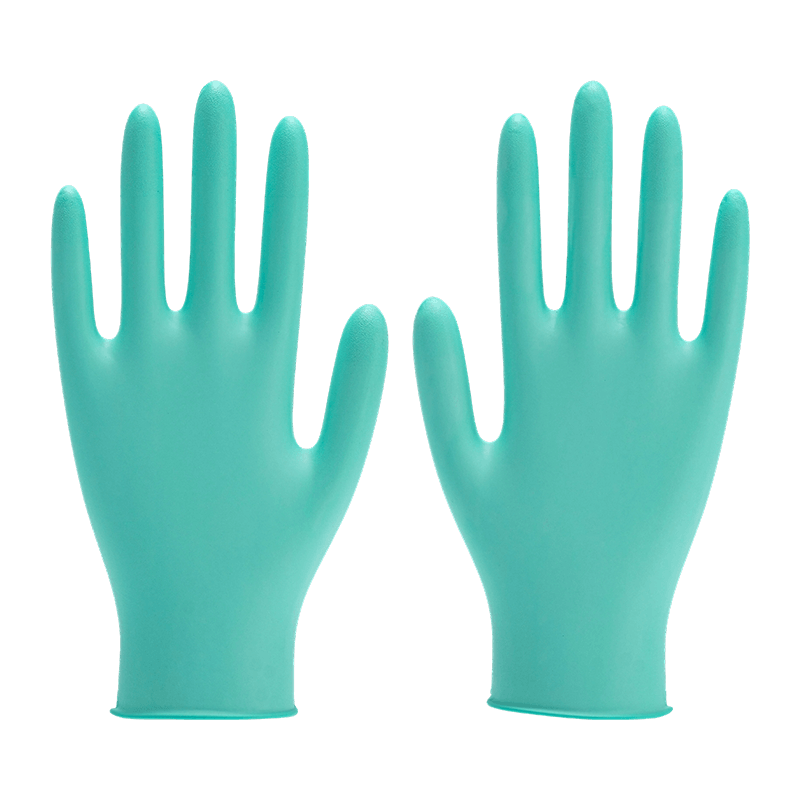
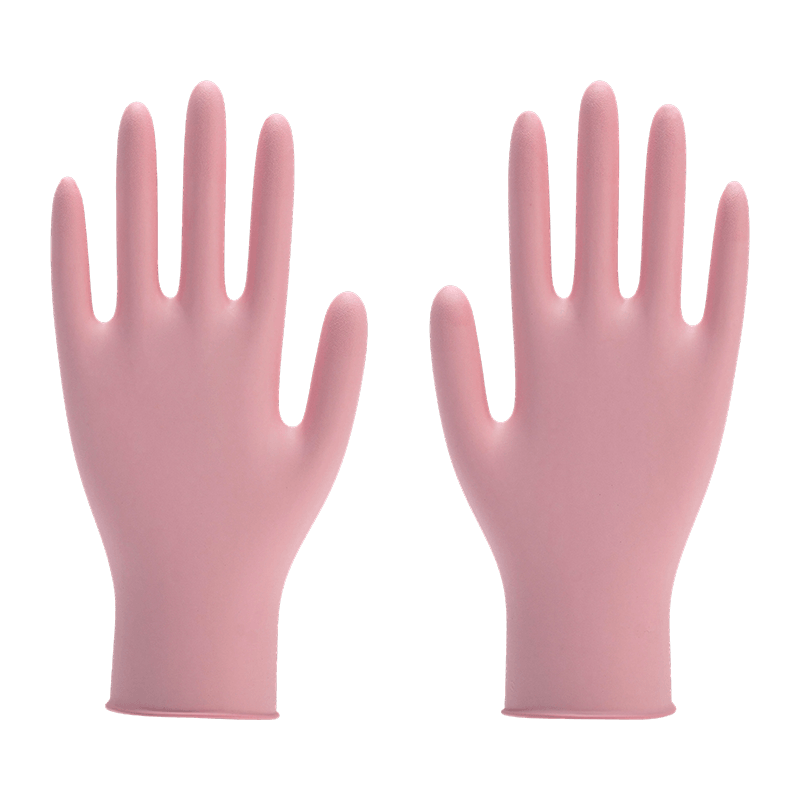
If you buy disposable gloves by the case, the moment of truth happens the first time a glove fails. The puncture, torn cuff, or stiff film is not an isolated accident. It is the visible result of a c...
READ MORE
News Category
Product Category
How Can Gloves Help in Infection Control? Insights from a Glove Manufacturer
Infection control is built on simple, repeatable actions. Among them, wearing gloves is one of the most familiar, yet one of the most misunderstood. As a professional manufacturer of medical examination gloves, we see firsthand how a well-chosen glove can interrupt the chain of transmission in hospitals, clinics, food-processing plants, and industrial facilities. But gloves only help when they are the right gloves, worn at the right time, and removed the right way. In this guide, we explain how gloves contribute to infection control, where they work best, and what your team needs to know to use them effectively.
How Gloves Form a Protective Barrier
Human hands are the most active vehicles for spreading microorganisms. Every surface a healthcare worker touches can carry bacteria or viruses to the next contact. Gloves create a physical barrier; they do not kill germs, they block them. When the glove material stays intact, it prevents microorganisms on the wearer's hands from reaching the patient, and it prevents the patient's blood and body fluids from reaching the wearer.
Nitrile gloves are especially well suited to this job. Nitrile is a synthetic rubber containing no latex proteins, so it is safe for staff and patients with latex sensitivities. It resists punctures and chemicals, which is why nitrile has become the leading material for medical, food, and industrial protection. Quality matters: a glove that is too thin or poorly manufactured can fail when you need it most.
Choosing the Right Glove for the Setting
No single glove fits every infection-control task. The right choice depends on the exposure type, the precision required, and the working environment. A glove suitable for food packaging may not provide enough chemical resistance in a laboratory, while a heavy industrial glove reduces the tactile sensitivity a clinician needs during an examination.
| Setting | Primary infection risk | Preferred glove features |
|---|---|---|
| Medical and clinical | Blood, body fluids, and pathogens | Powder-free, medical-grade, textured fingertips |
| Food processing | Foodborne pathogens and contamination | Food-grade, powder-free, easy to change between tasks |
| Industrial | Chemicals, contaminants, and abrasions | Thicker material, textured finish, chemical resistance |
| Biosafety and laboratory | Biohazardous agents and cross-contamination | Fingertip-textured, high integrity, extended length options |
For clinical teams, a medical-grade, powder-free nitrile glove is the standard baseline. Powder-free construction removes the airborne particulate contamination associated with powdered gloves and reduces skin irritation risk. Textured fingertips give clinicians a secure grip on instruments and dressings, lowering the chance of accidental tears and slips during procedures.
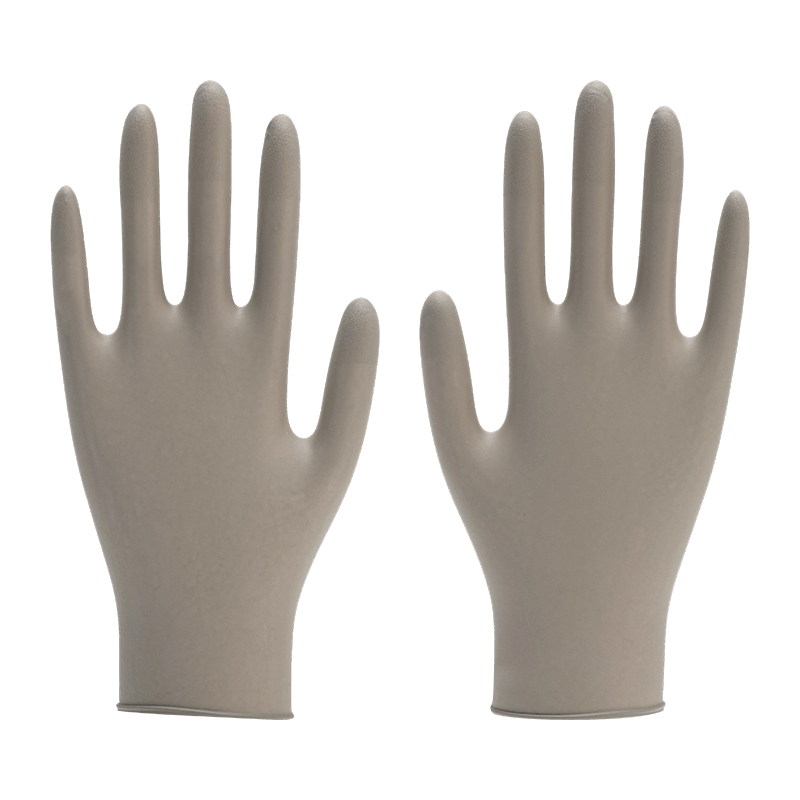 9-Inch Medium Medical Powder-Free Nitrile Examination GlovesThese powder-free nitrile gloves are designed for clinical use, reducing particulate contamination and skin irritation while textured fingertips improve grip on instruments, supporting safe examinations.View Product →
Length and cuff design also matter. Standard 9-inch gloves cover the wrist for most examinations, while 12-inch gloves extend further for higher-risk tasks. Sizing matters too: an oversized glove wrinkles and tears more easily; one that is too tight fatigues the hand.
When Gloves Should Be Worn
Gloves are indicated whenever hands may come into contact with blood, body fluids, mucous membranes, non-intact skin, or potentially contaminated surfaces. Typical situations include:
- Performing invasive procedures or handling sterile instruments.
- Drawing blood or handling laboratory specimens.
- Cleaning wounds, changing dressings, or touching mucous membranes.
- Cleaning and disinfecting patient-care areas or contaminated equipment.
- Handling raw food in commercial kitchens or processing plants.
- Working with hazardous chemicals or biohazardous materials.
Gloves are not necessary for every patient interaction. Routine contact with intact skin, such as taking a pulse, does not require gloving. Wearing gloves when they are not needed consumes resources and can create a false sense of security that weakens hand-hygiene habits. For a detailed breakdown, see our comparison guide to nitrile gloves in clinical settings.
Correct Donning and Doffing Techniques
A glove is only as protective as the technique used to put it on and take it off. Contamination can occur in seconds when a gloved hand touches bare skin or a clean surface during removal. A consistent procedure reduces that risk dramatically.
Putting on gloves
- Perform hand hygiene and dry your hands completely.
- Select the correct size; the glove should be snug but not restrictive.
- Inspect each glove for visible damage.
- Put on the first glove, then the second, and adjust the cuffs.
- If wearing a gown, pull the glove cuffs over the gown cuffs.
Removing gloves
- Pinch the outside of the first glove at the wrist, without touching bare skin.
- Peel it off, turning it inside out, and hold it in the gloved hand.
- Slide two fingers of your bare hand under the cuff of the second glove.
- Peel the second glove off over the first, turning it inside out so both gloves are contained.
- Dispose of both gloves immediately.
- Perform hand hygiene again.
This glove-to-glove, skin-to-skin method prevents the contaminated outer surface from contacting your skin. It is one of the first procedures we teach visitors to our factory, because a removal step can mean the difference between safe and exposed.
Common Glove Mistakes That Increase Infection Risk
Even experienced teams make errors. The most common mistakes we observe are easy to fix once you know what to look for.
| Mistake | Why it is risky |
|---|---|
| Reusing disposable gloves | Microorganisms multiply on the surface; reuse transfers them to the next patient. |
| Washing or disinfecting gloves | Cleaning damages glove integrity and creates micro-tears that let pathogens pass. |
| Wearing the same pair between patients | Each patient adds new contaminants; the barrier becomes a carrier. |
| Touching your face while gloved | Moves contamination from the environment to uncovered skin. |
| Skipping hand hygiene after removal | Hands can be contaminated during doffing; without hygiene, the cycle continues. |
None of these mistakes mean gloves are ineffective. They mean gloves work best inside a culture that treats infection control as a complete process, not a single product.
Gloves and Hand Hygiene Work Together
Gloves do not replace hand hygiene. Clean hands are the foundation that makes gloving meaningful. Hand hygiene applies fully to gloved practice: clean hands before putting on gloves, and again after taking them off. If your hands are contaminated when you don gloves, you trap that contamination inside, where warmth and moisture help it multiply. If you skip hygiene after doffing, contamination moves to everything you touch next.
Alcohol-based hand rubs remain the fastest way to reduce microbial load on hands, while soap and water are necessary when hands are visibly soiled. Together, hand hygiene and glove use create a defense that neither can achieve alone.
Beyond the Hospital: Infection Control in Food, Industry, and Biosafety
Infection control is not limited to healthcare. Foodborne outbreaks, cross-contamination in laboratories, and chemical exposure in industry all call for disciplined glove use.
Food processing and handling
In food environments, gloves prevent the transfer of pathogens from hands to ingredients and finished products. Food-grade nitrile gloves avoid the chemical additives used in general-purpose gloves, reducing the risk of substances migrating into food. Changing gloves between raw and ready-to-eat tasks is one of the simplest and most effective contamination controls in any kitchen or processing line.
9-Inch Medium Food-Grade Powder-Free Nitrile GlovesManufactured without chemical additives that could migrate into food, these powder-free gloves help prevent pathogen transfer in kitchens and processing lines, ideal for raw-to-ready tasks.View Product →
Industrial environments
Industrial workers face different risks: oils, solvents, sharp edges, and heavy contaminants. A thicker nitrile glove provides the mechanical resistance needed for handling parts and cleaning equipment, while still offering dexterity. Here, gloves protect not only the product and the worker, but also everyone who touches the surfaces the worker handles.
Biosafety and laboratory work
Laboratories working with biological samples need gloves that combine barrier reliability with fine motor control. Fingertip-textured biosafety gloves give researchers a firm hold on pipettes and specimen containers, reducing the risk of slips that release hazardous material.
9-Inch Medium Biosafety Fingertip-Textured Nitrile GlovesCombining barrier reliability with enhanced fingertip grip, these biosafety gloves offer fine motor control for handling pipettes and specimens, reducing slip risks in laboratory settings.View Product →Gloves are a simple technology with a serious responsibility. They protect hands, patients, products, and the public from harmful microorganisms. But a glove is only as good as its material quality, its fit, and the discipline of the person wearing it. Bring all three together, and infection control becomes something your team can count on.
At Jiangsu Complete Sincerity Medical New Materials, we produce nitrile examination gloves in a fully controlled production environment, with a stable daily output of more than one million pieces. Our closed-loop process supervision and constant-temperature production lines deliver the batch-to-batch consistency that infection-control professionals depend on. If you are evaluating a glove supplier, we invite you to explore our full range of nitrile gloves.
Featured Products
Recommended Products
News
-
-
Choosing the right nitrile glove size does not have to feel like guesswork. In our years of producing examination, industrial, food-grade, and biosafety nitrile gloves, we have seen many buyers ask t...
READ MORE -
If you buy disposable gloves in bulk, you have probably asked a supplier a very simple question and received a rather slippery answer: how many gloves are in a case? The honest short answer is usuall...
READ MORE -
You pick up a disposable isolation gown or a surgical drape, and you feel a lightweight sheet that looks nothing like woven cotton or knitted polyester. That material is nonwoven fabric, and it is ma...
READ MORE
Get A Free
Custom Quote!
Custom Quote!

We are committed to providing integrated solutions for nitrile gloves and non-woven products.
Get a Quote
Disposable Gloves
Quick Links
E-mail
gatherlucky-sales5@nt-huifu.com
Call Us
+86-18012229099
+86-18012229096
+86-18012229099
AddressNo.7 Wenzhou Road,Economic Development Zone,Shuyang County,Suqian, Jiangsu Province, China, 223600
copyright © Jiangsu Complete Sincerity Medical New Materials Co.,Ltd. All rights reserved.
 Registration Number: 2021200 / 2021200
This website is intended for users outside of China