
 English
 Español
 日本語
日本語 русский

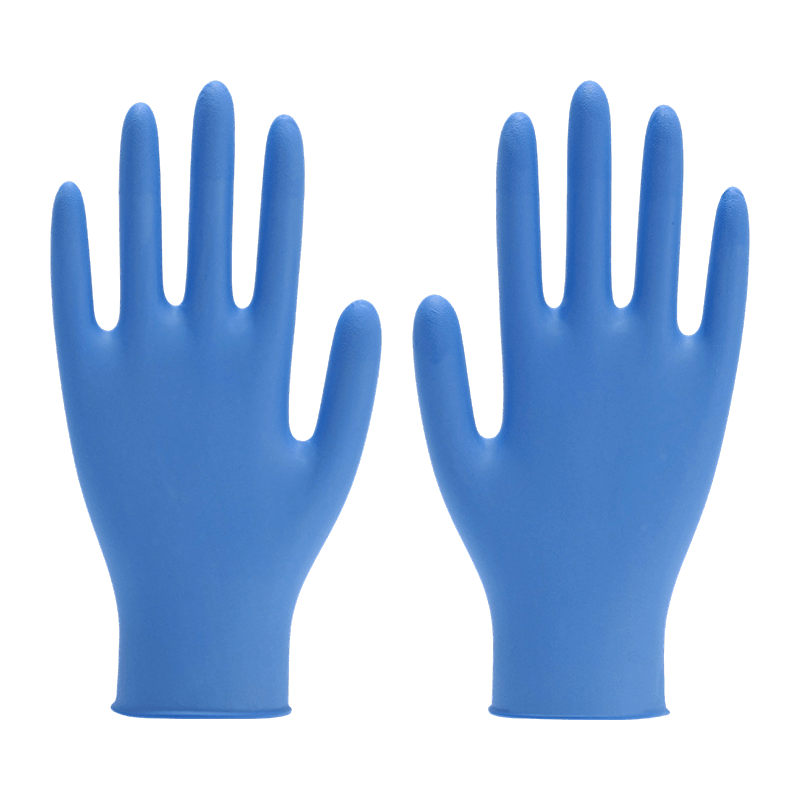



If you need disposable gloves that are durable, latex-free, and resistant to a wide range of chemicals and punctures, nitrile gloves are the best all-around choice for the majority of medical, industr...
READ MORE
News Category
Product Category
Nitrile Gloves in Clinical Settings: The Definitive Comparison Guide
Bottom line first
Nitrile gloves are now the dominant choice for medical use across most healthcare settings — offering latex-level barrier protection without allergy risk, broader chemical resistance than vinyl, and compliance with the most stringent global regulatory standards. For the majority of clinical applications, nitrile represents the best balance of safety, performance, and total cost. The choice of thickness, powdering status, and AQL rating depends on the specific clinical task.
~65%
Global medical glove
market share: nitrile
market share: nitrile
4–8 mil
Thickness range for
medical exam gloves
medical exam gloves
AQL 1.5
FDA required standard
for exam-grade gloves
for exam-grade gloves
Why Nitrile Became the Medical Standard
Latex gloves dominated medical settings for most of the twentieth century, and for good reason — natural rubber latex offered outstanding tactile sensitivity, elasticity, and barrier performance that synthetic alternatives struggled to match. The shift began in earnest in the 1990s, when occupational health data made it impossible to ignore the prevalence of latex sensitization among healthcare workers. Studies published in the Journal of the American Medical Association estimated that between 8% and 17% of healthcare workers developed latex allergy with regular exposure — compared to just 1–6% of the general population. Severe anaphylactic reactions, though rare, were documented in both patients and clinical staff.
Nitrile — a synthetic copolymer of acrylonitrile and butadiene — emerged as the viable replacement. Early nitrile formulations were stiffer and less sensitive than latex, but manufacturing advances through the 2000s and 2010s substantially closed the performance gap. Modern medical-grade nitrile gloves are formulated to elongate up to 500% before breaking, with tensile strength values meeting or exceeding ASTM D6319 and EN 455 requirements. When accelerated-ageing studies compare current nitrile against natural rubber latex under identical test conditions, the performance difference is clinically insignificant for the vast majority of medical examination and procedural tasks.
The latex allergy epidemic of the 1990s was the inflection point. Healthcare institutions that transitioned early to latex-free environments reported measurable reductions in occupational dermatitis claims and eliminated the risk of intraoperative anaphylaxis in sensitised patients — a patient safety argument that ultimately drove policy as much as product performance did.
Nitrile vs. Latex vs. Vinyl: A Direct Comparison
Three materials compete for the medical glove market. Understanding their respective performance profiles across the dimensions that matter clinically — barrier integrity, chemical resistance, tactile sensitivity, and allergy risk — is essential to making an informed procurement decision.
Nitrile
- No latex protein — zero Type I allergy risk
- Excellent chemical and puncture resistance
- Elongation up to 500% before break
- Suitable for chemotherapy drug handling
- Meets FDA AQL 1.5 exam standard
- Powder-free versions available (FDA-mandated)
- Higher unit cost than vinyl
- Not biodegradable in standard conditions
Natural Rubber Latex
- Superior tactile sensitivity and fit
- Excellent elasticity and dexterity
- Type I (IgE-mediated) allergy risk: 8–17% HCW
- Banned in many hospitals and surgeries
- Good barrier performance, widely tested
- Biodegradable — lower environmental impact
- Not suitable for patients with latex allergy
- Moderate cost
Vinyl (PVC)
- No latex proteins — no Type I allergy risk
- Lower barrier integrity vs. nitrile/latex
- Less elastic — higher failure rate under stress
- Limited chemical resistance
- Not recommended for chemotherapy or surgery
- Lowest cost per glove
- Suitable only for low-risk, short-duration tasks
- Contains plasticisers (DEHP) — regulatory concern
| Property | Nitrile | Latex | Vinyl |
| Barrier integrity (AQL 1.5) | Yes | Yes | Marginal |
| Type I latex allergy risk | None | High (8–17% HCW) | None |
| Chemical resistance | Excellent | Good | Poor |
| Puncture resistance | Excellent | Good | Low |
| Tensile strength | ≥14 MPa (ASTM D6319) | ≥18 MPa (ASTM D3578) | ≥8 MPa (ASTM D5250) |
| Tactile sensitivity | Good–Excellent | Excellent | Poor–Moderate |
| Chemotherapy suitability | Yes (ASTM D6978) | Partial | No |
| Surgical use | Yes (sterile grade) | Yes | No |
| Relative unit cost | Medium | Medium | Lowest |
| Environmental impact | Non-biodegradable | Biodegradable | Non-biodegradable + plasticisers |
* HCW = Healthcare Workers. Tensile strength values per relevant ASTM standards at time of manufacture.
Understanding Nitrile Glove Grades for Medical Applications
Not all nitrile gloves are interchangeable in clinical settings. The medical glove category encompasses several distinct grades differentiated by thickness, sterility, AQL rating, and the specific regulatory pathway through which they are cleared. Selecting the wrong grade for a procedure is a compliance issue, not merely a comfort preference.
Examination Grade
Medical examination gloves are the most commonly used category in clinical environments — patient assessments, phlebotomy, wound care, medication handling, and diagnostic procedures. Under FDA 21 CFR Part 880.6250, examination gloves must meet an Acceptable Quality Level (AQL) of 1.5 for pinholes, meaning no more than 1.5% of gloves in a lot may have detectable defects. In Europe, EN 455-1 through EN 455-4 govern barrier integrity, dimensions, biological evaluation, and shelf life for medical examination gloves. Thickness for examination-grade nitrile typically ranges from 3.5 to 5 mil (0.09–0.13 mm).
Surgical Grade
Sterile surgical gloves carry a more stringent AQL of 0.65, must be individually packaged in sterile pouches, and are manufactured to tighter dimensional tolerances to ensure precise fit during procedures. Nitrile surgical gloves have become increasingly prevalent as alternatives to latex, particularly in facilities that have adopted fully latex-free operating environments. They meet ASTM D6977 (nitrile surgical) and EN 455 Part 1–4 requirements. Thickness is typically 5.5–8 mil, providing additional protection against needlestick and instrument abrasion during prolonged surgical cases.
Chemotherapy and High-Risk Procedural Grade
For handling antineoplastic (chemotherapy) agents, nitrile gloves must meet ASTM D6978 — Standard Practice for Assessment of Resistance of Medical Gloves to Permeation by Chemotherapy Drugs. This standard tests permeation resistance against a panel of 17 chemotherapy agents including cyclophosphamide, doxorubicin, and fluorouracil. Vinyl and standard latex gloves do not meet this requirement. Double-gloving with extended-cuff nitrile gloves is the current standard of care for oncology pharmacy and chemotherapy administration, per NIOSH and OSHA guidance.
The FDA's 2016 ban on powdered medical gloves (effective January 2017) resolved a long-standing patient safety issue. Glove powder — typically cornstarch — carried latex proteins airborne, increasing sensitisation risk, and caused granulomatous inflammatory responses when introduced into surgical wounds. All currently FDA-compliant medical nitrile gloves are powder-free. Procurement of powdered gloves for any U.S. clinical use is a regulatory violation.
Allergy Profiles: Type I vs. Type IV Reactions in Clinical Context
The allergy question is more nuanced than "nitrile is safe, latex is not." Two distinct immunological mechanisms are relevant to glove selection, and nitrile eliminates only one of them.
Type I (IgE-Mediated) Hypersensitivity
Type I reactions are the life-threatening anaphylactic responses associated with latex protein allergy. Natural rubber latex contains over 250 polypeptides, of which at least 13 have been identified as allergens — Hev b 1 through Hev b 13. IgE-mediated sensitisation develops over repeated exposure, meaning healthcare workers are at cumulative risk that increases with career length. A 2019 systematic review in Contact Dermatitis found sensitisation rates of up to 22% among surgical nurses with >10 years of latex exposure. Nitrile is a fully synthetic polymer and contains no latex proteins whatsoever — Type I reactions to nitrile are not possible.
Type IV (Cell-Mediated) Hypersensitivity
Type IV reactions — allergic contact dermatitis — are mediated by T-lymphocytes and manifest as delayed-onset eczematous skin reactions, typically appearing 24–96 hours after exposure. They are caused not by latex proteins but by chemical accelerators used in the vulcanisation and manufacturing process: thiurams, carbamates, and mercaptobenzothiazoles. These accelerators are present in both latex and nitrile gloves, though formulations vary by manufacturer. A healthcare worker experiencing dermatitis while wearing nitrile gloves is most likely reacting to residual accelerator chemistry, not to nitrile itself. Accelerator-free nitrile formulations — which use alternative cross-linking chemistry — are available for sensitised individuals.
Clinical note: A patient or healthcare worker who presents with glove-related dermatitis while using nitrile gloves should not be automatically switched back to latex. Patch testing to identify the specific accelerator chemical responsible is the appropriate diagnostic step before switching glove formulations.
Regulatory Standards and Compliance Requirements
Medical nitrile gloves are regulated medical devices in every major healthcare market. Compliance is non-negotiable — using non-cleared gloves in clinical settings exposes institutions to regulatory liability and creates patient safety risk. The applicable standards differ by market:
- United States — FDA 510(k): Medical examination and surgical gloves require 510(k) clearance under 21 CFR Part 880. Manufacturers must demonstrate substantial equivalence to a predicate device. AQL 1.5 for exam gloves; AQL 0.65 for surgical gloves. All powdered medical gloves are banned.
- European Union — MDR 2017/745 + EN 455: Medical gloves are Class I medical devices under EU MDR. EN 455 Parts 1–4 govern leak resistance, dimensions, biological evaluation, and shelf life. CE marking is required. EN ISO 374 additionally applies when chemical resistance claims are made.
- ASTM Standards (U.S. Technical): ASTM D6319 for nitrile exam gloves; ASTM D6977 for nitrile surgical gloves; ASTM D6978 for chemotherapy resistance. These standards set minimum tensile strength, elongation, and thickness requirements tested before and after accelerated ageing.
- NIOSH and OSHA Guidance: While not product standards, NIOSH guidelines for handling hazardous drugs (NIOSH Publication 2016-161) specify chemotherapy-rated gloves (ASTM D6978-compliant) and double-gloving protocols for antineoplastic drug handling.
- ISO 374: For chemical-resistant gloves (relevant to nitrile gloves used in clinical laboratories and pharmacy settings), EN ISO 374-1:2016 classifies penetration resistance and permeation performance against a standard panel of chemicals.
Selecting the Right Nitrile Glove: Thickness, Colour, and Cuff Length
Within the nitrile medical glove category, specification decisions around thickness, colour coding, and cuff length affect both clinical performance and institutional workflow. These choices matter practically, not just on specification sheets.
Thickness and Task Appropriateness
Thinner gloves (3.5–4 mil) maximise tactile feedback and are appropriate for patient examination, phlebotomy, IV line management, and general nursing tasks. Thicker gloves (5–8 mil) sacrifice some sensitivity for enhanced puncture and chemical resistance and are the correct choice for chemotherapy handling, instrument processing, laboratory chemical work, and surgical assistance. Selecting examination-weight gloves for chemotherapy drug preparation is a common error — the reduced barrier durability under chemical contact creates an unacceptable exposure risk even when the glove passes its pinhole AQL test.
Colour Coding for Clinical Differentiation
Colour-coded nitrile gloves serve a genuine functional purpose in clinical environments — not merely aesthetic differentiation. Blue or dark blue nitrile is the most common examination colour. Black is frequently used in instrument processing and autopsy settings. Green is common in surgical theatre environments. Many institutions adopt a colour protocol where different glove weights or formulations are visually differentiated to prevent the wrong-weight glove being selected from a storage area under time pressure.
Cuff Length Considerations
Standard medical examination gloves have a cuff length of 9–9.5 inches (230–240 mm). Extended-cuff gloves — typically 12 inches (305 mm) — are used in chemotherapy handling, sterile compounding, and any procedure with splash or run-back exposure risk. In surgical applications, cuff length is governed by the surgical draping system and gown cuff interface. Specifying standard-cuff gloves for procedures with documented forearm exposure risk is a gap in the risk assessment process.
Total Cost of Medical Nitrile Gloves: Beyond the Per-Box Price
Healthcare procurement teams frequently compare glove types purely on cost-per-glove, which systematically undervalues nitrile. A complete cost analysis must account for staff health outcomes, regulatory exposure, and operational continuity costs that a per-box price comparison ignores.
A 2020 analysis published in the American Journal of Infection Control estimated that a single occupational latex allergy diagnosis — accounting for workers' compensation, adjusted duty costs, potential role reassignment, and litigation exposure — carries an institutional cost of $25,000–$60,000 per affected employee over the course of their employment. A hospital with 500 nursing staff and a 10% latex sensitisation rate faces a structural liability that makes the 20–35% per-glove premium of nitrile over vinyl appear trivial in context.
The vinyl glove is the cheapest option at purchase. It is frequently the most expensive option at the institutional level — higher failure rates in barrier testing mean more double-gloving, higher change frequency, and non-compliance with standard-of-care requirements for procedures where vinyl is contraindicated.
The comparison between nitrile and latex in terms of unit cost has also narrowed substantially. Manufacturing scale — nitrile now constitutes the majority of global medical glove production — has driven down per-glove costs. In 2024, the price gap between comparable nitrile and natural rubber latex examination gloves sits at approximately 5–15% in most markets, compared to a 30–40% premium when nitrile first displaced latex in mainstream clinical procurement in the early 2000s.
| Cost Factor | Nitrile | Latex | Vinyl |
| Unit purchase cost (per 100 gloves) | $9–$16 | $8–$14 | $5–$9 |
| Double-gloving requirement | Chemo tasks only | Chemo tasks only | Most clinical tasks |
| Effective change frequency | Lower (higher durability) | Lower | Higher (breach risk) |
| Allergy liability exposure | Negligible | Significant ($25K–$60K/case) | Negligible |
| Regulatory non-compliance risk | Low (when spec'd correctly) | Medium (latex-free policies) | High (chemo, surgical use) |
| Estimated 10-year institutional TCO | Lowest overall | Medium | Highest (liability + replacements) |
* Unit cost estimates reflect typical hospital procurement pricing in 2024. TCO includes liability, compliance, and operational factors.
Sustainability and Environmental Considerations
The environmental footprint of nitrile gloves is a genuine consideration as healthcare systems set sustainability targets. Nitrile is a petroleum-derived synthetic polymer and does not biodegrade under standard landfill conditions. Global healthcare generates an estimated 350 billion pairs of medical gloves annually, the majority of which end as clinical waste. At the scale of a large hospital consuming 5–10 million gloves per year, the volume of synthetic polymer waste is material.
Several developments are addressing this. A small number of manufacturers have developed nitrile formulations incorporating pro-degradant additives that accelerate breakdown under specific landfill conditions, though the evidence base for these claims is contested and not yet subject to standardised verification. Biological-origin butadiene — derived from bio-ethanol rather than petroleum refining — is entering the supply chain in limited volumes, reducing the carbon intensity of nitrile manufacturing without changing the end-of-life biodegradability profile. Natural rubber latex retains a genuine environmental advantage here: it is renewable and biodegradable, and sustainably managed rubber plantations sequester carbon. For healthcare institutions that must weigh patient safety against environmental commitments, the current state is that patient safety and regulatory compliance requirements for most clinical applications favour nitrile, while acknowledging that the environmental trade-off is real and not yet fully resolved.
// References
- Sussman, G.L. & Beezhold, D.H. (1995). Allergy to latex rubber. Annals of Internal Medicine, 122(1), 43–46.
- NIOSH (2016). NIOSH List of Antineoplastic and Other Hazardous Drugs in Healthcare Settings, 2016. DHHS (NIOSH) Publication No. 2016-161. National Institute for Occupational Safety and Health.
- U.S. Food and Drug Administration (2016). Banned Devices; Powdered Surgeon's Gloves, Powdered Patient Examination Gloves, and Absorbable Powder for Lubricating a Surgeon's Glove. 21 CFR Part 878. Federal Register, 81(240).
- ASTM International (2019). ASTM D6319 — Standard Specification for Nitrile Examination Gloves for Medical Application. ASTM International.
- ASTM International (2019). ASTM D6978 — Standard Practice for Assessment of Resistance of Medical Gloves to Permeation by Chemotherapy Drugs. ASTM International.
- European Parliament (2017). Regulation (EU) 2017/745 on Medical Devices (MDR). Official Journal of the European Union.
- EN 455-1 through EN 455-4 (2015–2020). Medical Gloves for Single Use. European Committee for Standardization (CEN).
- Mäkinen-Kiljunen, S. & Turjanmaa, K. (1995). Frequency of immediate dermatological reactions to contact with natural rubber latex. Contact Dermatitis, 32(3), 173–180.
- American Journal of Infection Control (2020). Institutional cost of occupational latex sensitisation: a retrospective analysis. AJIC, 48(4), 389–395.
Featured Products
Recommended Products
News
-
-
A hospital buyer, a plant supervisor, and a food processing manager can all type the same two words into a search engine—nitrile gloves—and each need a different product at the end of it. The materia...
READ MORE -
Choosing the right nitrile glove size does not have to feel like guesswork. In our years of producing examination, industrial, food-grade, and biosafety nitrile gloves, we have seen many buyers ask t...
READ MORE -
If you buy disposable gloves in bulk, you have probably asked a supplier a very simple question and received a rather slippery answer: how many gloves are in a case? The honest short answer is usuall...
READ MORE
Get A Free
Custom Quote!
Custom Quote!

We are committed to providing integrated solutions for nitrile gloves and non-woven products.
Get a Quote
Disposable Gloves
Quick Links
E-mail
gatherlucky-sales5@nt-huifu.com
Call Us
+86-18012229099
+86-18012229096
+86-18012229099
AddressNo.7 Wenzhou Road,Economic Development Zone,Shuyang County,Suqian, Jiangsu Province, China, 223600
copyright © Jiangsu Complete Sincerity Medical New Materials Co.,Ltd. All rights reserved.
 Registration Number: 2021200 / 2021200
This website is intended for users outside of China