
 English
 Español
 日本語
日本語 русский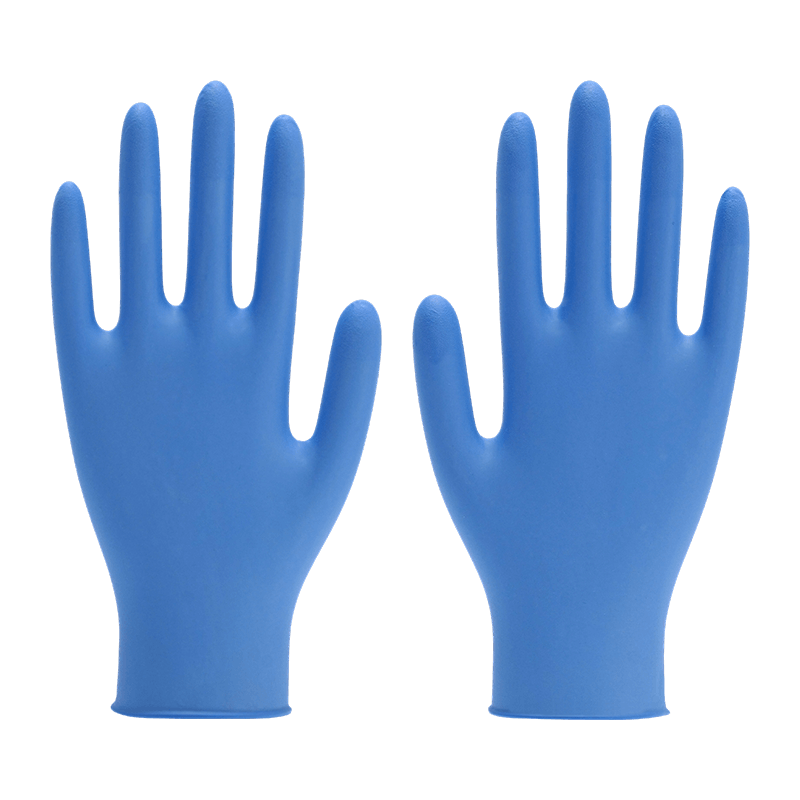
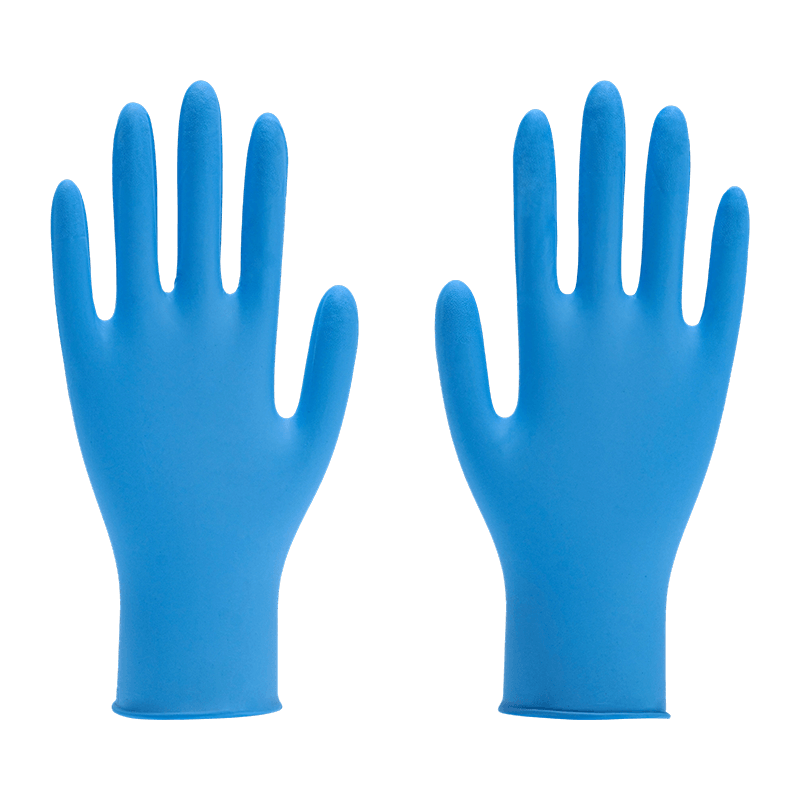
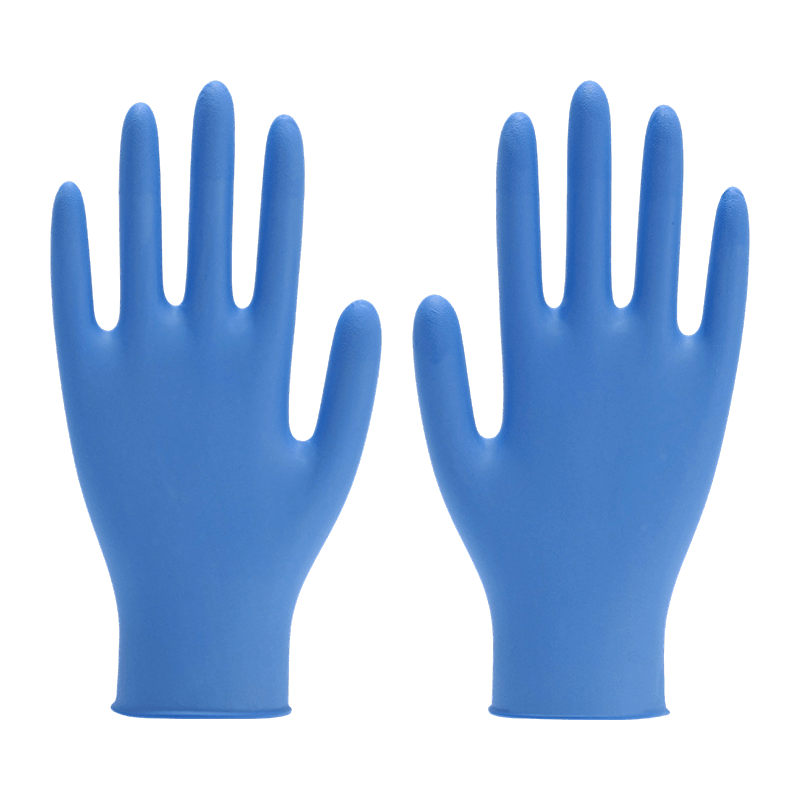
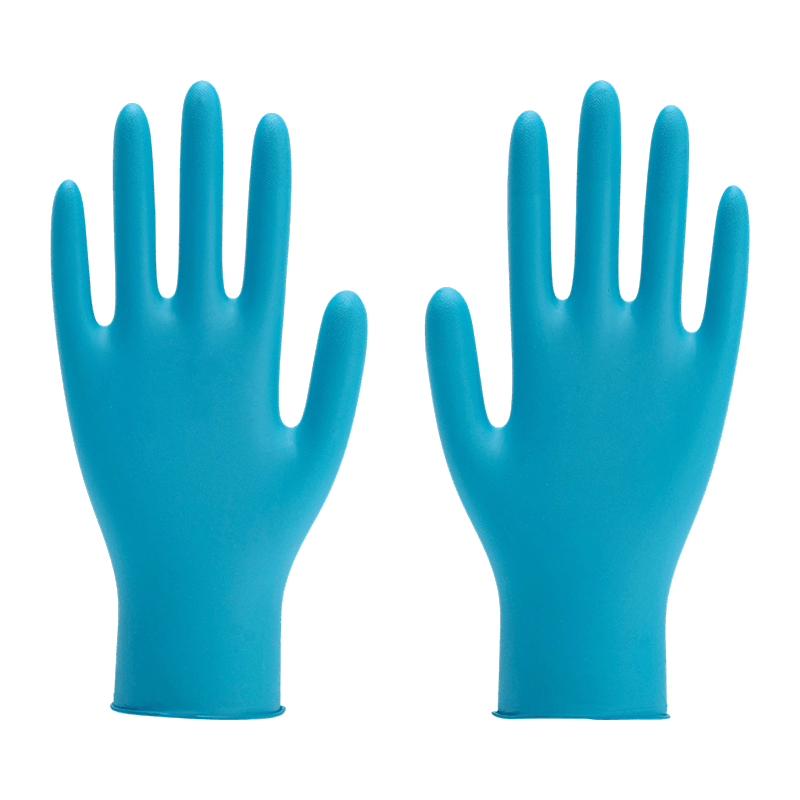


Bottom line first Nitrile gloves are now the dominant choice for medical use across most healthcare settings — offering latex-level barrier protection without allergy risk, broader chemical resista...
READ MORE
News Category
Product Category
The Ultimate Buyer's Guide to Nitrile Gloves: Types, Thickness & Best Uses
If you need disposable gloves that are durable, latex-free, and resistant to a wide range of chemicals and punctures, nitrile gloves are the best all-around choice for the majority of medical, industrial, and food-handling applications. They outperform latex in chemical resistance and vinyl in durability — and they're safe for people with latex allergies. This guide walks you through every key decision: glove type, mil thickness, chemical resistance, sizing, certifications, and where each type performs best, so you can buy the right glove the first time.
What Are Nitrile Gloves Made Of?
Nitrile gloves are made from acrylonitrile-butadiene rubber (NBR), a synthetic copolymer produced by combining acrylonitrile and butadiene monomers. Unlike natural rubber latex, nitrile contains no latex proteins — making it the preferred choice for anyone with a latex allergy or sensitivity, which affects an estimated 1–6% of the general population and up to 17% of healthcare workers who are repeatedly exposed to latex.
The ratio of acrylonitrile to butadiene in the formulation directly affects glove performance. A higher acrylonitrile content improves chemical resistance and reduces permeation rates; a higher butadiene content improves elasticity and tactile sensitivity. Manufacturers tune this ratio depending on the intended application — exam-grade gloves prioritize flexibility, while heavy industrial gloves prioritize chemical barrier performance.
Most nitrile gloves are also powder-free today, as cornstarch powder — once used to ease donning — was found to carry allergens and interfere with wound healing. The FDA banned powdered surgeon's gloves and powdered patient examination gloves in the United States in 2017.
Nitrile vs. Latex vs. Vinyl: Which Glove Material Is Right for You?
Before diving into nitrile specifics, it helps to understand how nitrile stacks up against the two other common disposable glove materials:
| Feature | Nitrile | Latex | Vinyl |
|---|---|---|---|
| Latex-free | Yes | No | Yes |
| Chemical Resistance | Excellent | Good | Poor |
| Puncture Resistance | Excellent | Good | Fair |
| Tactile Sensitivity | Very Good | Excellent | Fair |
| Elasticity / Fit | Very Good | Excellent | Poor |
| Shelf Life | 3–5 years | 3–5 years | 3–5 years |
| Cost (per 100 gloves) | $$ | $$ | $ |
| Best Use Case | Medical, chemical, industrial | Surgery, dental | Light food handling, low-risk tasks |
Bottom line: nitrile wins on chemical and puncture resistance, latex wins on fit and tactile sensitivity, vinyl wins only on price. For any task involving chemicals, blood-borne pathogens, or extended wear, nitrile is the clear choice. Vinyl is acceptable only for brief, low-risk food-handling tasks where barrier integrity is not critical.
Nitrile Glove Thickness: Understanding the Mil Rating
Glove thickness is measured in mils (1 mil = 0.001 inch = 0.0254 mm). This single number has the biggest impact on protection level, dexterity, and cost. Thicker gloves provide better puncture and chemical resistance; thinner gloves offer better tactile feel and are more economical for high-volume use.
| Thickness Range | Category | Typical Applications | Dexterity |
|---|---|---|---|
| 2–3 mil | Ultra-thin / exam | Medical exams, lab work, food prep | Excellent |
| 4–5 mil | Standard / general purpose | Healthcare, cleaning, tattoo, automotive | Good |
| 6–8 mil | Heavy-duty | Chemical handling, janitorial, mechanics | Moderate |
| 8–15 mil | Industrial / extended cuff | Solvent handling, hazmat, lab chemical work | Limited |
Where Thickness Is Measured Matters
Manufacturers typically report thickness at the palm, finger, or cuff — and these numbers can differ significantly on the same glove. A glove marketed as "5 mil" may measure 5 mil at the palm but only 3.5 mil at the fingertips, where most punctures and permeation occur. Always ask for the finger-tip thickness measurement when chemical or puncture protection is critical. Reputable brands publish multi-point thickness data in their product specifications.
Thicker Is Not Always Better
A surgeon or lab technician handling small instruments needs maximum tactile feedback — a 3-mil glove is appropriate. A mechanic using brake cleaner needs maximum chemical resistance — an 8-mil glove makes sense even at the cost of dexterity. Matching thickness to the specific task reduces hand fatigue, errors, and cost. Using an 8-mil glove for a routine patient exam wastes money and reduces fine motor control unnecessarily.
Types of Nitrile Gloves: A Complete Breakdown
Nitrile gloves are not one-size-fits-all. They are manufactured in distinct categories, each engineered for a different set of demands.
Examination (Exam) Gloves
These are the most common nitrile gloves on the market. They are designed for single-use patient examination and diagnostic procedures. In the United States, exam gloves must meet FDA 21 CFR Part 880.6250 requirements, which include testing for acceptable quality level (AQL) of 1.5 or lower — meaning no more than 1.5 defective gloves per 100 in a standard batch test. They are typically 3–5 mil thick and come in ambidextrous designs to reduce inventory complexity.
Surgical Gloves
Surgical nitrile gloves are held to a higher standard than exam gloves. They require an AQL of 1.0 or lower (stricter defect rate), are anatomically shaped (left- and right-hand specific), and are sterile. They are also longer — typically extending 11–12 inches from fingertip to cuff, compared to 9–10 inches for standard exam gloves. Thickness is usually 5–7 mil to balance protection with the fine dexterity required in the operating room.
Industrial Nitrile Gloves
Industrial-grade nitrile gloves are not cleared for medical use but are built for chemical handling, mechanical work, and hazardous material environments. They tend to be 6–15 mil thick, often feature textured fingertips or full-texture surfaces for grip, and may have extended 12-inch or 15-inch cuffs for forearm protection. They are regulated under OSHA's Personal Protective Equipment standards (29 CFR 1910.138) rather than FDA medical device rules.
Food-Safe Nitrile Gloves
For food contact, nitrile gloves must comply with FDA 21 CFR Part 177.2600, which governs rubber articles intended for repeated food contact. These gloves are formulated without harmful plasticizers or accelerators that could migrate into food. Many food-service operations specifically use blue or purple nitrile gloves so that any dropped or torn glove is immediately visible during food inspection — a simple but effective contamination-control measure.
Chemo-Rated Nitrile Gloves
Oncology and pharmacy compounding environments require gloves tested specifically against chemotherapy drugs. ASTM D6978 is the standard test method for resistance of gloves to permeation by chemotherapy drugs. Not all nitrile gloves pass this test — only those specifically tested and labeled as "chemo-rated" or "chemotherapy-tested" should be used when handling cytotoxic agents. These are typically 6–8 mil and must be double-glouted for extended procedures per USP <800> guidelines.
Accelerator-Free Nitrile Gloves
Standard nitrile gloves use chemical accelerators (thiurams, dithiocarbamates, mercaptobenzothiazoles) during vulcanization. In some users, these accelerators cause Type IV delayed hypersensitivity reactions — a form of contact dermatitis distinct from the Type I latex allergy. Accelerator-free nitrile gloves are manufactured using alternative vulcanization processes and are the correct choice for healthcare workers who develop skin reactions even to standard nitrile gloves. Brands like Ansell Gammex and Microflex Supreno EC offer certified accelerator-free options.
Chemical Resistance: What Nitrile Gloves Protect Against
Nitrile's strongest advantage over latex and vinyl is chemical resistance — but this resistance is not universal. Nitrile performs well against oils, fuels, most acids, and many solvents, but degrades rapidly when exposed to ketones, strong oxidizers, and aromatic hydrocarbons.
| Chemical Category | Examples | Nitrile Resistance |
|---|---|---|
| Petroleum-based oils & fuels | Motor oil, diesel, gasoline | Excellent |
| Dilute acids | Sulfuric acid (<70%), hydrochloric acid | Good to Excellent |
| Dilute bases / alkalis | Sodium hydroxide, bleach solutions | Good |
| Alcohols | Isopropanol, ethanol, methanol | Good (short-term) |
| Blood & bodily fluids | Blood, urine, saliva | Excellent |
| Ketones | Acetone, MEK (methyl ethyl ketone) | Poor — degrades rapidly |
| Aromatic hydrocarbons | Benzene, toluene, xylene | Poor — permeation risk |
| Chlorinated solvents | Methylene chloride, TCE | Poor |
| Concentrated oxidizing acids | Concentrated nitric acid, fuming H₂SO₄ | Limited — use with caution |
Chemical resistance data is measured in two ways: degradation (does the glove lose physical integrity?) and permeation (does the chemical pass through the glove material at a molecular level, even without visible damage?). Permeation is the more dangerous failure mode — you may not notice it happening. Always consult the manufacturer's chemical resistance chart and look for permeation breakthrough time data (measured in minutes), not just degradation ratings.
Nitrile Glove Certifications and Standards to Know
Certifications tell you that a glove has been independently tested to meet minimum performance thresholds. Buying uncertified gloves is a risk — especially in regulated industries. Here are the key standards:
- ASTM D6319: Standard specification for nitrile examination gloves for medical application (US). Sets requirements for dimensions, tensile strength, elongation, and AQL defect rates.
- ASTM D6977: Standard specification for polychloroprene and nitrile surgical gloves. Higher performance requirements than exam gloves, including sterility and stricter AQL of 1.0.
- ASTM D6978: Standard practice for assessment of resistance of medical gloves to permeation by chemotherapy drugs. Required for chemo-rated gloves.
- EN 374: European standard for protective gloves against chemicals and micro-organisms. Includes EN 374-1 (terminology), EN 374-2 (penetration resistance), EN 374-3 (permeation resistance), and EN 374-5 (terminology and performance for micro-organisms).
- EN 455: European standard for medical gloves for single use, covering freedom from holes, physical properties, biological evaluation, and shelf life.
- FDA 510(k) Clearance: US medical exam and surgical gloves must be 510(k)-cleared by the FDA, confirming they are substantially equivalent to a legally marketed predicate device.
- CE Marking (EU MDR): Required for medical gloves sold in the European Union under the EU Medical Device Regulation (2017/745).
- OSHA 29 CFR 1910.138: US workplace standard requiring employers to provide appropriate hand protection based on hazard assessment — relevant for industrial nitrile glove selection.
For medical use in the US, always verify FDA 510(k) clearance. For chemical protection in Europe, confirm EN 374 classification and the specific chemicals tested. A glove with EN 374-3 Type B classification has passed permeation testing against at least 3 of 18 standard test chemicals; Type C has passed against 6 or more.
Best Uses for Nitrile Gloves by Industry
Understanding the right glove for your specific environment prevents both under-protection and unnecessary expense. Here's how nitrile gloves are best applied across key sectors:
Healthcare and Medical Settings
Nitrile has largely replaced latex as the dominant glove material in hospitals and clinics. The shift accelerated after studies found that latex allergy was responsible for up to 10% of all intraoperative anaphylaxis events. Standard exam gloves (3–5 mil, AQL 1.5) are appropriate for routine patient contact, blood draws, and wound dressing. For surgical procedures, sterile nitrile surgical gloves (AQL 1.0) are used. Double-gloving is standard protocol in high-risk procedures — studies show double-gloving reduces inner glove perforation rates by up to 87%.
Laboratory and Research Environments
Labs handling biological samples, reagents, and moderate-concentration chemicals benefit from 4–6 mil nitrile exam gloves. For work involving organic solvents, cytotoxic compounds, or carcinogens, heavier industrial-grade nitrile (8–15 mil) may be more appropriate. Note: no single-use disposable glove — nitrile or otherwise — provides long-term protection against highly toxic chemicals like concentrated HF (hydrofluoric acid); thicker, purpose-built chemical resistant gloves are required. Always consult your institution's chemical hygiene plan.
Automotive and Mechanical Work
Mechanics have widely adopted nitrile gloves because nitrile resists motor oil, brake fluid, gasoline, and transmission fluid far better than latex or vinyl. A 6–8 mil black nitrile glove is the industry standard for automotive work — the black color hides grease and oil, making them practical for extended use during a repair shift. Textured fingertips improve grip on bolts and small parts even when hands are oily.
Food Handling and Food Service
FDA-compliant, food-safe nitrile gloves (3–5 mil) are appropriate for food preparation, slicing, packaging, and catering. Blue or purple gloves are strongly preferred in commercial kitchens and HACCP-regulated facilities because they are easily detected by visual inspection and metal detection systems if a torn glove fragment enters the food supply — a requirement under many food safety protocols. Gloves should be changed every 20–30 minutes during continuous food handling, or immediately after touching non-food surfaces.
Tattoo and Body Art
Tattoo artists typically use black 4–6 mil nitrile exam gloves, changing gloves frequently during sessions. Nitrile's resistance to blood-borne pathogens and inks makes it the preferred material in this industry. Many artists double-glove to extend between changes and maintain a sterile field. The ambidextrous design allows quick one-handed donning.
Janitorial and Cleaning Services
Housekeeping and janitorial staff are regularly exposed to bleach-based cleaners, disinfectants, and detergents. 6–8 mil nitrile gloves with extended cuffs provide the best balance of chemical protection and durability for these tasks. For heavy restroom cleaning with concentrated disinfectants, look for gloves with EN 374-3 chemical permeation certification for the specific cleaners in your facility.
How to Choose the Right Glove Size
An ill-fitting glove is more than uncomfortable — it reduces dexterity, increases hand fatigue, and raises the risk of tearing. Most nitrile gloves come in XS, S, M, L, and XL, with some brands offering XXL. To find your size:
- Measure the circumference of your dominant hand at the widest point (across the knuckles, excluding the thumb) using a flexible tape measure.
- Note your measurement in inches or centimeters.
- Match to the manufacturer's size chart — sizing varies by brand.
| Glove Size | Hand Circumference (inches) | Hand Circumference (cm) |
|---|---|---|
| XS | 6.0 – 6.5" | 15 – 16.5 cm |
| S | 6.5 – 7.0" | 16.5 – 17.8 cm |
| M | 7.0 – 8.0" | 17.8 – 20.3 cm |
| L | 8.0 – 9.0" | 20.3 – 22.9 cm |
| XL | 9.0 – 10.0" | 22.9 – 25.4 cm |
| XXL | 10.0"+" | 25.4 cm+ |
If you're between sizes, size down for tasks requiring fine dexterity (surgery, lab pipetting) and size up for tasks requiring comfort during extended wear (cleaning, food prep). A well-fitting glove should feel snug across the palm with no excess material bunching at the fingertips.
Powdered vs. Powder-Free Nitrile Gloves
For medical and food applications, always choose powder-free nitrile gloves. Powdered gloves use cornstarch to ease donning, but the powder carries several significant drawbacks:
- Powder can carry latex allergens into the air, causing respiratory reactions in sensitized individuals — even from latex-free gloves if facilities also use powdered latex gloves.
- Powder interferes with wound healing and has been associated with post-surgical adhesions and granulomas.
- In food environments, cornstarch contamination of food products is a quality and regulatory issue.
- The FDA banned powdered surgeon's gloves and powdered patient examination gloves in January 2017, citing "unreasonable and substantial risk of illness or injury."
Powder-free nitrile gloves achieve easy donning through polymer inner coatings (typically polyurethane or hydrogel) or chlorination of the glove interior during manufacturing. These donning aids have no known health concerns at the levels used in glove production.
Buying Nitrile Gloves in Bulk: What to Check Before You Order
Whether you're purchasing for a hospital, restaurant chain, or industrial facility, bulk ordering requires due diligence beyond just comparing price per box. Here's what experienced procurement teams verify before placing large orders:
Request the Product's FDA Registration and 510(k) Number
For any glove intended for medical use, confirm the 510(k) clearance number on the FDA's public database at accessdata.fda.gov. During the COVID-19 pandemic, counterfeit and non-compliant medical gloves flooded global supply chains — the FDA issued import alerts for multiple manufacturers whose gloves failed quality testing. A legitimate 510(k) number is a basic filter for non-compliance.
Verify the Country of Manufacture and Factory Audits
Over 60% of the world's disposable gloves are manufactured in Malaysia, with significant production in Thailand, Vietnam, and China. Manufacturing quality varies widely between facilities. Ask for ISO 13485 certification (quality management for medical devices) for the specific factory producing your gloves — not just the brand's head office. Third-party audit reports (SGS, Bureau Veritas) add another layer of assurance.
Request Lot-Specific Test Reports (CoA)
A Certificate of Analysis (CoA) from the manufacturer should accompany each production lot, documenting actual test results for tensile strength, elongation at break, AQL sampling results, and dimensions. Reputable manufacturers provide CoAs routinely; reluctance to share them is a red flag. For chemical-resistant industrial gloves, also request permeation test data for the chemicals relevant to your workplace.
Understand Shelf Life and Storage Requirements
Most nitrile gloves have a shelf life of 3–5 years from date of manufacture when stored correctly. Correct storage means: temperature between 50–77°F (10–25°C), relative humidity below 75%, away from UV light and ozone sources (fluorescent lights produce trace ozone over time), and stored flat — not stacked under heavy weight. Buying three years' supply at once may save money per unit but risks glove degradation if storage conditions are not maintained.
Common Mistakes When Using Nitrile Gloves
Even high-quality nitrile gloves fail to protect when used incorrectly. These are the most frequently observed errors:
- Wearing gloves too long: Gloves accumulate contamination on the outer surface. In medical settings, gloves should be changed between patients and when torn or visibly contaminated. In chemical environments, change based on the manufacturer's recommended maximum wear time for the specific chemical.
- Not inspecting gloves before donning: Check for pinholes, tears, or discoloration before putting on any disposable glove — especially from newly opened boxes where manufacturing defects are occasionally present.
- Assuming nitrile gloves protect against all chemicals: As shown in the chemical resistance table above, nitrile degrades rapidly in acetone, benzene, and chlorinated solvents. Using the wrong glove for a chemical task can be more dangerous than no glove, because a false sense of protection delays reaction to chemical contact.
- Improper doffing (glove removal): Incorrect removal technique contaminates the bare hand with the contaminated outer surface. The correct technique: pinch the outside of one glove near the wrist and peel it off without touching the skin, then slide fingers inside the cuff of the remaining glove and peel it off inside-out. Dispose of both without touching outer surfaces.
- Using the wrong thickness: Deploying exam-grade 3-mil gloves in a chemical handling environment, or using heavy 10-mil industrial gloves for precision lab work — both compromise either safety or performance.
- Skipping hand hygiene: Gloves do not replace handwashing. Hand hygiene should be performed before donning and after doffing gloves. The warm, moist environment inside a glove accelerates bacterial growth on the skin surface.
Quick-Reference Summary: Choosing the Right Nitrile Glove
Use this decision framework to narrow down the right nitrile glove for your application before requesting samples or placing orders:
| Application | Glove Type | Recommended Thickness | Key Certification |
|---|---|---|---|
| Patient examination | Medical exam | 3–5 mil | FDA 510(k), ASTM D6319 |
| Surgical procedures | Sterile surgical | 5–7 mil | FDA 510(k), ASTM D6977, AQL 1.0 |
| Chemotherapy handling | Chemo-rated | 6–8 mil | ASTM D6978 |
| Food preparation | Food-safe exam | 3–5 mil | FDA 21 CFR 177.2600 |
| Automotive / mechanics | Industrial | 6–8 mil | OSHA 29 CFR 1910.138 |
| Chemical lab work | Industrial / heavy-duty | 8–15 mil | EN 374-3 (EU) / permeation data |
| Tattoo / body art | Medical exam | 4–6 mil | FDA 510(k) |
| Janitorial / cleaning | Industrial, extended cuff | 6–8 mil | EN 374 (EU) / chemical data sheet |
Featured Products
Recommended Products
News
-
-
A hospital buyer, a plant supervisor, and a food processing manager can all type the same two words into a search engine—nitrile gloves—and each need a different product at the end of it. The materia...
READ MORE -
Few questions reach our team as often as this one: how long do nitrile gloves actually last? As a manufacturer of medical examination gloves, we speak with purchasing managers every week who want a c...
READ MORE -
Choosing the right nitrile glove size does not have to feel like guesswork. In our years of producing examination, industrial, food-grade, and biosafety nitrile gloves, we have seen many buyers ask t...
READ MORE
Get A Free
Custom Quote!
Custom Quote!

We are committed to providing integrated solutions for nitrile gloves and non-woven products.
Get a Quote
Disposable Gloves
Quick Links
E-mail
gatherlucky-sales5@nt-huifu.com
Call Us
+86-18012229099
+86-18012229096
+86-18012229099
AddressNo.7 Wenzhou Road,Economic Development Zone,Shuyang County,Suqian, Jiangsu Province, China, 223600
copyright © Jiangsu Complete Sincerity Medical New Materials Co.,Ltd. All rights reserved.
 Registration Number: 2021200 / 2021200
This website is intended for users outside of China