
 English
 Español
 日本語
日本語 русский
Every shift, a single clinician can go through a dozen or more pairs of medical nitrile gloves while moving from patient exams to wound care to IV adjustments. Behind those individual pairs sits a pr...
READ MORE
News Category
Product Category
What Are Nitrile Gloves Used For in Medical, Industrial, Food, and Biosafety Protection?
Why Nitrile Gloves Dominate Every Disposable Glove Market
Nitrile Gloves have become the dominant disposable glove material globally across medical, industrial, food, and biosafety applications because they are the only single material that simultaneously provides latex-free allergy safety, superior chemical and puncture resistance, adequate tensile strength for demanding applications, and acceptable dexterity for precision tasks. No other disposable glove material combines all four properties at competitive cost, which explains why nitrile has displaced natural rubber latex as the preferred glove material in hospital examination rooms, pharmaceutical manufacturing, food processing facilities, and biosafety laboratories across six continents.
However, Nitrile Gloves are not a single uniform product. The same base material is manufactured to dramatically different specifications across its four primary application categories:
- Nitrile Gloves For Medical Use must meet FDA 510(k) clearance (US), CE marking under EU MDR 2017/745 (Europe), or equivalent national regulatory approval. They are tested for Acceptable Quality Level (AQL) pin hole defects, biocompatibility, and sterile options are available for surgical use.
- Nitrile Gloves For Industrial Use are specified by chemical resistance, thickness, and EN 374 or ASTM chemical permeation resistance ratings rather than medical regulatory standards. They are typically thicker and more durable than medical examination gloves.
- Nitrile Gloves For Food must comply with food contact material regulations (FDA 21 CFR 177.2600 in the US, EU Regulation 10/2011 in Europe) and must be free from food-unsafe additives. Color is a critical selection factor for contamination detection.
- Nitrile Gloves For Biosafety Protection serve laboratory and infectious agent handling environments where a combination of virus and bacteria barrier integrity, chemical resistance to laboratory disinfectants, and absence of powder that could contaminate sensitive equipment are the primary specifications.
Selecting the wrong specification of Nitrile Gloves for an application creates compliance risks, safety gaps, and potentially serious harm to workers, patients, consumers, and experimental integrity. The sections below provide the specific technical and regulatory guidance needed for correct selection in each category.
Nitrile Gloves: Material Science and Why They Outperform Latex and Vinyl
Nitrile rubber (technically acrylonitrile-butadiene rubber, or NBR) is a synthetic copolymer produced by polymerizing acrylonitrile and butadiene monomers in varying ratios. The ratio of acrylonitrile to butadiene in the copolymer determines the balance of key properties: higher acrylonitrile content increases oil and chemical resistance but reduces flexibility at low temperatures; higher butadiene content improves flexibility and low-temperature performance but reduces chemical resistance. Commercial Nitrile Gloves are produced from copolymers with approximately 25% to 40% acrylonitrile content, balanced to provide both acceptable chemical resistance and adequate flexibility for glove use.
Key Material Advantages of Nitrile Over Latex
- No latex protein allergens: Natural rubber latex contains proteins that cause Type I IgE-mediated hypersensitivity reactions in sensitized individuals. Latex allergy affects approximately 1% to 6% of the general population and 8% to 17% of healthcare workers with regular latex exposure. Nitrile Gloves contain no natural rubber proteins and do not cause latex allergy reactions, making them safe for both latex-allergic users and for use on latex-allergic patients in medical settings.
- Superior puncture resistance: Nitrile rubber has higher puncture resistance than natural rubber latex of equivalent thickness. In standardized puncture resistance testing, nitrile consistently outperforms latex when tested against hypodermic needles and other sharp-tipped hazards, though no disposable glove provides reliable protection against suture needle punctures or sharp scalpel contact.
- Better chemical resistance profile: Nitrile provides superior resistance to petroleum-based products, oils, greases, and many solvents compared to natural rubber latex, which swells and degrades rapidly in hydrocarbon environments. This makes Nitrile Gloves For Industrial Use appropriate for tasks involving oil, lubricants, automotive fluids, and many organic chemicals where latex gloves would fail rapidly.
- Greater durability and aging resistance: Nitrile rubber is more resistant to ozone, UV degradation, and aging than natural rubber latex. Nitrile Gloves maintain their mechanical properties for longer shelf lives (typically 3 to 5 years when stored correctly, compared to 2 to 3 years for latex) and show less degradation from temperature cycling during storage.
Nitrile vs Vinyl vs Latex: The Disposable Glove Comparison
| Property | Nitrile Gloves | Natural Rubber Latex | Vinyl (PVC) |
|---|---|---|---|
| Latex allergy safety | Yes (latex-free) | No (contains latex proteins) | Yes (latex-free) |
| Puncture resistance | Excellent | Good | Poor |
| Chemical resistance (oils, solvents) | Excellent | Moderate | Poor to moderate |
| Tactile sensitivity and fit | Good to excellent | Excellent | Moderate |
| Virus and bacteria barrier | Excellent | Excellent | Moderate (more microholes) |
| Purchase cost | Moderate to higher | Moderate | Lowest |
| Environmental impact | Moderate (synthetic polymer) | Better (natural rubber) | Poor (PVC, plasticizers) |
Nitrile Gloves For Medical Use: Regulatory Requirements and Clinical Specifications
Nitrile Gloves For Medical Use operate within one of the most strictly regulated product categories in global commerce because their failure during medical procedures directly threatens patient and healthcare worker safety. The regulatory requirements for medical nitrile gloves go substantially beyond the basic material and performance specifications of industrial or food-grade nitrile gloves, and buyers must verify that medical-use gloves carry the correct regulatory clearance for their specific market and clinical application.
FDA Requirements for Nitrile Gloves For Medical Use in the United States
In the United States, Nitrile Gloves For Medical Use are regulated as Class II medical devices by the FDA. Two distinct categories exist under FDA regulation, each with its own performance standard:
- Medical examination gloves (FDA 21 CFR 880.6250): Intended for use during medical examinations and diagnostic procedures to prevent cross-contamination between patients and healthcare workers. Must comply with ASTM D6978 (Standard Practice for Assessment of Resistance of Medical Gloves to Permeation by Chemotherapy Drugs) and ASTM D6319 (Standard Specification for Nitrile Examination Gloves for Medical Application). The AQL (Acceptable Quality Level) for defects is 1.5 or better, meaning at most 1.5% of gloves in a lot may have detectable pin holes in the watertight integrity test.
- Surgical gloves (FDA 21 CFR 880.6250): Intended for use by surgeons during operative and other procedures. Held to a more stringent AQL of 1.0 or better, require higher tensile strength minimums than examination gloves, and must be available in sterile packaging. Surgical nitrile gloves are also available with additional puncture resistance features for procedures with high needlestick risk.
Nitrile Gloves For Medical Use in the US must carry 510(k) clearance from the FDA before they can be legally marketed as medical devices. Products without 510(k) clearance cannot be sold for medical use regardless of their material quality or performance characteristics. Buyers should verify FDA clearance by checking the FDA's 510(k) database (accessible at fda.gov) using the device name or the manufacturer's 510(k) number printed on the box.
European Union Requirements Under EU MDR 2017/745
In the European Union, Nitrile Gloves For Medical Use are classified as Class I medical devices (examination gloves) or Class II (sterile examination and surgical gloves) under EU Medical Device Regulation 2017/745. CE marking under this regulation is required for legal marketing. Gloves must meet EN 455 Parts 1 through 4 (Medical Gloves for Single Use), which cover freedom from holes, physical properties, biological evaluation, and shelf life. The EN 455 series AQL requirement is 1.5 for examination gloves and 1.0 for surgical gloves, aligned with FDA requirements, though the specific test methods and sampling plans may differ in detail.
Thickness and Strength Specifications for Medical Nitrile Gloves
Thickness is a frequently cited but often misunderstood specification for Nitrile Gloves For Medical Use. Minimum thickness requirements under ASTM D6319 are 0.076 mm at the palm and 0.051 mm at the fingers (the fingers are thinner than the palm in most glove designs because fingers require greater flexibility). Premium medical examination gloves at 0.10 to 0.15 mm palm thickness provide greater durability and puncture resistance than minimum specification products, at the cost of slightly reduced tactile sensitivity. Clinical applications with higher puncture or chemical exposure risk (oncology IV administration, trauma care, chemotherapy preparation) typically specify thicker medical nitrile gloves at 0.15 mm and above.
Nitrile Gloves For Industrial Use: Chemical Resistance, Thickness, and Durability
Nitrile Gloves For Industrial Use serve a fundamentally different purpose than medical or food-contact nitrile gloves. The primary requirements are chemical resistance to the specific substances present in the work environment, sufficient thickness to withstand the mechanical stresses of the task, and durability to maintain protection throughout extended wearing periods. Industrial nitrile gloves are typically 20% to 100% thicker than medical examination gloves, are not required to meet AQL watertight integrity standards designed for pathogen barrier protection, and are specified primarily by EN 374 (Protective gloves against dangerous chemicals and micro-organisms) or equivalent ASTM chemical permeation resistance standards.
Chemical Resistance Ratings for Nitrile Gloves For Industrial Use
EN 374 Part 3 tests the time in minutes before a specific challenge chemical permeates through the glove material at a measurable rate. The breakthrough time is rated in six levels:
- Level 1: Breakthrough time above 10 minutes
- Level 2: Breakthrough time above 30 minutes
- Level 3: Breakthrough time above 60 minutes
- Level 4: Breakthrough time above 120 minutes
- Level 5: Breakthrough time above 240 minutes
- Level 6: Breakthrough time above 480 minutes
Nitrile rubber's chemical resistance profile shows breakthrough times of Level 4 to 6 for most petroleum products, mineral oils, automotive fuels, many aromatic and aliphatic hydrocarbons, and dilute acids and bases. Nitrile performs less well against certain polar solvents including acetone, MEK (methyl ethyl ketone), and strong oxidizing acids like fuming nitric acid, where breakthrough times may be significantly shorter and alternative glove materials (butyl rubber for ketones and aromatic amines; neoprene for oxidizing acids) provide better protection.
Thickness and Application Matching for Nitrile Gloves For Industrial Use
| Glove Thickness | Typical Application | Chemical Resistance Duration | Dexterity Level |
|---|---|---|---|
| 0.08 to 0.12 mm (thin) | Light assembly, cleanroom, electronics | Short (splash contact only) | Excellent |
| 0.12 to 0.18 mm (standard) | General industrial, automotive, maintenance | Moderate (intermittent contact) | Good |
| 0.20 to 0.30 mm (heavy duty) | Chemical handling, solvent exposure, oil production | Extended (sustained contact) | Moderate |
| 0.30 mm and above (extra heavy) | Hazardous chemical immersion, waste handling | Maximum for nitrile (Level 4 to 6) | Reduced |
Nitrile Gloves For Food: Regulatory Compliance, Color Selection, and Food Safety Practices
Nitrile Gloves For Food present a unique set of requirements that differ significantly from both medical and industrial nitrile gloves. The primary concerns are regulatory compliance with food contact material legislation, the absence of food-unsafe additives that could migrate from the glove into food products, and the use of specific colors that allow glove fragments to be detected visually in food production lines if a glove tears during handling.
Regulatory Compliance for Nitrile Gloves For Food
Nitrile Gloves For Food must comply with food contact material regulations in the markets where they are used:
- United States (FDA 21 CFR 177.2600): Rubber articles intended for repeated use in contact with food must comply with 21 CFR 177.2600, which lists permitted rubber ingredients and sets limits for extractable substances. Food contact nitrile gloves must be formulated using only FDA-permitted compounding ingredients without prohibited accelerators or plasticizers that could migrate into food. Single-use nitrile examination gloves with FDA 21 CFR 177.2600 compliance are the correct specification for food handler use.
- European Union (EU Regulation 10/2011): Plastic and rubber articles in contact with food must comply with EU Regulation 10/2011 on plastic materials and articles intended to contact food, and specifically with the overall migration limit (OML) of 10 mg per square decimeter of surface area. Nitrile Gloves For Food in EU markets must carry documentation confirming compliance with this migration limit and with the positive list of permitted substances in Annex I of the regulation.
Color Selection for Nitrile Gloves For Food: The Contamination Detection Imperative
Color selection in Nitrile Gloves For Food is not an aesthetic choice but a food safety control measure directly linked to foreign body contamination management in HACCP (Hazard Analysis and Critical Control Points) systems. If a glove tears during food handling, the fragment must be detectable before the contaminated food product leaves the processing facility:
- Blue nitrile gloves: The most widely specified color for Nitrile Gloves For Food globally because blue is not a naturally occurring color in most foods or agricultural products. Blue fragments are highly visible against virtually all food types including meat, poultry, produce, dairy, and baked goods, making contamination detection practical during visual inspection and compatible with most metal detection and X-ray inspection equipment.
- Violet and purple nitrile gloves: An alternative to blue with similar contamination detection advantages. Used in some food facilities where blue is associated with other facility equipment or zoning that creates visual confusion, and where a clearly distinct color for food handler gloves supports zoning and hygiene control procedures.
- White and clear nitrile gloves: Not recommended for food handling in high-risk production environments because white and clear fragments are indistinguishable from many food products and packaging materials, making contamination detection unreliable. Acceptable for front-of-house food service where single-use glove integrity can be continuously monitored by the user and supervisor.
- Black nitrile gloves: Increasingly popular in food service environments for aesthetic reasons but not appropriate for most food production applications where visual inspection systems rely on color contrast for foreign body detection. Black fragments are invisible in many food products and in colored packaging materials.
Powder-Free Requirement for Nitrile Gloves For Food
Nitrile Gloves For Food must be powder-free. Cornstarch powder used in powdered gloves to facilitate donning and prevent glove interior sticking can contaminate food products with allergenic corn-derived proteins, disrupt food pH and flavor at contact surfaces, and cause visual contamination of food surfaces and equipment. All major food safety standards including SQF (Safe Quality Food), BRC (British Retail Consortium), and IFS (International Featured Standards) prohibit the use of powdered gloves in certified food production facilities. Powder-free Nitrile Gloves For Food coated with a chlorination treatment or polymer coating on the interior surface for donning ease are the universal specification for food contact glove applications.
Nitrile Gloves For Biosafety Protection: Laboratory, Infectious Agent, and Hazardous Biological Material Applications
Nitrile Gloves For Biosafety Protection serve the most technically demanding application category within the nitrile glove range, because the consequences of glove failure in biosafety level (BSL) 2, 3, and 4 laboratory environments can include laboratory-acquired infection with serious or potentially fatal pathogens. The specifications for Nitrile Gloves For Biosafety Protection reflect this consequence severity through requirements that go beyond both medical and industrial glove standards.
Why Nitrile Is Preferred Over Latex for Biosafety Applications
The transition from natural rubber latex to Nitrile Gloves For Biosafety Protection in modern research laboratories has been driven by three converging factors:
- Latex allergy in laboratory personnel: The prevalence of latex allergy among laboratory workers who use gloves for 6 to 8 hours daily has historically been much higher than in the general population. Latex-sensitized laboratory workers cannot safely use latex gloves in any context once sensitized, and the allergy tends to progress in severity with continued exposure. Switching to Nitrile Gloves For Biosafety Protection eliminates ongoing exposure risk for sensitized workers and prevents new sensitization in currently latex-tolerant colleagues.
- Better resistance to laboratory disinfectants: Biosafety laboratory protocols require regular decontamination of gloved hands with 70% isopropanol, 10% bleach solutions, or other biocidal agents while the gloves are worn. Nitrile rubber maintains its structural integrity significantly better than latex under repeated alcohol disinfectant application, with less swelling, degradation, and reduction in barrier properties over the working day.
- Chemical resistance to laboratory reagents: Research laboratories work with formaldehyde, glutaraldehyde, xylene, and other tissue processing and staining chemicals that degrade latex more rapidly than nitrile. Nitrile's superior resistance to these specific chemicals extends glove integrity during tasks involving concurrent chemical and biological hazard exposure.
Biosafety Level Requirements and Nitrile Gloves For Biosafety Protection Specifications
The CDC and NIH biosafety guidelines (Biosafety in Microbiological and Biomedical Laboratories, BMBL 6th Edition) provide glove use guidance by biosafety level:
- BSL-1 (minimal hazard agents): Nitrile examination-grade gloves at standard thickness (0.08 to 0.12 mm) are appropriate for BSL-1 work involving agents not known to cause disease in healthy adults. The primary protection function is contamination prevention rather than infectious agent barrier.
- BSL-2 (moderate hazard, pathogenic agents): Powder-free Nitrile Gloves For Biosafety Protection at 0.10 to 0.15 mm thickness with AQL 1.5 or better are the standard specification for BSL-2 work. Double gloving (two pairs of nitrile gloves worn simultaneously) is recommended for high-risk procedures including centrifugation, sonication, and handling of sharps with potential infectious material contamination.
- BSL-3 (serious or potentially lethal agents, respiratory transmission risk): Double gloving with outer gloves changed more frequently is standard practice. Some BSL-3 protocols specify extended cuff gloves (reaching 8 to 12 inches above the wrist) to prevent gap between gown sleeve and glove during arm movements. Gloves must be removed and hands decontaminated before exiting the BSL-3 laboratory suite.
- BSL-4 (dangerous and exotic agents, high risk of fatal disease): Nitrile Gloves For Biosafety Protection at BSL-4 are used within a positive-pressure suit (space suit) or cabinet line where gloves are permanently integrated into the suit or cabinet, providing a sealed protective envelope rather than individual donned gloves.
Double Gloving in Biosafety Applications
Double gloving, where two pairs of Nitrile Gloves For Biosafety Protection are worn simultaneously with the inner glove beneath the gown cuff and the outer glove over it, provides two distinct safety benefits beyond the redundancy of having two glove layers:
- Indicator system awareness: Using glove indicator systems (a brightly colored inner glove visible when the outer glove is punctured) immediately alerts the worker to outer glove integrity loss without requiring visual inspection between tasks. This real-time alerting is critical in high-concentration BSL-2 and BSL-3 environments where continued work with an unnoticed outer glove puncture represents ongoing exposure risk.
- Contamination-free removal: The standard Doffing sequence for double gloves in biosafety applications allows the contaminated outer gloves to be removed without touching the decontaminated skin with the outer glove exterior surface, followed by hand sanitization before removing the inner glove. This staged removal dramatically reduces the risk of self-contamination during glove removal, which is identified in occupational health research as a frequent mechanism of laboratory-acquired infection even when gloves were worn correctly throughout the work session.
Selecting, Storing, and Disposing of Nitrile Gloves: Practical Guidance Across All Applications
Regardless of application category, several practical guidance principles apply universally to the correct use and management of Nitrile Gloves across medical, industrial, food, and biosafety contexts.
Storage Conditions That Maintain Nitrile Glove Integrity
Nitrile Gloves must be stored in conditions that prevent premature degradation before use:
- Temperature: Store between 10 and 30 degrees Celsius. Temperatures above 38 degrees Celsius accelerate oxidation of the nitrile polymer, reducing tensile strength and elongation before use. Avoid storing near steam pipes, heating elements, or in direct sunlight through windows.
- Humidity: Relative humidity between 40% and 80% is appropriate. Extremely low humidity promotes static charge accumulation that can cause glove cling and handling difficulty; extremely high humidity promotes outer box and packaging degradation that may allow gloves to absorb moisture, affecting donning ease.
- Ozone and UV exposure: Nitrile rubber is susceptible to ozone cracking, which weakens the glove material at the molecular level. Store away from ozone-generating equipment including photocopiers, UV sterilization lamps, electric motors, and welding equipment. Minimize direct UV light exposure by storing boxes in enclosed storage areas rather than on open shelving near windows.
- Shelf life: Most manufacturers specify a 3 to 5 year shelf life from the date of manufacture when stored under correct conditions. Implement FIFO (first in, first out) stock rotation to ensure older stock is used before newer deliveries, preventing product expiry in storage.
Proper Donning and Doffing to Maximize Glove Protective Value
The protective value of Nitrile Gloves depends not only on the glove's material properties but on the technique used to put them on and take them off. Incorrect doffing technique is one of the most common causes of self-contamination in medical, laboratory, and food handling environments:
- Before donning gloves, wash hands thoroughly with soap and water or apply alcohol-based hand rub and allow to dry completely. Donning gloves over wet or damp hands increases the risk of glove tearing and creates a moist environment that promotes bacterial growth between the skin and glove.
- To don, grasp the glove at the cuff, slide the fingers in, and pull the cuff over the wrist. Avoid touching the exterior of the glove with bare skin during donning to prevent contaminating the glove exterior before use.
- To doff after medical, biosafety, or food contact use: grasp the exterior of one glove at the wrist without touching skin, peel the glove inside out away from the hand, hold the removed glove in the remaining gloved hand, slide a bare finger under the inside of the remaining glove at the wrist, and peel it inside out over the first removed glove. The contaminated exterior surfaces are now contained inside the removed gloves, preventing contact with skin or clean surfaces during disposal.
Frequently Asked Questions
1. What are Nitrile Gloves made from and why are they better than latex for most applications?
Nitrile Gloves are made from acrylonitrile-butadiene rubber (NBR), a synthetic copolymer produced by polymerizing acrylonitrile and butadiene. They outperform natural rubber latex for most applications because they contain no latex proteins that cause Type I allergic reactions (affecting 1% to 6% of the general population and 8% to 17% of healthcare workers with regular latex exposure), provide superior resistance to petroleum products, oils, and many organic chemicals, have better puncture resistance, and offer greater aging stability and shelf life. The only area where natural rubber latex traditionally held an advantage was tactile sensitivity, but modern thin-film nitrile formulations have largely eliminated this gap for most clinical and precision applications.
2. Can Nitrile Gloves For Medical Use be used for food handling?
Not necessarily, and the assumption that a medical-grade nitrile glove is automatically safe for food use is incorrect. Nitrile Gloves For Medical Use are formulated and certified for FDA 510(k) medical device requirements or EU MDR compliance, which address different parameters than food contact material safety. Food contact requires compliance with FDA 21 CFR 177.2600 (US) or EU Regulation 10/2011 (Europe), which limit the types of rubber compounding ingredients and migration levels specifically for food safety. Some medical nitrile gloves may satisfy both regulatory requirements, but buyers should verify specific food contact compliance documentation rather than assuming medical clearance implies food safety approval.
3. What is the AQL requirement for Nitrile Gloves For Medical Use and why does it matter?
AQL (Acceptable Quality Level) for Nitrile Gloves For Medical Use refers to the maximum acceptable percentage of gloves in a lot that may have detectable pinholes or integrity defects when tested by the watertight integrity test (filling the glove with a specific volume of water and checking for leakage). AQL 1.5 is required for medical examination gloves, meaning at most 1.5% of gloves in a lot may fail the water test. AQL 1.0 is required for surgical gloves, a more stringent standard. AQL matters because gloves with undetected pinholes provide no barrier protection at the defect location, creating the risk of pathogen transfer in medical procedures. Industrial and general-purpose Nitrile Gloves For Industrial Use are not required to meet medical AQL standards and may have higher defect rates that are acceptable for their non-clinical applications.
4. What color Nitrile Gloves For Food should I use in a food processing facility?
Blue or violet Nitrile Gloves For Food are the standard recommendation for food processing facility use because these colors provide the best visual contrast against virtually all food types, packaging materials, and processing equipment surfaces, enabling effective visual detection of glove fragments if a glove tears during food handling. Blue is particularly widely specified because it is not naturally present in most foods or agricultural raw materials, making blue fragments immediately distinguishable. Black, clear, and white nitrile gloves are not recommended for production environments because fragments of these colors can be indistinguishable from food products or packaging, preventing effective contamination detection during visual quality inspection.
5. What makes Nitrile Gloves For Biosafety Protection different from standard examination gloves?
Nitrile Gloves For Biosafety Protection differ from standard examination gloves in several specifications optimized for laboratory pathogen barrier and chemical resistance requirements. They are typically powder-free to prevent contamination of sensitive biological and chemical samples and equipment. They may be longer in the cuff to prevent gaps between glove and gown sleeve. They are often specified at AQL 1.0 or better for the highest integrity applications. They must maintain integrity under repeated application of laboratory disinfectants (70% isopropanol, dilute bleach) that are used for hand decontamination while gloves are worn. Extended breakthrough time for laboratory chemicals including formaldehyde, glutaraldehyde, and xylene is verified rather than assumed. Some BSL-2 and BSL-3 protocols specify double gloving with indicator inner gloves as a standard procedure that is not typical in routine medical examination use.
6. How thick should Nitrile Gloves For Industrial Use be for chemical handling?
Nitrile Gloves For Industrial Use for chemical handling should be at minimum 0.20 to 0.30 mm thickness for applications involving sustained or immersion contact with industrial chemicals, solvents, and oils. Thinner industrial gloves at 0.12 to 0.18 mm are appropriate for intermittent splash contact but will reach chemical breakthrough faster under sustained exposure because the chemical must permeate through less material thickness before reaching the skin. For the specific chemical families handled, verify the EN 374 breakthrough time at the glove's specific thickness rather than relying on the general nitrile chemical resistance profile, because breakthrough time varies significantly with glove thickness as well as with the specific chemical's permeation rate through nitrile polymer.
7. How long can Nitrile Gloves be worn before they must be changed?
The maximum recommended wear time for Nitrile Gloves depends on the application. In medical settings, gloves are single-use and must be changed between patients and whenever a procedure is completed. In food handling, gloves should be changed every 60 to 90 minutes during continuous food contact tasks, whenever switching between raw and cooked food handling, after handling waste or contaminated materials, and after any break or hand contact with non-food surfaces. In industrial chemical handling, wear time is limited by the EN 374 breakthrough time for the specific chemical at the glove's thickness: do not wear beyond 80% of the tested breakthrough time to maintain an adequate safety margin. Nitrile Gloves For Biosafety Protection in laboratory environments should be changed whenever integrity may have been compromised, when changing between different risk tasks, and at minimum every 2 to 3 hours in sustained contact with biological agents.
8. Are Nitrile Gloves resistant to all chemicals?
No. Nitrile Gloves provide excellent resistance to petroleum products, oils, many aliphatic and aromatic hydrocarbons, and dilute acids and bases, but they are not resistant to all chemicals. Nitrile performs poorly against certain polar solvents including acetone, methyl ethyl ketone (MEK), and tetrahydrofuran (THF), against strong oxidizing acids such as fuming nitric and sulfuric acid, and against some chlorinated solvents. For these chemicals, alternative glove materials including butyl rubber (best for ketones and aromatics), neoprene (better for oxidizing acids), and laminate barrier films (Silvershield or 4H gloves for broad chemical resistance) provide better protection. Always verify the specific chemical resistance of Nitrile Gloves For Industrial Use for the actual chemicals present in the task using the manufacturer's chemical resistance guide and EN 374 breakthrough time data before relying on nitrile as the sole chemical barrier for hazardous substance handling.
9. What does powder-free mean for Nitrile Gloves and why is it important?
Powder-free Nitrile Gloves contain no cornstarch or other powder on either the interior or exterior surface. The powder was historically added to facilitate glove donning and prevent gloves from sticking together in packaging, but it creates problems in medical, food, and biosafety applications: in medical settings, powder can carry latex proteins (even when added to nitrile gloves), contaminate surgical wounds, delay healing, and cause peritoneal and pleural inflammatory reactions if introduced into body cavities; in food applications, powder can contaminate food products with allergens and foreign material; in laboratory settings, powder particles contaminate sensitive biological and chemical samples and research equipment. Powder-free nitrile gloves substitute chlorination treatment or polymer interior coating for donning ease without powder-related contamination. FDA banned powdered surgeon's gloves and powdered patient examination gloves in the US in 2017 specifically due to these documented hazards.
10. What should I check on the packaging to confirm Nitrile Gloves are appropriate for my application?
For medical applications: verify FDA 510(k) clearance number (US) or CE marking with EU MDR 2017/745 conformity declaration (EU) on the box. For food applications: verify compliance with FDA 21 CFR 177.2600 (US) or EU Regulation 10/2011 (EU) and confirm the glove is powder-free and in an appropriate detection color. For industrial chemical applications: verify EN 374 chemical resistance rating and confirm the specific chemical families listed on the breakthrough time chart include the substances you work with. For biosafety applications: verify powder-free construction, AQL 1.0 or 1.5 integrity specification, and confirm the glove meets any additional biosafety level requirements specified in your facility's biosafety manual or institutional biosafety committee guidelines. For all applications, verify that the size markings match your hand measurement and that the expiry or manufacture date indicates the gloves are within their stated shelf life period.
Featured Products
Recommended Products
-
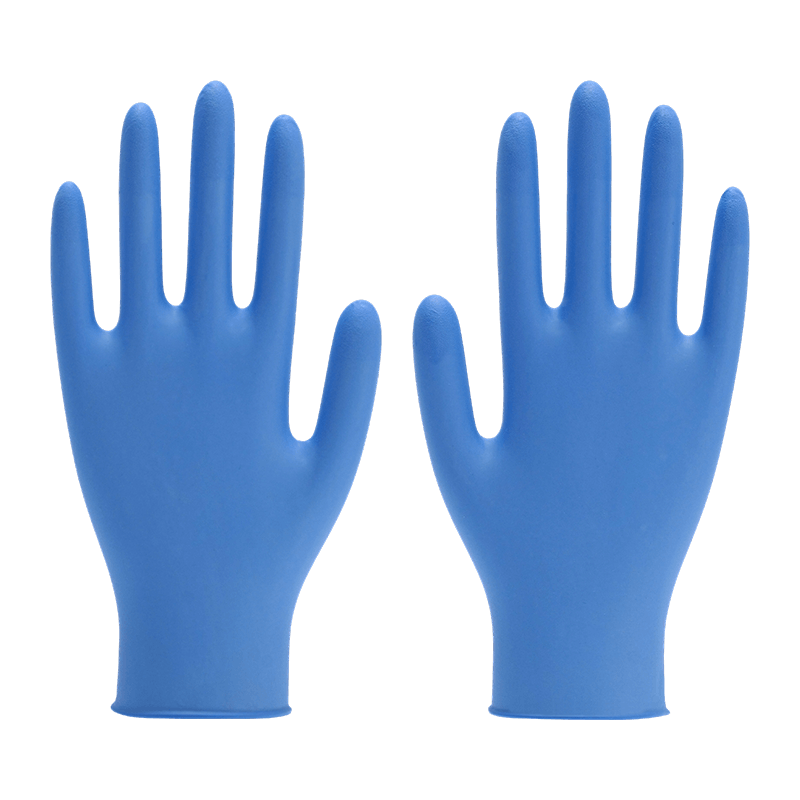 9 inch XS Biosafety Protection Fingertip-Textured Nitrile Gloves
-
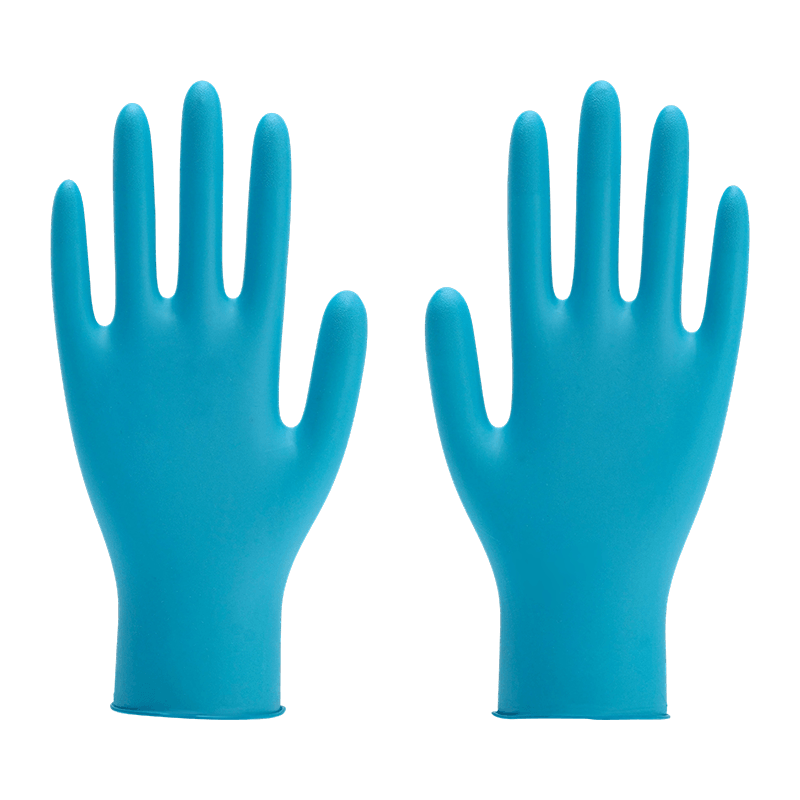 9 inch S Biosafety Protection Powder-Free Nitrile Gloves
-
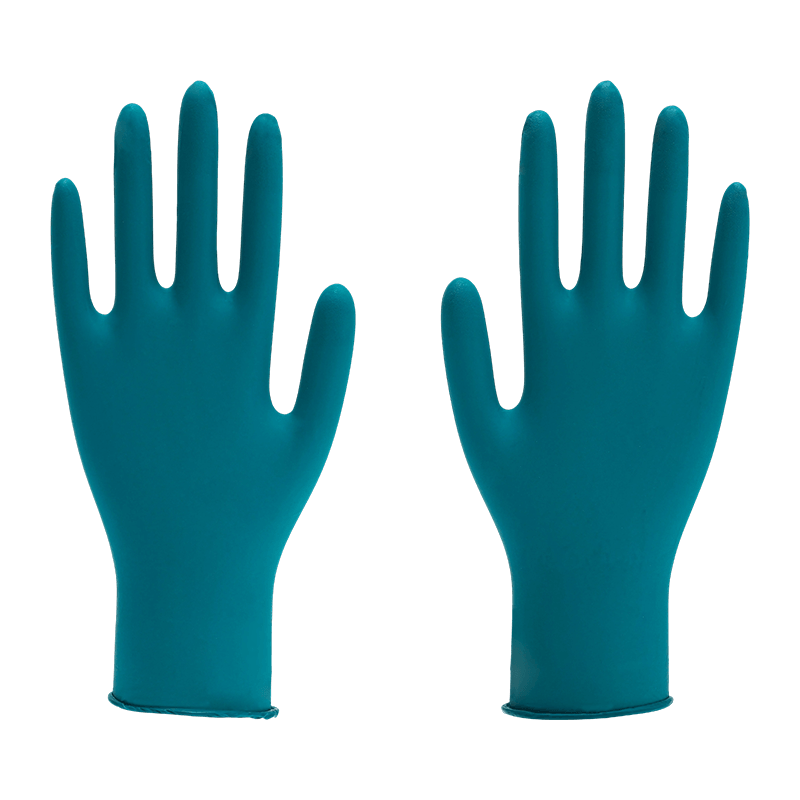 9 inch S Biosafety Protection Fingertip-Textured Nitrile Gloves
-
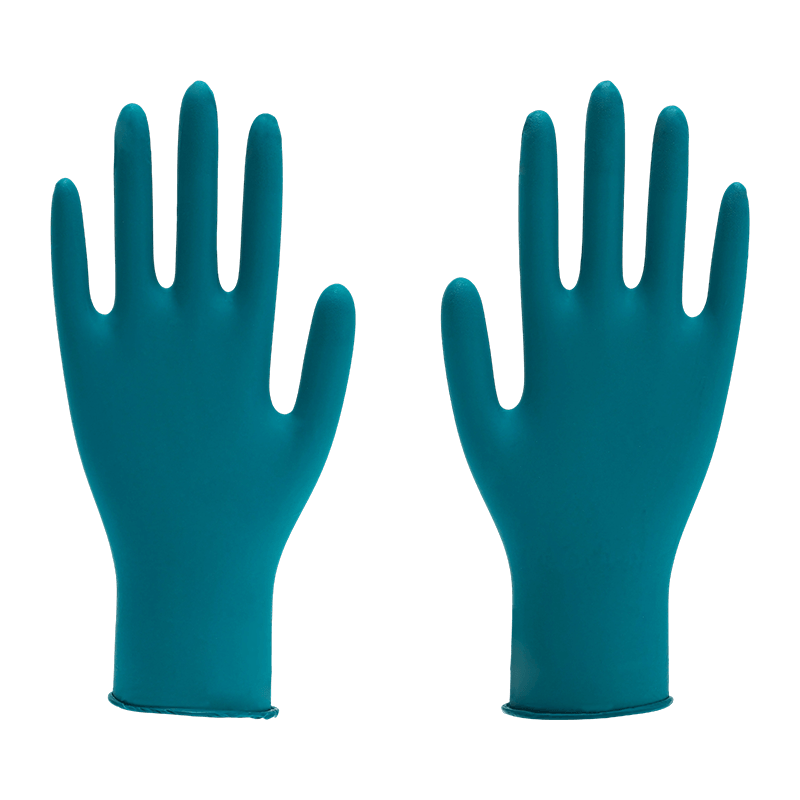 9 inch XXL Biosafety Protection Powdered Nitrile Gloves
-
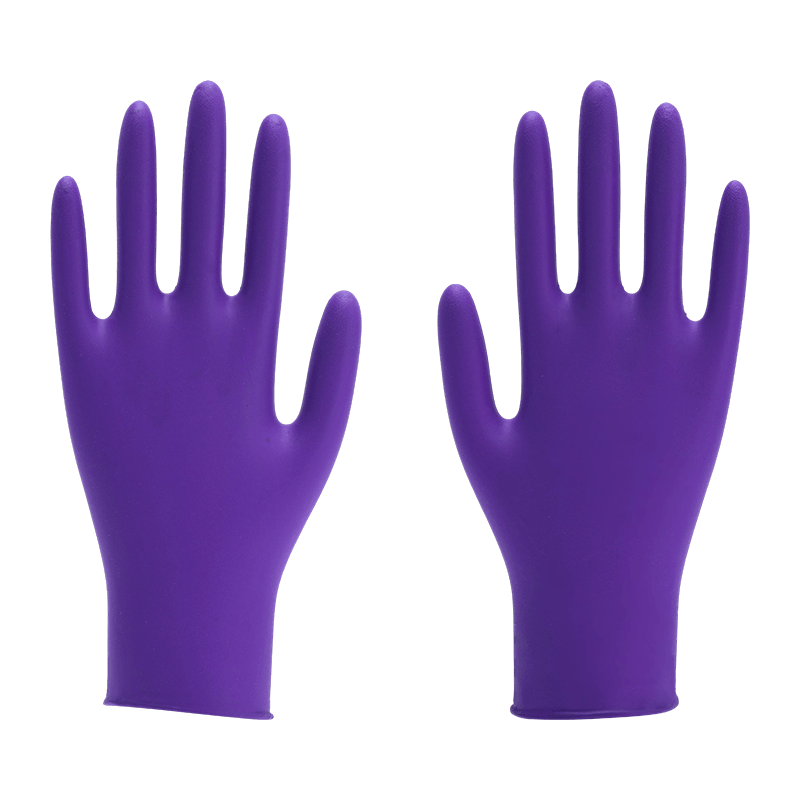 9 inch XL Biosafety Protection Powdered Nitrile Gloves
-
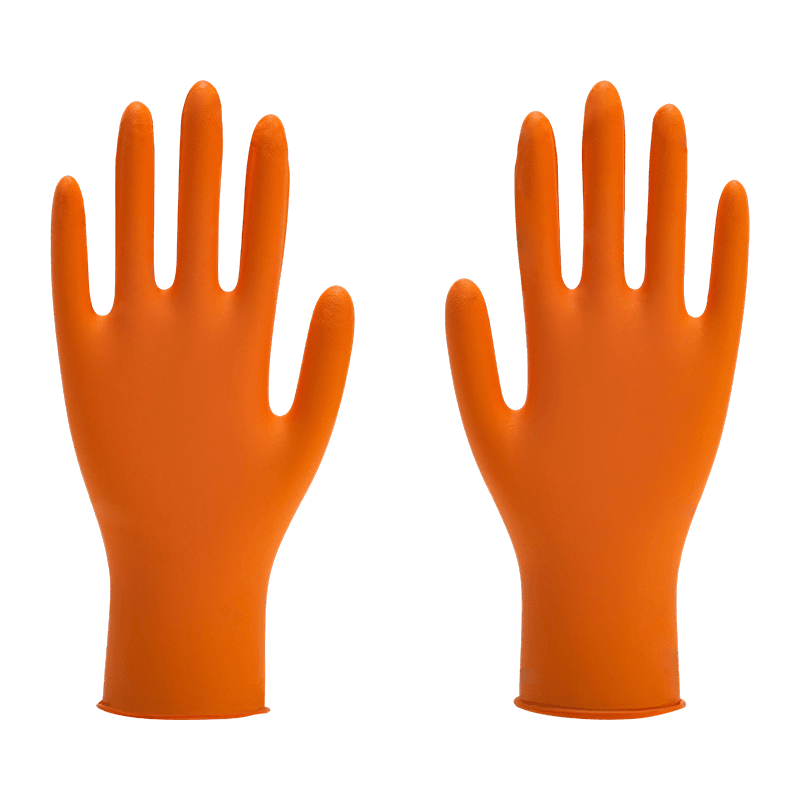 9 inch L Biosafety Protection Powdered Nitrile Gloves
News
-
-
A hospital buyer, a plant supervisor, and a food processing manager can all type the same two words into a search engine—nitrile gloves—and each need a different product at the end of it. The materia...
READ MORE -
Bottom line first Nitrile gloves are now the dominant choice for medical use across most healthcare settings — offering latex-level barrier protection without allergy risk, broader chemical resista...
READ MORE -
If you buy disposable gloves by the case, the moment of truth happens the first time a glove fails. The puncture, torn cuff, or stiff film is not an isolated accident. It is the visible result of a c...
READ MORE
Get A Free
Custom Quote!
Custom Quote!

We are committed to providing integrated solutions for nitrile gloves and non-woven products.
Get a Quote
Disposable Gloves
Quick Links
E-mail
gatherlucky-sales5@nt-huifu.com
Call Us
+86-18012229099
+86-18012229096
+86-18012229099
AddressNo.7 Wenzhou Road,Economic Development Zone,Shuyang County,Suqian, Jiangsu Province, China, 223600
copyright © Jiangsu Complete Sincerity Medical New Materials Co.,Ltd. All rights reserved.
 Registration Number: 2021200 / 2021200
This website is intended for users outside of China