
 English
 Español
 日本語
日本語 русский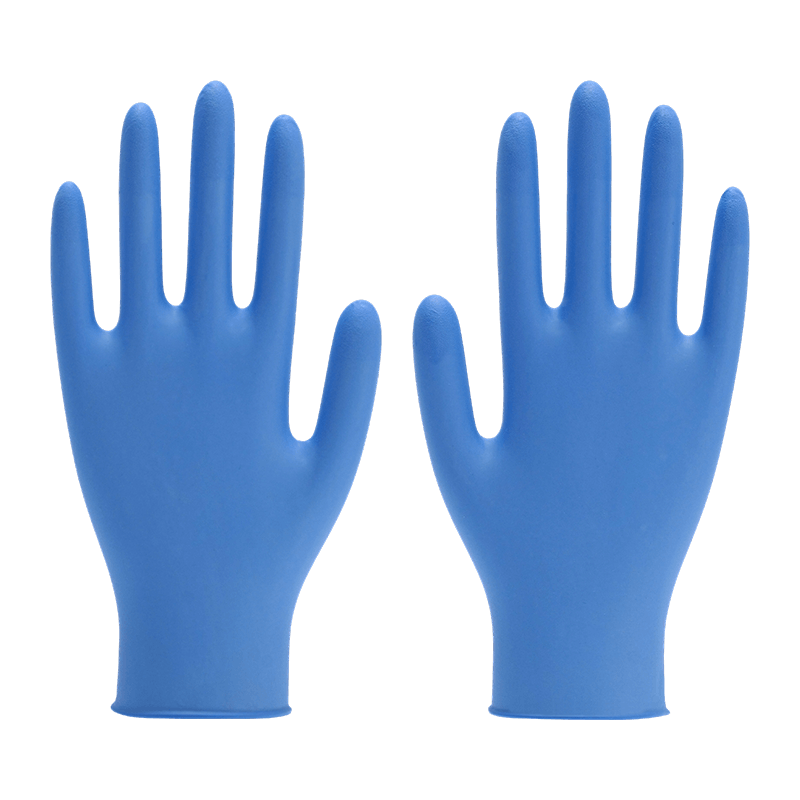
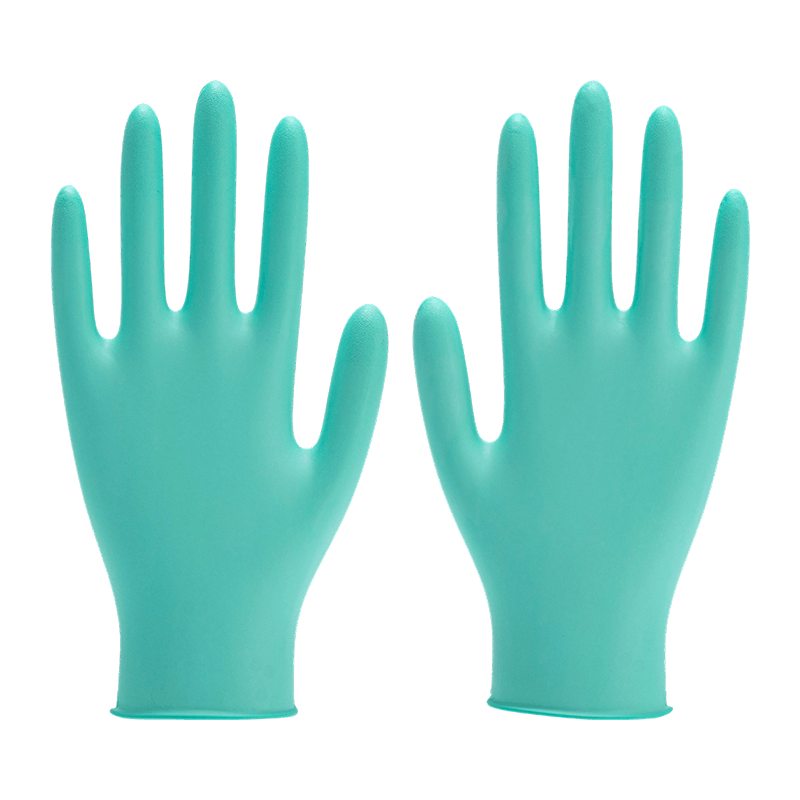
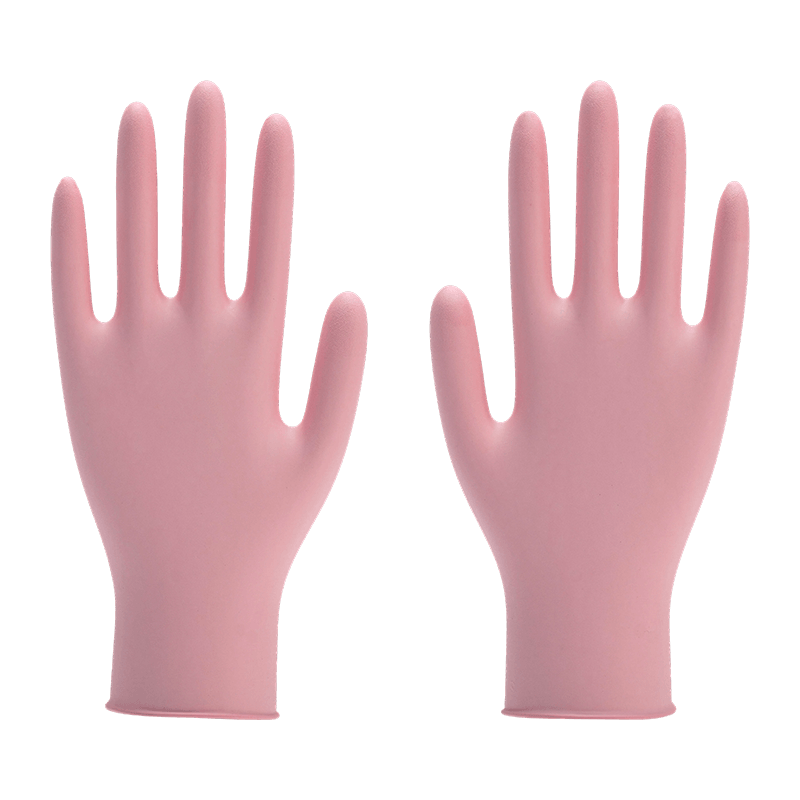
Every shift, a single clinician can go through a dozen or more pairs of medical nitrile gloves while moving from patient exams to wound care to IV adjustments. Behind those individual pairs sits a pr...
READ MORE
News Category
Product Category
Nitrile Gloves Explained: Types, Specifications, and Buying Considerations
A hospital buyer, a plant supervisor, and a food processing manager can all type the same two words into a search engine—nitrile gloves—and each need a different product at the end of it. The material is the same; everything else is not. Here is the short version: nitrile gloves are a single synthetic rubber family, and the correct choice comes down to your application plus four finishing decisions—powder treatment, surface texture, length, and size. Specify those five things and the rest of the purchase becomes straightforward. This article explains what the material actually gives you, how the main application categories differ, which specifications matter most, and what bulk buyers should verify before signing an order.
What Nitrile Gloves Are Made Of
Nitrile gloves are made from nitrile butadiene rubber (NBR), a synthetic rubber produced by polymerizing acrylonitrile and butadiene. Because the material is synthesized rather than tapped from rubber trees, finished gloves contain no natural rubber latex proteins—the substance behind most glove-related skin allergies. That single material difference explains a large part of why nitrile has become the default disposable glove in medical, laboratory, and food environments.
The synthetic base also changes how the glove performs. At comparable thickness, nitrile generally offers better puncture resistance than latex or vinyl, and it holds up noticeably well against oils, greases, and a broad range of common chemicals. For anyone working with machinery, solvents, or fatty foods, that resistance is not a luxury—it is the reason the glove lasts a full shift instead of failing halfway through.
Material sets the baseline, but it does not select the product for you. A medical-grade powder-free glove and an industrial powdered glove can share the same NBR foundation and still be wrong for each other's job. The differences that matter show up in where the glove is used and how it is finished.
Matching Nitrile Gloves to the Work Environment
Glove manufacturers organize nitrile lines by application for a good reason: risk profiles, hygiene rules, and comfort requirements differ sharply across settings. The four categories below cover most institutional purchasing, and each points to a distinct product configuration.
Medical and Clinical Use
Examination gloves are the benchmark for the medical category. The priorities are barrier integrity, tactile sensitivity for patient contact and procedures, and—increasingly—powder-free construction, since glove powder can complicate wound care and interfere with some samples. A common configuration for clinical procurement is a 12-inch, large, powder-free medical glove, which adds cuff coverage and fits the widest range of staff hands.
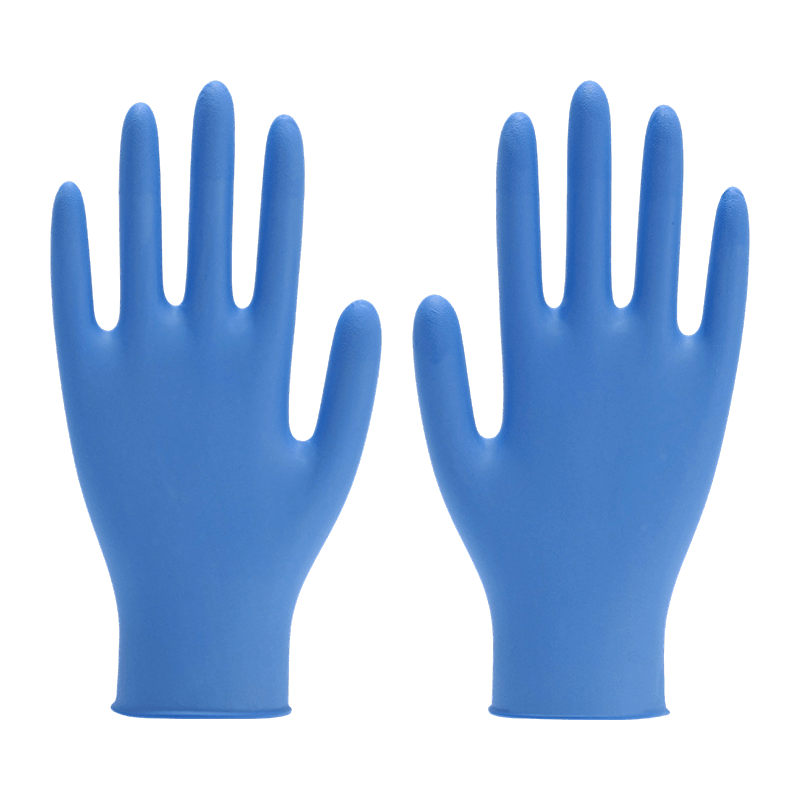
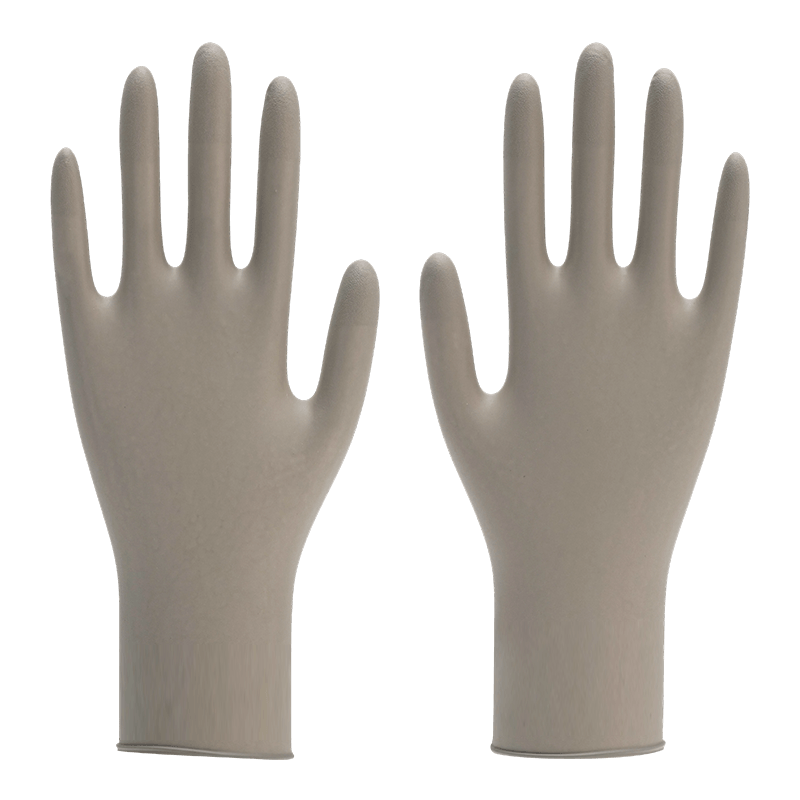 12-Inch Large Powder-Free Medical Examination Nitrile GlovesA benchmark clinical exam glove combining barrier integrity and tactile sensitivity. The extended 12-inch cuff and large powder-free build match the common procurement configuration for medical settings described in the article.View Product →
Industrial Use
In manufacturing, assembly, maintenance, and cleaning, the glove's job shifts from patient safety to hand protection and grip. Textured surfaces matter more here, because workers handle wet, oily, or slippery parts for hours at a time. Powdered versions still appear in industrial settings where donning speed matters and hygiene rules are looser, though many facilities have moved to powder-free to keep workpieces and equipment clean.
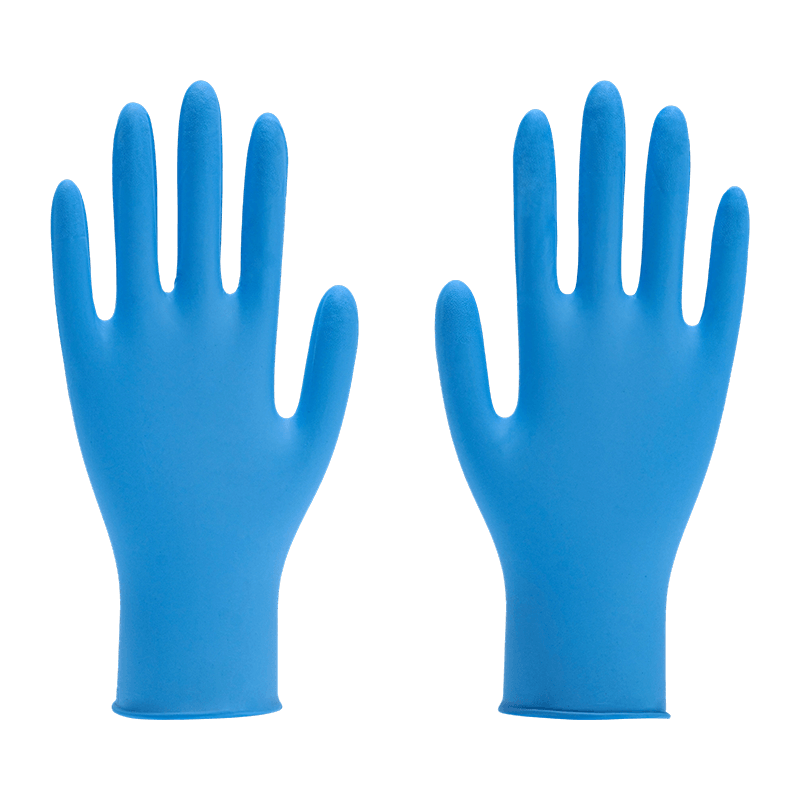
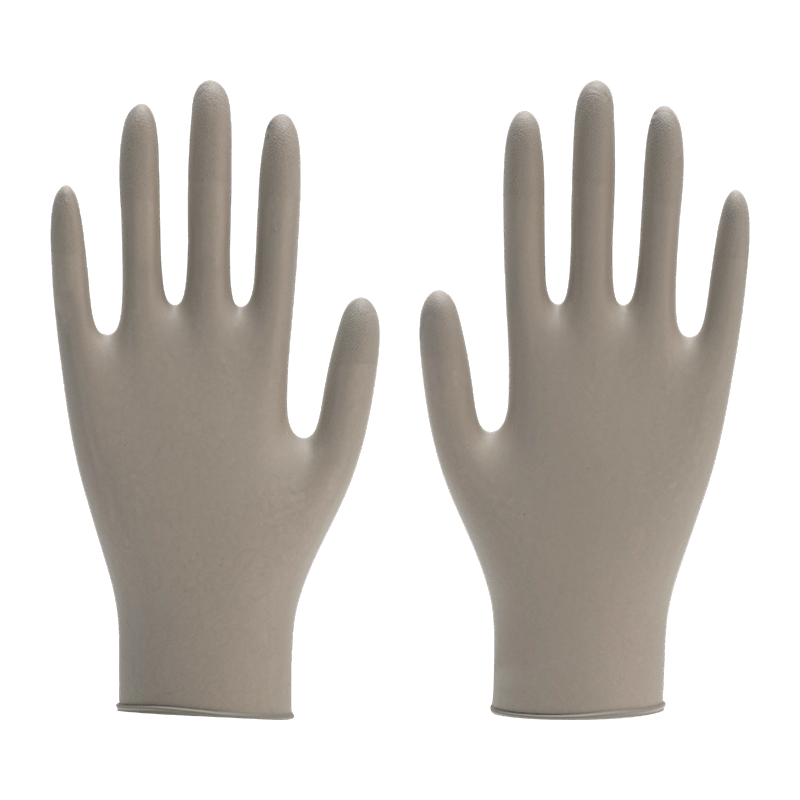 9-Inch Large Industrial Fingertip-Textured Nitrile GlovesFingertip texturing improves grip on wet, oily, or slippery parts during assembly, maintenance, and cleaning. This large powder-free option suits industrial work where hand protection and secure handling matter most.View Product →
Food Handling
Food-grade nitrile gloves are intended for direct food contact in processing plants, commercial kitchens, and catering operations. The food-grade designation signals that the materials are suitable for contact with foodstuffs. Powder-free versions are generally preferred in food work, since powder residue has no place on a production line or a plate. High-volume environments often standardize on one or two sizes per station to keep changeovers fast.
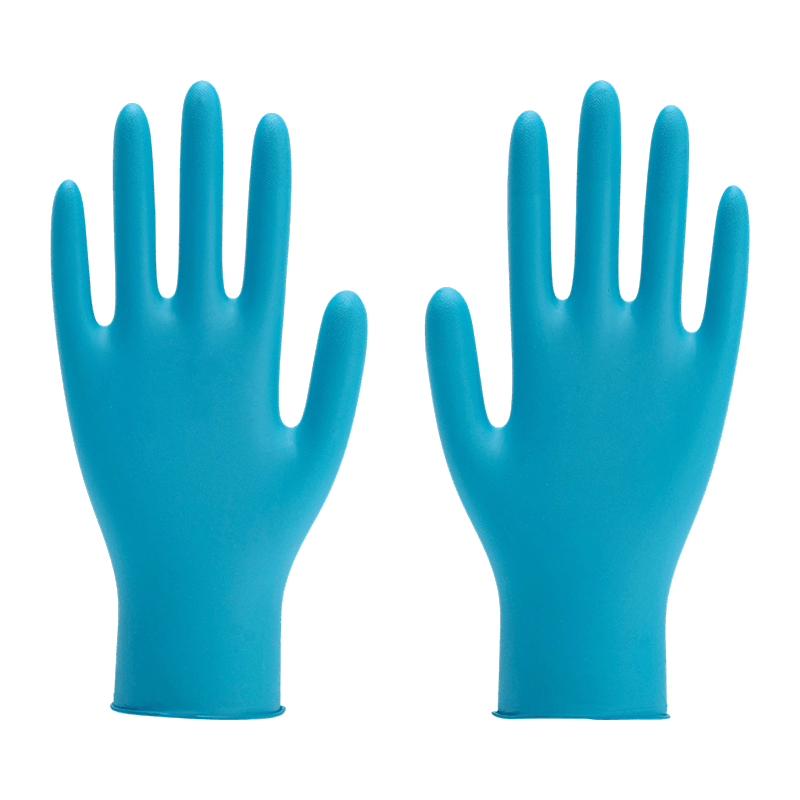
12-Inch Medium Food-Grade Powder-Free Nitrile GlovesDesigned for direct food contact in processing plants and kitchens, with a powder-free build that keeps residue off food. The 12-inch cuff adds wrist coverage beyond standard short exam gloves.View Product →
Biosafety and Laboratory Protection
Laboratory and biosafety work adds a different requirement: extended coverage. A 12-inch cuff protects the wrist and part of the forearm when sleeves ride up during gowning, sample handling, or work inside safety cabinets. Dedicated biosafety lines exist precisely because these buyers cannot substitute a standard 9-inch exam glove and assume the same margin of protection.
| Application | Primary Concern | Common Configuration |
|---|---|---|
| Medical | Barrier integrity and tactile sensitivity | Powder-free, 9-inch or 12-inch |
| Industrial | Grip and puncture resistance | Textured, powdered or powder-free |
| Food | Food-safe contact and cleanliness | Food-grade, powder-free |
| Biosafety | Extended forearm coverage | 12-inch cuff, secure fit |
The Four Specifications That Decide the Fit
Once the application is set, four finishing decisions separate a glove your team will actually wear from one that sits forgotten in a storage room.
Powdered vs. Powder-Free
Powder was originally added to make gloves easier to pull on. Powder-free gloves achieve the same ease through manufacturing surface treatments, and they dominate medical and food purchasing because powder can contaminate samples, wounds, and finished product. Powdered gloves persist mainly in general industrial use, where donning speed matters more than residue control.
Fingertip Texture vs. Full Texture
Fingertip-textured gloves concentrate grip where fine, precise handling happens—instrument work, small parts, documentation. Fully textured gloves extend the pattern across the palm and fingers, improving wet and oily grip for broader handling tasks. Precision work favors fingertip texture; material handling favors full texture.
Length: 9-Inch vs. 12-Inch
The 9-inch format is the standard exam length and covers everyday needs comfortably. The 12-inch format extends up the forearm, which is why it appears in medical work with deeper exposure, laboratory biosafety tasks, and food processing where cuffs and sleeves interact. Longer cuffs cost slightly more per unit, so buyers typically reserve them for the stations that genuinely need the extra coverage.
Size: XS Through XXL
Glove size affects safety, not just comfort. An oversized glove slips and reduces control; an undersized glove stretches thin and tears sooner. Shared environments should stock the full XS–XXL range and let staff self-select, while fixed workstations can standardize on one or two sizes to simplify inventory.
On our site, the product structure mirrors this logic exactly: choose the application first, then the finish, then length and size. Browsing the full nitrile glove product range makes the matrix easy to see, and it is a practical way to shortlist configurations before requesting samples.
What Bulk Buyers Should Verify Before Ordering
Institutional buyers rarely purchase on price per box alone. Before committing to a supplier, confirm the details that predict how the gloves will perform across thousands of boxes:
- Barrier quality data, including the acceptable quality level (AQL) the manufacturer tests against and the thickness at key points such as the palm and fingertip.
- Documentation specific to your application—medical, food contact, or laboratory use—rather than a general-purpose datasheet.
- Batch consistency practices, since gloves that vary between production runs create inspection problems downstream.
- Production capacity and process controls, which determine whether quoted lead times survive a demand spike.
Modern nitrile lines illustrate what to ask about. High-speed production—a single line running at up to 200 pieces per minute, or more than one million pieces per day across a plant—only delivers stable supply when paired with constant-temperature process control, standardized production conditions, and experienced inspection staff. A manufacturer that can describe those controls in specific terms is easier to trust than one that only quotes a price.
For a deeper walk-through of material types and thickness choices, this buyer's guide to nitrile glove types and thickness covers the selection logic in more detail. From there, requesting a quote with your application, required configuration, and estimated annual volume will get you samples matched to real working conditions instead of generic stock.
The Practical Takeaway
Nitrile gloves have earned their place as the standard disposable glove across hospitals, plants, kitchens, and laboratories because the material combines latex-free construction with strong puncture and chemical resistance. Turning that into a purchase is straightforward when you work in order: application first, then powder treatment, texture, length, and size. Buyers who specify those five elements at the request stage receive quotes that are comparable, samples that are relevant, and deliveries that match the work their teams actually do.
Featured Products
Recommended Products
News
-
-
Bottom line first Nitrile gloves are now the dominant choice for medical use across most healthcare settings — offering latex-level barrier protection without allergy risk, broader chemical resista...
READ MORE -
Why Nitrile Gloves Dominate Every Disposable Glove Market Nitrile Gloves have become the dominant disposable glove material globally across medical, industrial, food, and biosafety applications becau...
READ MORE -
If you need disposable gloves that are durable, latex-free, and resistant to a wide range of chemicals and punctures, nitrile gloves are the best all-around choice for the majority of medical, industr...
READ MORE
Get A Free
Custom Quote!
Custom Quote!

We are committed to providing integrated solutions for nitrile gloves and non-woven products.
Get a Quote
Disposable Gloves
Quick Links
E-mail
gatherlucky-sales5@nt-huifu.com
Call Us
+86-18012229099
+86-18012229096
+86-18012229099
AddressNo.7 Wenzhou Road,Economic Development Zone,Shuyang County,Suqian, Jiangsu Province, China, 223600
copyright © Jiangsu Complete Sincerity Medical New Materials Co.,Ltd. All rights reserved.
 Registration Number: 2021200 / 2021200
This website is intended for users outside of China