
 English
 Español
 日本語
日本語 русский
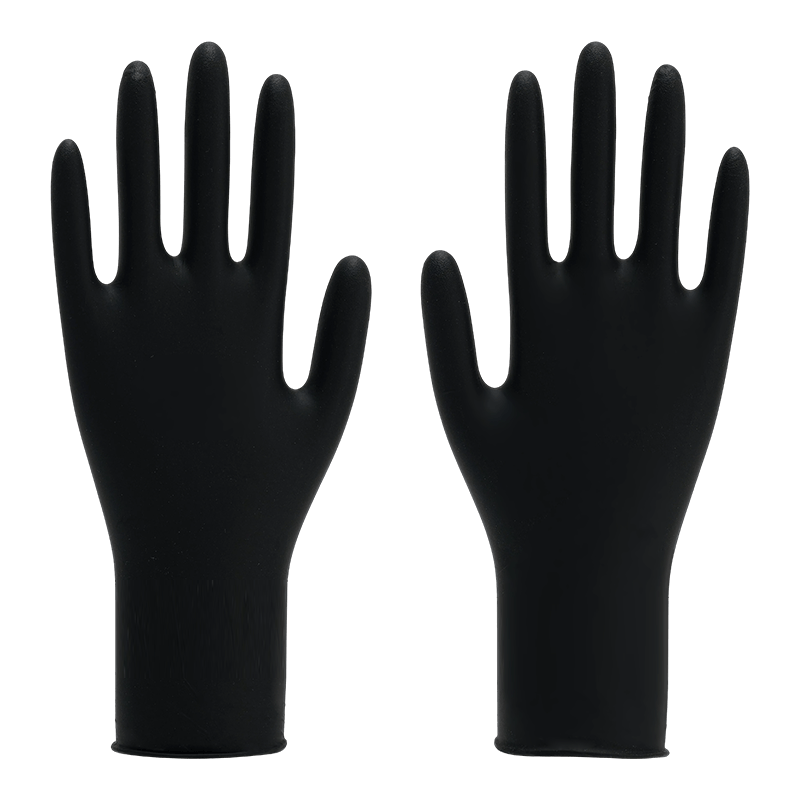
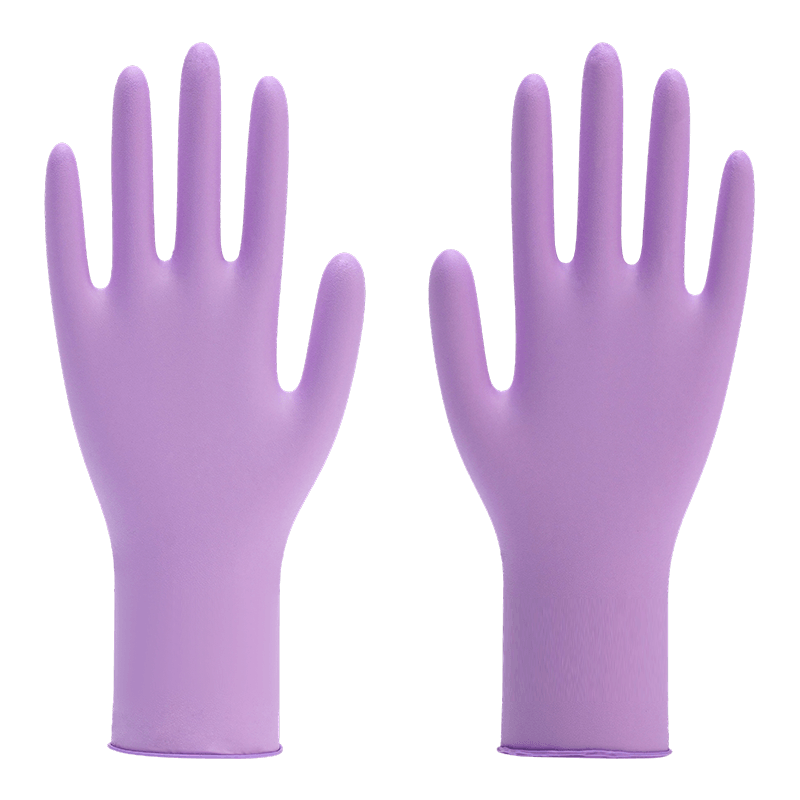
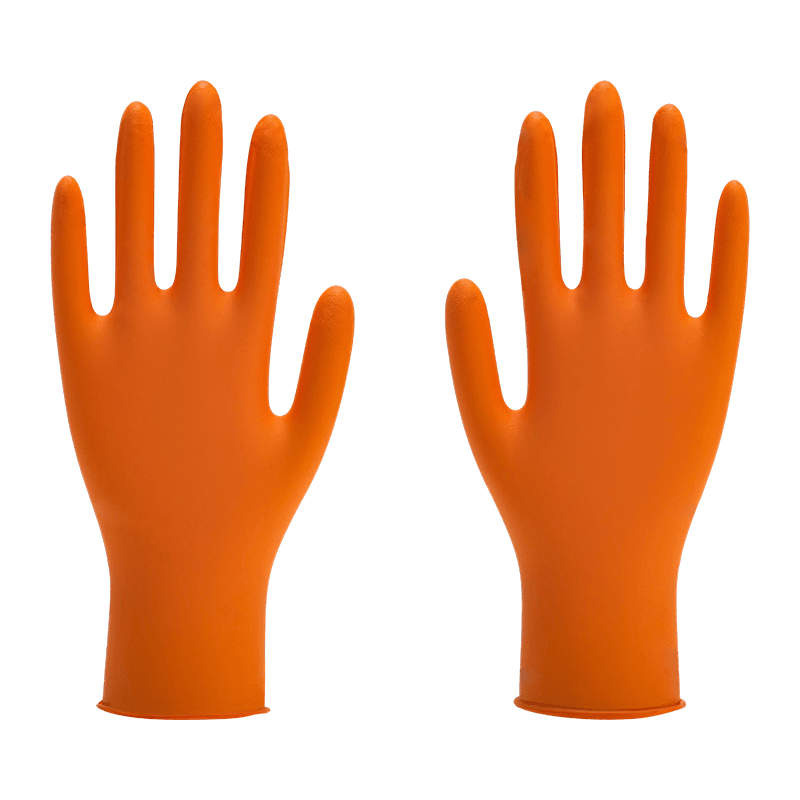
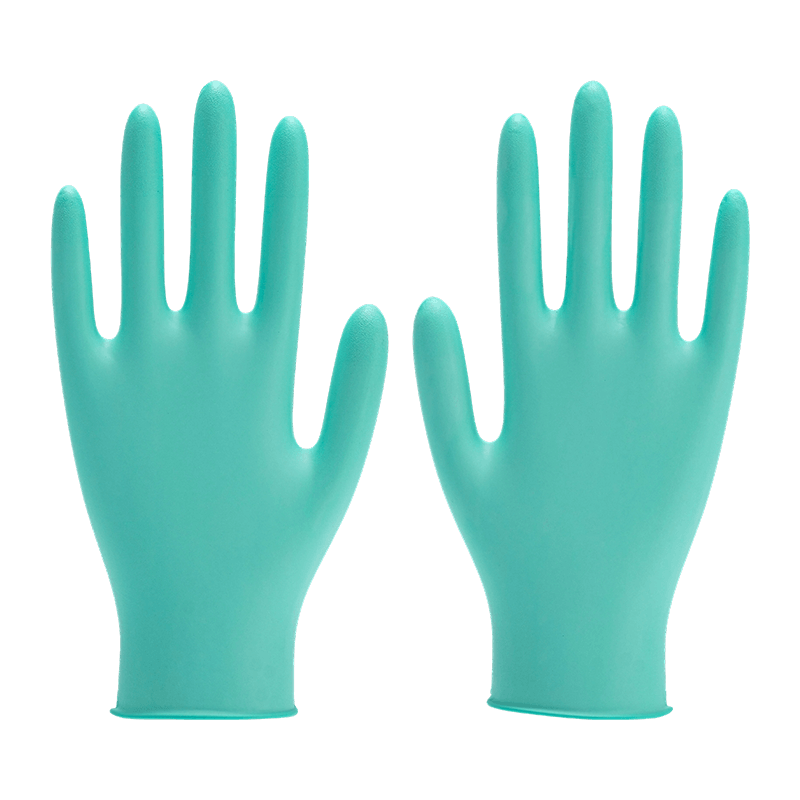
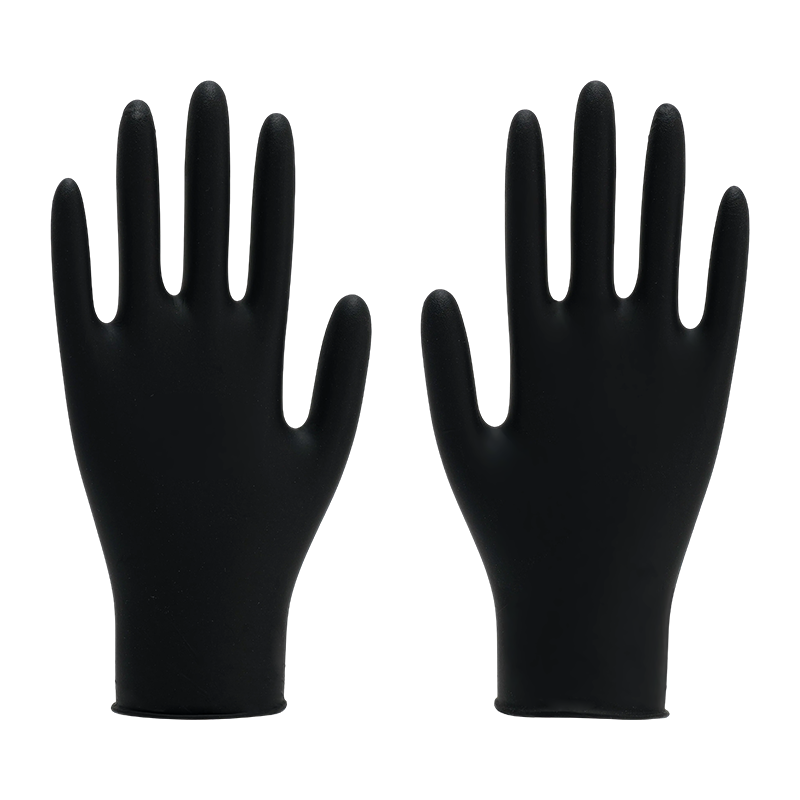
A hospital buyer, a plant supervisor, and a food processing manager can all type the same two words into a search engine—nitrile gloves—and each need a different product at the end of it. The materia...
READ MORE
News Category
Product Category
Medical Nitrile Gloves Explained: Standards, Selection, and Sourcing Tips
Every shift, a single clinician can go through a dozen or more pairs of medical nitrile gloves while moving from patient exams to wound care to IV adjustments. Behind those individual pairs sits a procurement decision that determines whether the gloves fit well, hold up under real use, and remain within the facility's budget. Choosing medical nitrile gloves is therefore less about buying a generic disposable and more about matching specifications to the realities of clinical work.
What Medical Nitrile Gloves Are and Why They Have Become the Clinical Default
Medical nitrile gloves are single-use, medical examination gloves made from nitrile butadiene rubber, a synthetic elastomer that contains no natural rubber latex proteins. This one difference explains much of their clinical popularity: they reduce the risk of Type I latex allergy reactions for healthcare workers and patients while providing better puncture resistance than vinyl and stronger resistance to many common disinfectants. Modern thin-film formulations also provide enough tactile sensitivity for delicate work such as palpation, injections, and instrument handling.
For hospitals, clinics, and laboratories, nitrile has become the default choice because it balances barrier protection, comfort, and safety. Latex remains valued for its elasticity, and vinyl may be acceptable for low-risk tasks, but neither matches nitrile's overall fit in medical environments.
| Property | Nitrile | Latex | Vinyl |
|---|---|---|---|
| Latex protein allergy risk | Low | High | Low |
| Puncture resistance | High | High | Low |
| Chemical resistance to disinfectants | Good | Moderate | Poor |
| Tactile sensitivity | High in thin-film | Very high | Moderate |
| Common medical use | Examinations, procedures | Surgical/high-dexterity | Low-risk tasks |
Four Medical Nitrile Glove Specifications That Control Performance
Every medical nitrile glove product is defined by four variables: powder treatment, surface texture, length, and size. Change one of them and the glove may no longer suit the intended job, so it helps to evaluate each specification before you commit to a product number.
Powder-free vs. powdered
Powder-free medical nitrile gloves are the standard choice in modern healthcare. They avoid the airborne starch or powder that can contaminate wounds, interfere with laboratory tests, or irritate sensitive skin. Powdered versions are still produced for certain markets and low-risk applications, but powder-free gloves give buyers fewer complications to manage in routine clinical use.
Texture: smooth, fingertip-textured, or fully textured
Smooth gloves deliver the least surface interference and work well for general examinations where grip is not the main concern. Fingertip-textured gloves place reinforcement exactly where hands do precise work, such as handling small instruments, opening vials, or turning pages during procedures. Fully textured gloves extend grip across the palm and fingers for tasks that involve wet surfaces or sustained holding.
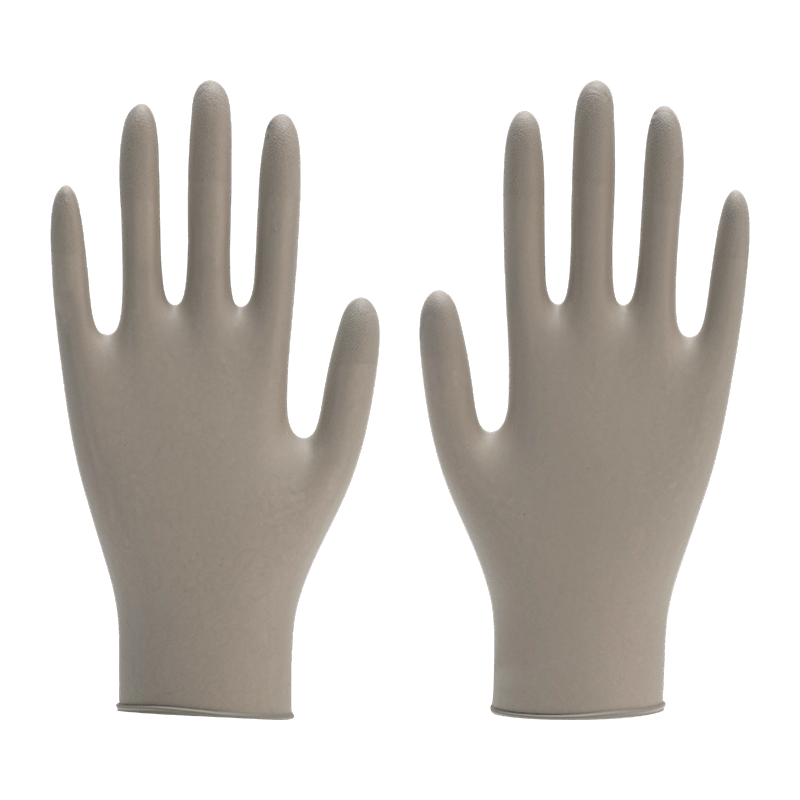 9-inch Medium Medical Fingertip-Textured Nitrile GlovesThese gloves provide targeted texture at the fingertips, ideal for precise handling of instruments and vials. They answer clinical complaints about slippery tools while keeping the palm smooth.View Product →
If your clinical teams complain about slippery instruments, this is a strong signal to test fingertip-textured variants.
Length: 9-inch vs. 12-inch
A standard 9-inch medical nitrile glove covers the hand and wrist; a 12-inch glove adds forearm coverage for situations where body fluids may splash or where a longer cuff makes clinicians feel more secure. Longer gloves are also common in certain procedural areas, while 9-inch gloves dominate general examination and daily care.
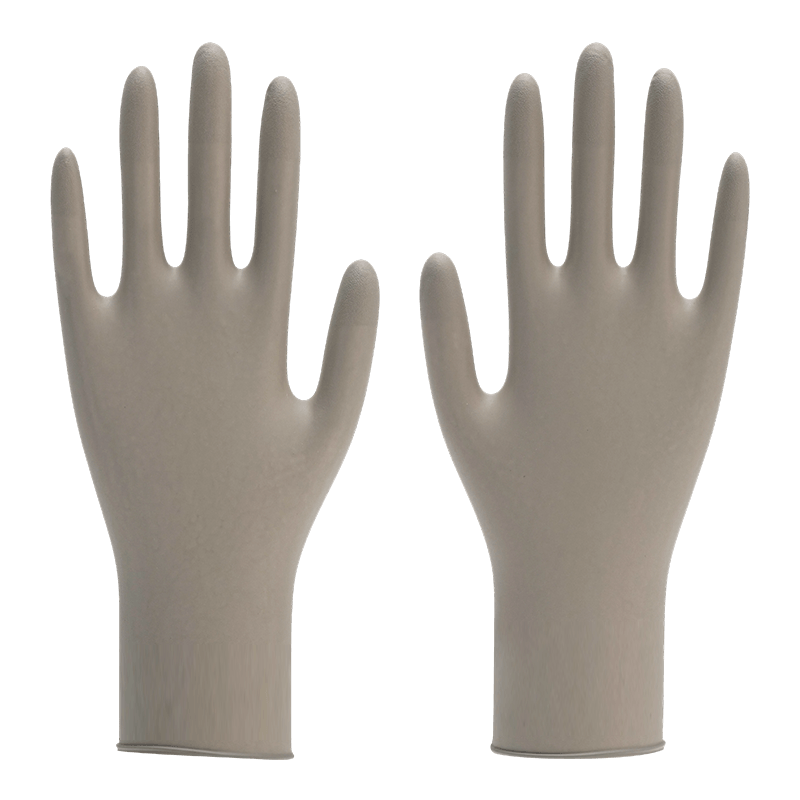 12-inch Medium Medical Powder-Free Nitrile GlovesThis extended-cuff option offers extra forearm coverage for splash protection in procedural settings. Powder-free material suits medical use, and medium size fits standard hands comfortably.View Product →
Sizing: XS to XXL
Medical nitrile gloves are typically supplied in sizes from extra small to extra extra large. Proper fit is not a comfort nicety; oversized gloves dull tactile feedback and can increase contamination risk, while undersized gloves fatigue the hand and may tear during removal. Facilities should stock a full range and let end users choose based on measured hand size rather than a one-size-fits-all approach.
Medical Nitrile Glove Standards and Quality Indicators to Verify
Medical-grade nitrile gloves are held to stricter performance requirements than industrial or food-grade versions. Depending on the destination market, buyers should verify compliance with the relevant standard, such as ASTM D6319 in the United States, EN 455 in Europe, or the ISO 11193 international series. These documents establish requirements for freedom from holes, physical dimensions, tensile strength, and other properties that matter in clinical use.
The Acceptance Quality Limit, abbreviated AQL, is one of the clearest indicators of barrier consistency. A lower AQL means the sampling plan allows fewer pinholes in a batch; for medical examination gloves, many institutions look for AQL 1.5 or better, depending on the standard and intended use. This number deserves attention because it directly affects how often defective gloves reach the bedside.
| Indicator | What it tells you | Why it matters |
|---|---|---|
| Material compliance | Confirms nitrile formulation and latex-free status | Reduces allergy risk and meets purchasing specifications |
| AQL | Quality limit for pinhole defects in sampling | Lower AQL means fewer barrier defects |
| Powder status | Whether the glove is powder-free or powdered | Powder-free is preferred for most clinical settings |
| Texture | Grip profile of the glove surface | Matches gripping behavior to the task |
| Thickness | Material gauge across palm and fingers | Affects durability, feel, and comfort |
| Tensile strength | Force required to break the glove material | Indicates how reliably the glove stands up to use |
Manufacturing process stability is what turns a good specification into consistent delivery. We design our production lines with full-process temperature control and standardized environments so that the quality of each batch stays close to the last. That is what institutional buyers experience as batch-to-batch consistency: the same fit, the same AQL result, and the same behavior at the point of care.
For a practical comparison of how different types and thicknesses perform in clinical settings, our buyer's guide walks through the trade-offs in detail.
A Practical Checklist for Selecting Medical Nitrile Gloves
A structured selection process prevents costly mistakes. Use this checklist when evaluating a new glove line or a new supplier.
- Map exposure risk. Identify which tasks need full barrier protection and which ones demand more dexterity, then specify accordingly.
- Confirm compliance. Determine which medical glove standard applies to your market and ask the manufacturer for certificates and test reports.
- Set the powder policy. Start with powder-free unless a specific procedure or regional practice requires powder.
- Choose the texture. Use smooth gloves for general exams, fingertip-textured models for instrument handling, and fully textured models for slippery or high-grip tasks.
- Select cuff length. Use 9-inch gloves for routine care and 12-inch gloves when extra forearm protection is required.
- Cover all sizes. Order the full XS to XXL range so staff can choose a glove that fits without guessing.
- Evaluate capacity. Confirm that the supplier has the daily output and warehousing to maintain your reorder rhythm.
- Pilot before scaling. Test a small batch across a representative group of users and collect feedback on fit, feel, and durability before placing a large order.
Each item on this list is simple on its own, yet skipping one is how a facility ends up with gloves that pinch, tear, or fail an audit. A consistent process protects staff, budget, and compliance.
Why Sourcing Directly from a Nitrile Glove Manufacturer Matters
Distributors add cost layers and can dilute the technical information you receive about a product. Sourcing directly from a manufacturer gives you a direct line to the people who make the glove and the controls behind it. It also simplifies communication when you need to adjust texture mix, sizing distribution, or packaging for a specific facility.
Direct supply relationships are especially valuable when demand fluctuates. A manufacturer with substantial production capacity can be more responsive to volume changes than a middleman with fixed warehouse stock. At Jiangsu Complete Sincerity, we run dedicated nitrile glove production for medical, industrial, food, and biosafety applications, with the same quality control approach applied to each line.
For institutional buyers, the goal is repeatable quality at scale. A plant that invests in long production lines, extended-chain ovens, and temperature-controlled environments can sustain high output without sacrificing process stability, which is exactly what a hospital supply agreement needs over the long term.
Medical nitrile gloves perform best when they are chosen with the same rigor as any other medical supply. Start with the clinical task, translate it into a specification, verify the manufacturer's control systems, and pilot before scaling. That approach keeps staff protected, supply stable, and procurement defensible.
Featured Products
Recommended Products
News
-
-
Why Nitrile Gloves Dominate Every Disposable Glove Market Nitrile Gloves have become the dominant disposable glove material globally across medical, industrial, food, and biosafety applications becau...
READ MORE -
Bottom line first Nitrile gloves are now the dominant choice for medical use across most healthcare settings — offering latex-level barrier protection without allergy risk, broader chemical resista...
READ MORE -
If you need one answer: nitrile gloves are the better default choice for most tasks, because they resist punctures better, hold up against a wider range of chemicals, and carry no risk of triggering ...
READ MORE
Get A Free
Custom Quote!
Custom Quote!

We are committed to providing integrated solutions for nitrile gloves and non-woven products.
Get a Quote
Disposable Gloves
Quick Links
E-mail
gatherlucky-sales5@nt-huifu.com
Call Us
+86-18012229099
+86-18012229096
+86-18012229099
AddressNo.7 Wenzhou Road,Economic Development Zone,Shuyang County,Suqian, Jiangsu Province, China, 223600
copyright © Jiangsu Complete Sincerity Medical New Materials Co.,Ltd. All rights reserved.
 Registration Number: 2021200 / 2021200
This website is intended for users outside of China