
 English
 Español
 日本語
 русский
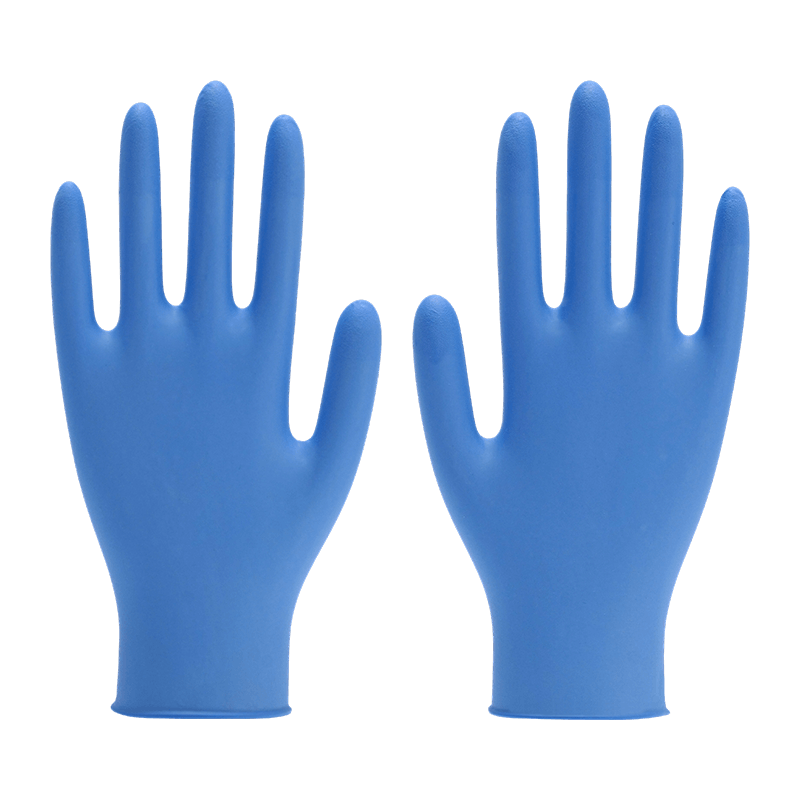
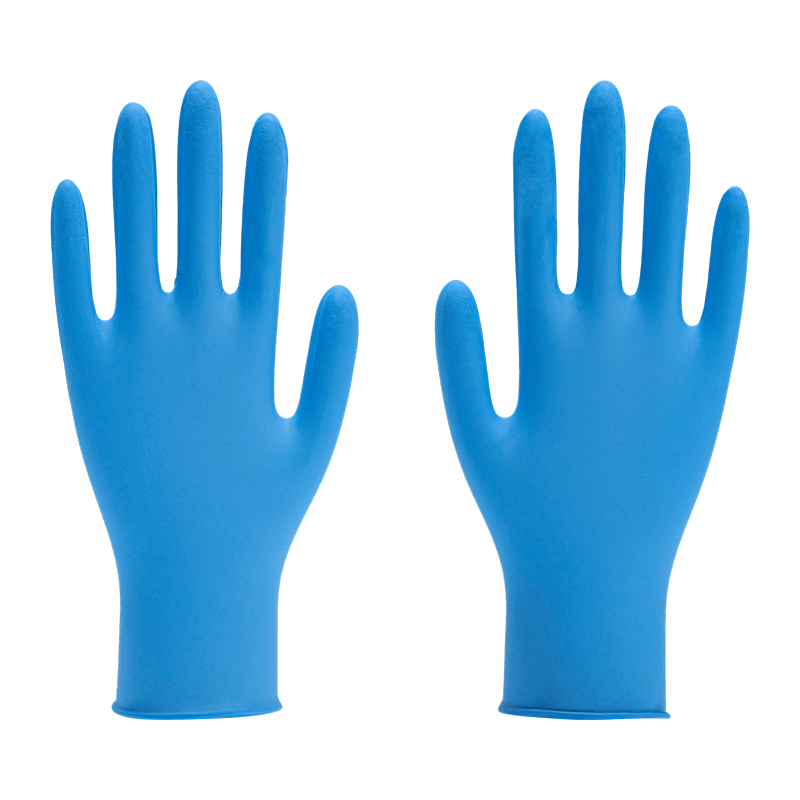
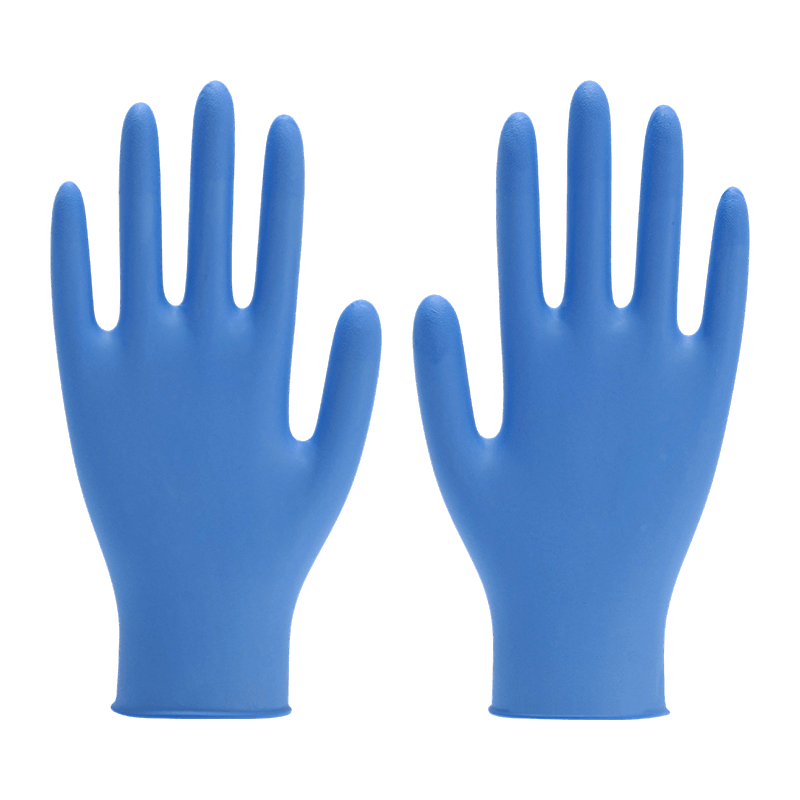
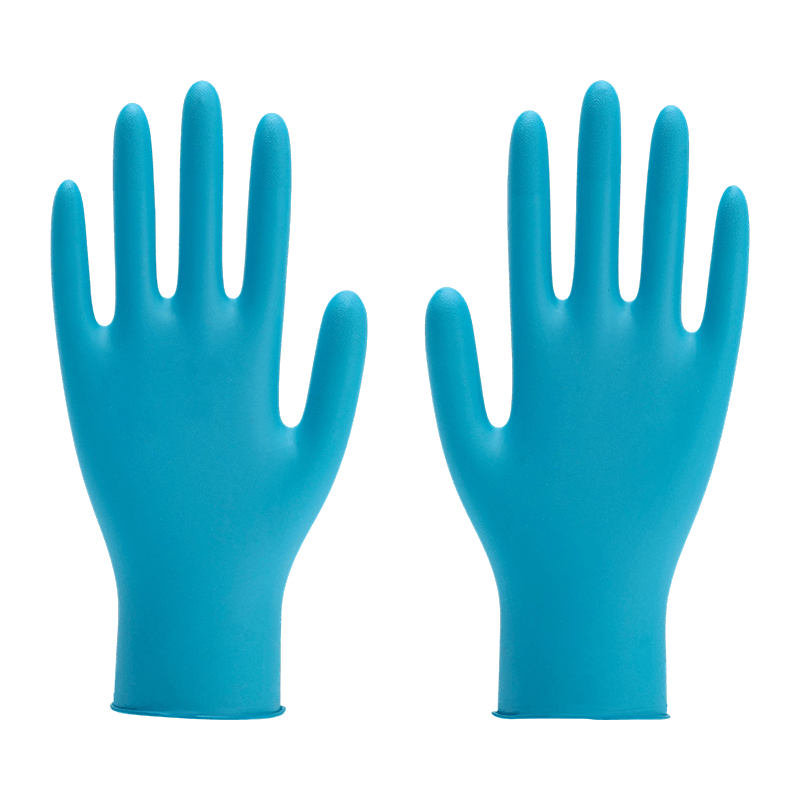
If you buy disposable gloves in bulk, you have probably asked a supplier a very simple question and received a rather slippery answer: how many gloves are in a case? The honest short answer is usuall...
READ MORE
News Category
Product Category
How Do I Know What Size Nitrile Gloves to Buy? A Complete Sizing Guide
Choosing the right nitrile glove size does not have to feel like guesswork. In our years of producing examination, industrial, food-grade, and biosafety nitrile gloves, we have seen many buyers ask the same question: how do I know what size nitrile gloves to buy? The answer starts with one simple hand measurement. This guide explains how to measure, how to read our size chart, and what a correct fit should feel like. If you are buying for a team, you can also start by browsing our complete nitrile glove range to see how each series is organized by size, length, and surface finish.
Why Nitrile Glove Size Matters
A glove that does not fit properly can affect both comfort and protection. When a glove is too small, it puts pressure on your hand, reduces blood flow, and makes your fingers tire quickly. It is also more likely to tear at stress points. When a glove is too loose, you lose tactile sensitivity and grip, which can be dangerous when handling small instruments or working with chemicals.
The right size creates an even, snug fit across the palm, allows your fingers to move naturally, and keeps the glove in place without rolling at the wrist. That is why we encourage every buyer to check sizing before placing a bulk order instead of assuming a one-size approach.
How to Measure Your Hand for Nitrile Gloves
The standard way to identify your nitrile glove size is to measure the circumference of your hand around the widest part of your palm, just below the knuckles. This measurement is often called palm circumference. Use your dominant hand, since it is usually slightly larger.
- Take a flexible tape measure, or a string and a ruler if no tape is available.
- Wrap the tape or string around your palm just below your knuckles. Keep your fingers together and your hand relaxed.
- Exclude your thumb from the measurement; place the tape above the thumb web.
- Read the circumference in inches or centimeters. If you used string, mark the meeting point and lay it flat against a ruler.
Write down the number and compare it with the sizing chart below. If you are between sizes, we recommend choosing the larger size, especially for long wearing sessions, because a slightly roomier glove reduces hand fatigue.
Nitrile Glove Size Chart
The table below shows the typical palm circumference ranges for disposable nitrile gloves. Different manufacturers may use slightly different ranges, so always check the product-specific size chart when available.
| Glove Size | Palm Circumference (inches) | Palm Circumference (cm) |
|---|---|---|
| XS | 6 – 7 in | 15 – 18 cm |
| S | 7 – 8 in | 18 – 20 cm |
| M | 8 – 9 in | 20 – 23 cm |
| L | 9 – 10 in | 23 – 25 cm |
| XL | 10 – 11 in | 25 – 28 cm |
| XXL | 11 – 12 in | 28 – 30 cm |
If your measurement falls right at the edge of two sizes, choose the larger one for general use. For tasks that require precision, such as medical examinations or laboratory work, you might prefer a snugger fit within the recommended range.
How to Test the Fit
Once you put on a pair of nitrile gloves, use these simple checks to confirm the size is right:
- Your fingertips should not feel crushed or leave deep marks on your skin.
- The palm material should lie smoothly without excessive bunching or tight stretching.
- You should be able to bend and spread your fingers freely.
- The glove should stay in place at the wrist without feeling like a tourniquet.
- If you work with fine tools, you should still feel small objects through the glove.
Gloves that are too tight can cut off circulation, while gloves that are too loose can reduce grip. A quick fit test before buying in bulk can save a lot of frustration.
Choosing the Right Size for Different Workplaces
Nitrile glove sizes are the same across medical, industrial, food-grade, and biosafety lines, but the best product choice may differ by application. Many facilities order multiple sizes because hand sizes in a team vary. In most cases, Medium and Large are the most common, but we recommend stocking Small, X-Large, and even XXL if your team includes a wide range of users.
Medical and Clinical Settings
In medical environments, tactile sensitivity and powder-free options are priorities. A snug fit at the fingertips helps practitioners perform precise tasks. Powder-free medical nitrile gloves reduce the risk of powder contamination and skin irritation. For many clinical teams, a medium or large glove with textured fingertips offers the best balance.
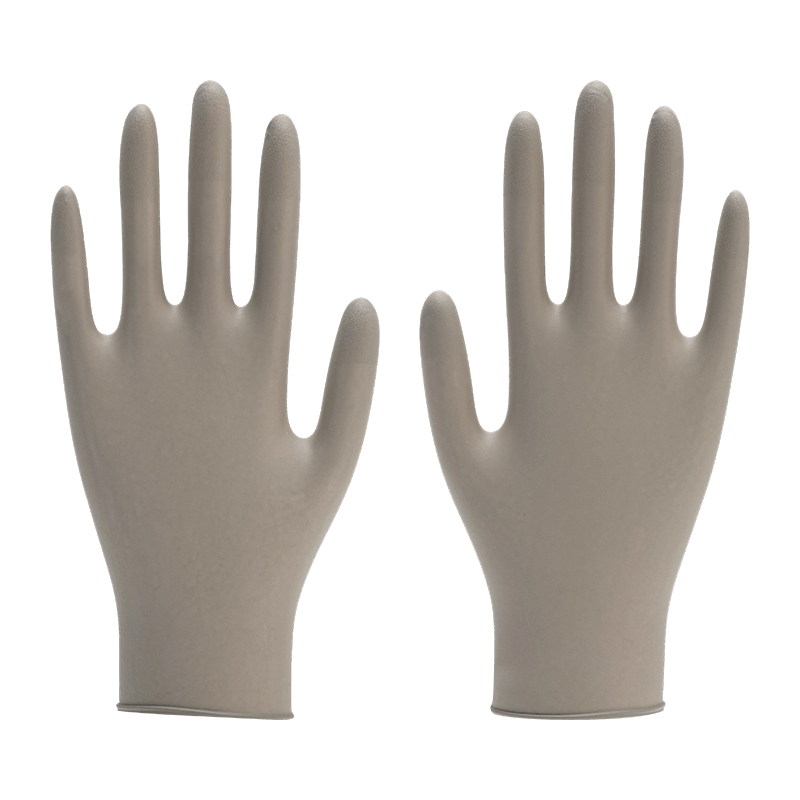 9-Inch Medium Powder-Free Medical Nitrile GlovesIdeal for precise clinical tasks, these powder-free gloves reduce contamination risk and skin irritation while offering a snug fit at the fingertips for better tactile sensitivity.View Product →
Industrial and Workshop Use
Industrial users often need extra durability and grip. Textured gloves provide better handling of tools and materials, and a slightly thicker glove can offer more protection. If hands will be exposed to oils or chemicals, 12-inch gloves can also cover more of the wrist and forearm. Always match the glove size to the hand, not the task.
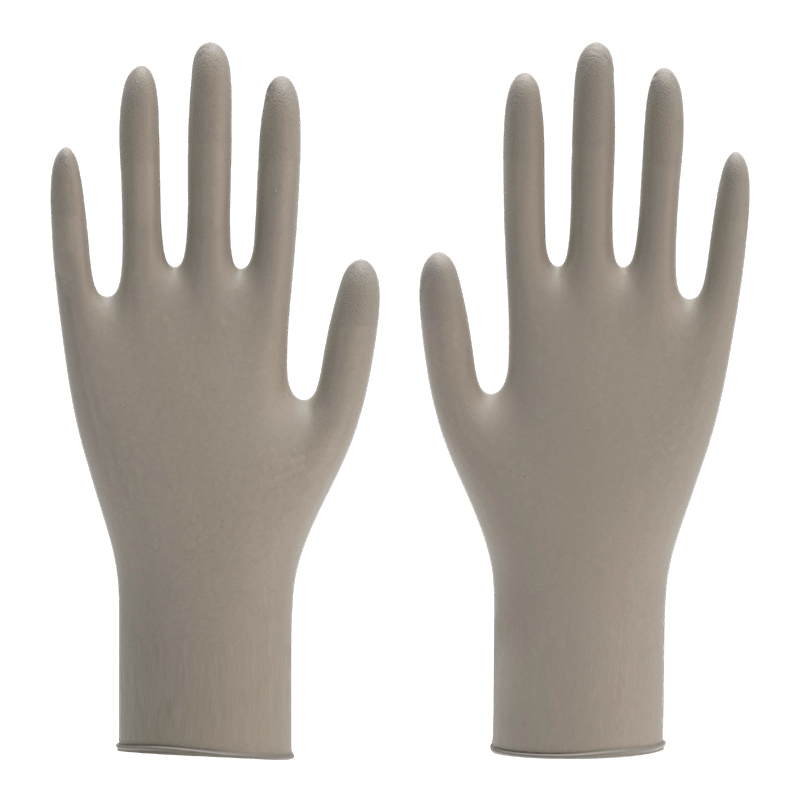 12-Inch Large Industrial Textured Nitrile GlovesDesigned for demanding industrial work, these textured nitrile gloves provide enhanced grip and wrist protection, making them a solid choice for handling tools, oils, or chemicals.View Product →
Food Processing and Handling
Food-grade nitrile gloves must be safe for contact with food and should fit well enough to allow quick, confident movements during sorting, prep, or packaging. In food environments, a glove that is too loose can trap food particles or feel clumsy. A properly sized food-grade glove helps support hygiene and efficiency.
9-Inch Medium Food-Grade Fingertip-Textured Nitrile GlovesA reliable food-safe option with fingertip texturing for improved control during sorting or prep, balancing hygiene with confident handling in busy food environments.View Product →
Biosafety and Laboratory Protection
Laboratories and biosafety teams rely on nitrile gloves as a barrier against biological hazards. In these settings, a glove that fits well at the wrist and fingers is essential for confidence. If you are unsure whether your application calls for a standard or textured finish, a reliable way to decide is to consider grip and dexterity needs. You can learn more in our guide to nitrile glove applications.
Nitrile Glove Sizing FAQ
Do all nitrile gloves use the same size chart?
Most manufacturers follow a similar palm circumference range, but slight differences do exist. Thickness, cuff length, and surface texture can change how a glove feels even when the labelled size is the same. Check the size chart on the product page before ordering.
Is glove size the same as glove length?
No. Glove size is based on hand circumference. Glove length, usually 9 inches or 12 inches, refers to how far the glove extends up the wrist and forearm. Choose a length based on the coverage you need; choose the size based on your palm measurement.
What if my hand measures between two sizes?
Choose the larger size for comfort and all-day wear. A slightly roomier glove is safer than one that restricts movement. If the larger size feels too loose at the fingertips, test the next smaller size to compare grip.
Can a man wear a small or medium nitrile glove?
Anyone can wear any size that fits. Women often wear XS or S, and men often wear M or L, but hand size varies widely. Always use the actual measurement rather than assuming a size from gender or height.
Start With the Right Fit
Finding the correct nitrile glove size takes less than a minute. Measure your palm, compare it to the chart, and test the fit before you buy. Whether you are ordering for one person or an entire facility, a well-fitting glove improves comfort, safety, and productivity. If you are planning a bulk purchase, we recommend ordering a few sizes first and trying them in the actual working environment.
At JCSM Gloves, we build nitrile gloves in sizes XS through XXL and in multiple lengths, so you can standardize your team’s hand protection without guessing. We hope this guide helps you buy with more confidence and less waste.
Featured Products
Recommended Products
News
-
-
Few questions reach our team as often as this one: how long do nitrile gloves actually last? As a manufacturer of medical examination gloves, we speak with purchasing managers every week who want a c...
READ MORE -
Why Nitrile Gloves Dominate Every Disposable Glove Market Nitrile Gloves have become the dominant disposable glove material globally across medical, industrial, food, and biosafety applications becau...
READ MORE -
If you buy disposable gloves by the case, the moment of truth happens the first time a glove fails. The puncture, torn cuff, or stiff film is not an isolated accident. It is the visible result of a c...
READ MORE
Get A Free
Custom Quote!
Custom Quote!

We are committed to providing integrated solutions for nitrile gloves and non-woven products.
Get a Quote
Disposable Gloves
Quick Links
E-mail
gatherlucky-sales5@nt-huifu.com
Call Us
+86-18012229099
+86-18012229096
+86-18012229099
AddressNo.7 Wenzhou Road,Economic Development Zone,Shuyang County,Suqian, Jiangsu Province, China, 223600
copyright © Jiangsu Complete Sincerity Medical New Materials Co.,Ltd. All rights reserved.
 Registration Number: 2021200 / 2021200
This website is intended for users outside of China