
 English
 Español
 日本語
 русский
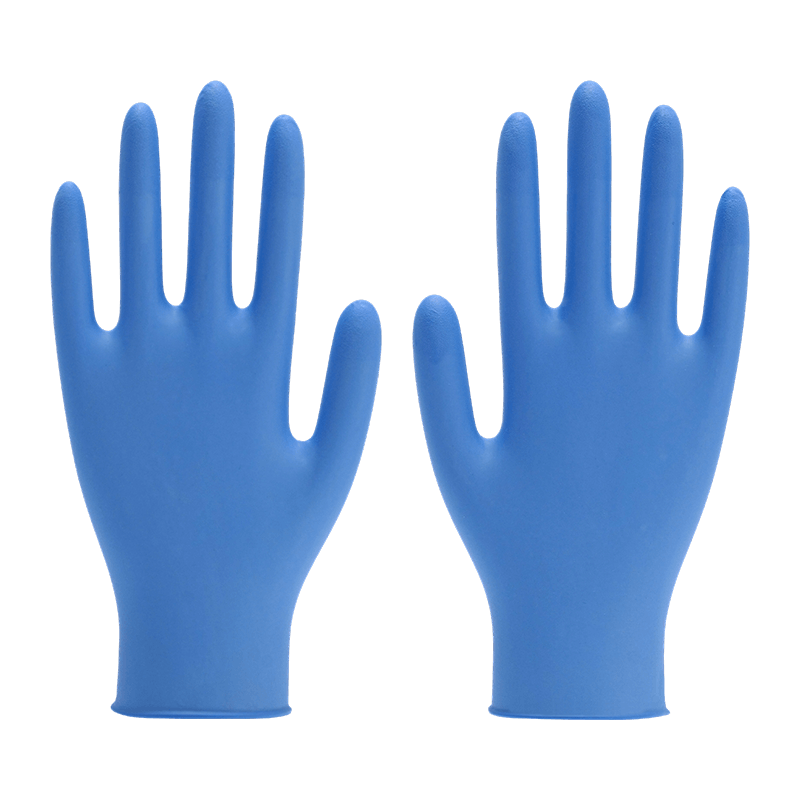
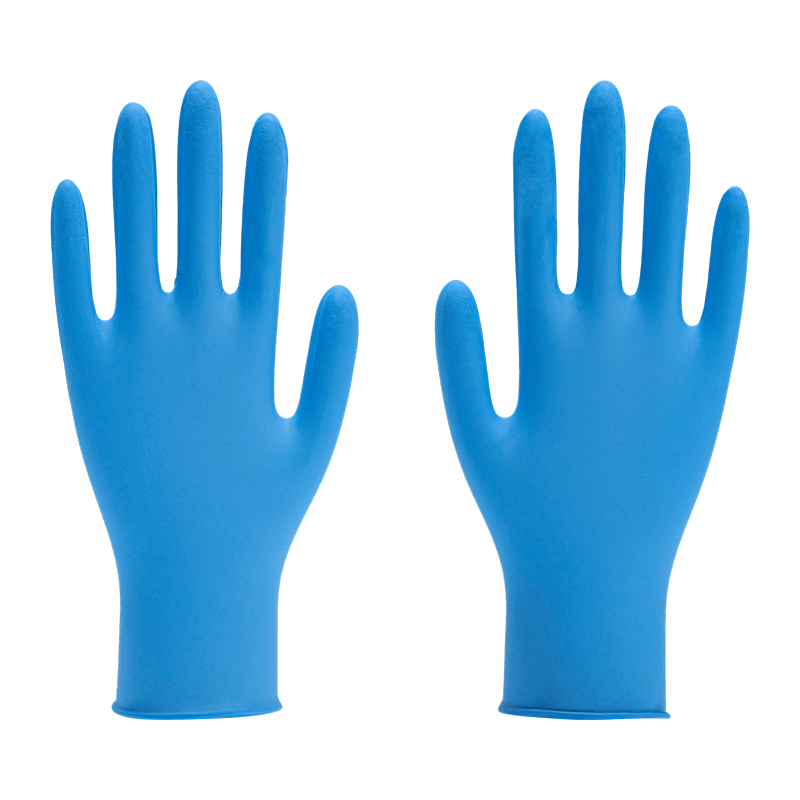
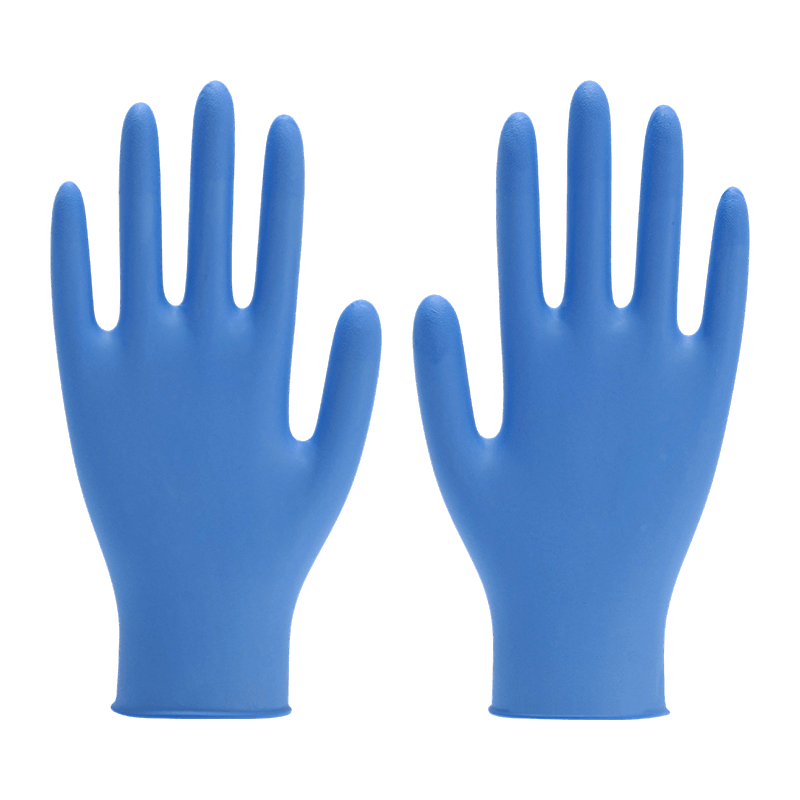
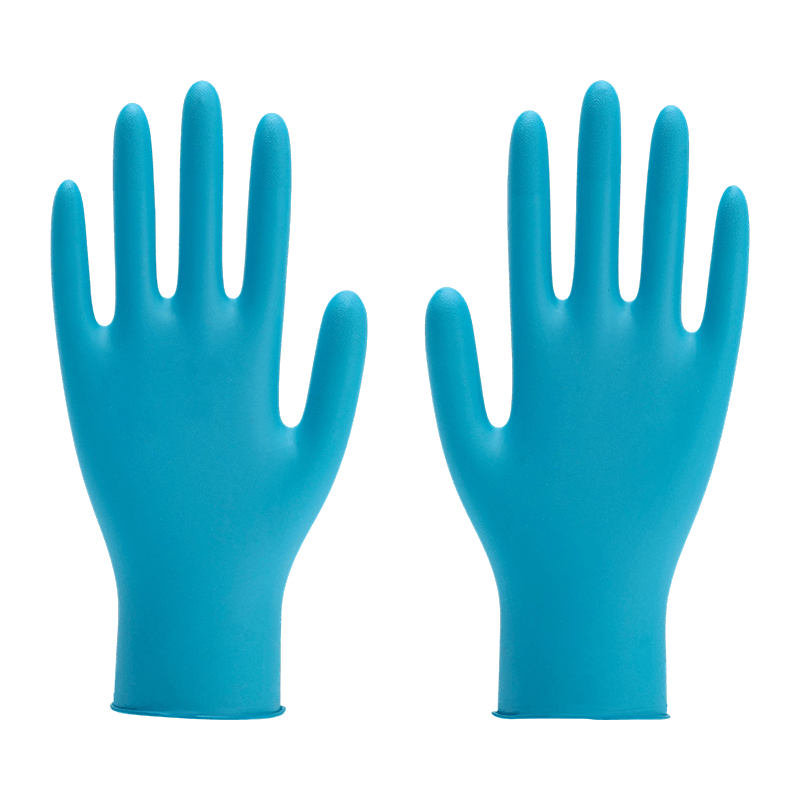
Choosing the right nitrile glove size does not have to feel like guesswork. In our years of producing examination, industrial, food-grade, and biosafety nitrile gloves, we have seen many buyers ask t...
READ MORE
News Category
Product Category
How Many Gloves in a Case? A Nitrile Glove Packing Guide for Wholesale Buyers
If you buy disposable gloves in bulk, you have probably asked a supplier a very simple question and received a rather slippery answer: how many gloves are in a case? The honest short answer is usually 1,000. The honest follow-up is that it depends on the size, the grade, and how the boxes were filled on the day they were packed.
We manufacture nitrile gloves, so we deal with this question on the production side every day. This guide covers the case counts you will see on most quotes, explains why a case of large gloves can hold fewer pieces than a case of small ones, and shows how to turn those numbers into an order that keeps your team supplied.
The Short Answer: How Many Gloves Are in a Case?
A standard case of nitrile examination gloves contains 1,000 gloves: 10 boxes of 100. That is the configuration most distributors quote and most hospitals, clinics and food plants stock. Smaller and larger configurations exist, but 1,000 pieces in 10 boxes is the baseline to keep in mind when you compare quotes.
| Glove type | Gloves per box | Boxes per case | Gloves per case |
|---|---|---|---|
| Medical nitrile exam, XS to M | 100 | 10 | 1,000 |
| Medical nitrile exam, L to XL | 90 | 10 | 900 |
| 12-inch extended cuff, medical | 90 | 10 | 900 |
| Food-grade nitrile | 100 | 10 | 1,000 |
| Food-service bulk pack | 200 | 5 | 1,000 |
| Industrial nitrile, 9-inch | 100 | 10 | 1,000 |
| Industrial, bulk poly bag | 1,000 per bag | 1 bag | 1,000 |
Notice that the case is almost always 10 boxes. The piece count changes because the box count changes. A case of 90-count boxes is still a case, still nearly the same carton, and ten percent lighter on paper while costing almost the same to produce. That is exactly why the gloves-per-case figure belongs in writing on your purchase order.
Why the Count Changes: Weight-Packed and Count-Packed Boxes
There are two reasons the number moves, and neither is anyone trying to shortchange you.
The first is weight packing. Nitrile gloves are filled by weight on high-speed lines, because counting individual pieces at that speed is far less reliable than weighing them. Since a size L glove weighs noticeably more than a size S, the same box fills with fewer large gloves than small ones. That is why a box may be marked 100 for XS, S and M, then 90 for L and XL, and why 12-inch extended-cuff gloves often land at 90 as well.
The second is the case configuration itself. Ten boxes per case is standard, but it is not universal.
- Boxes of 50, 90, 100 and 200 gloves are all in normal circulation.
- Cases built from 5, 10 or 20 boxes are all quoted, depending on the product line.
- Bulk polythene packs skip boxes entirely, which suits food service and industrial cleaning where gloves are pulled quickly and the box is simply waste.
- Powdered and powder-free versions of the same glove can be packed differently, because powder adds weight and changes the fill calculation.
A case is therefore a packaging unit, not a promise of a fixed piece count. The piece count lives on the packing list.
Case Counts by Application: Medical, Food, Industrial and Biosafety
Packing conventions tend to follow the application, because different users handle gloves in different ways. Here is what we see across the four families we produce.
Medical and examination gloves
Medical examination gloves are the most standardized part of the category: 100 gloves per box, 10 boxes per case, 1,000 gloves. Powder-free has become the default in most markets, and sizes XS through M usually fill at a full 100, while L and XL are frequently weight-packed at 90. A case of 12-inch medical gloves in size L often arrives as 10 boxes of 90, or 900 gloves.
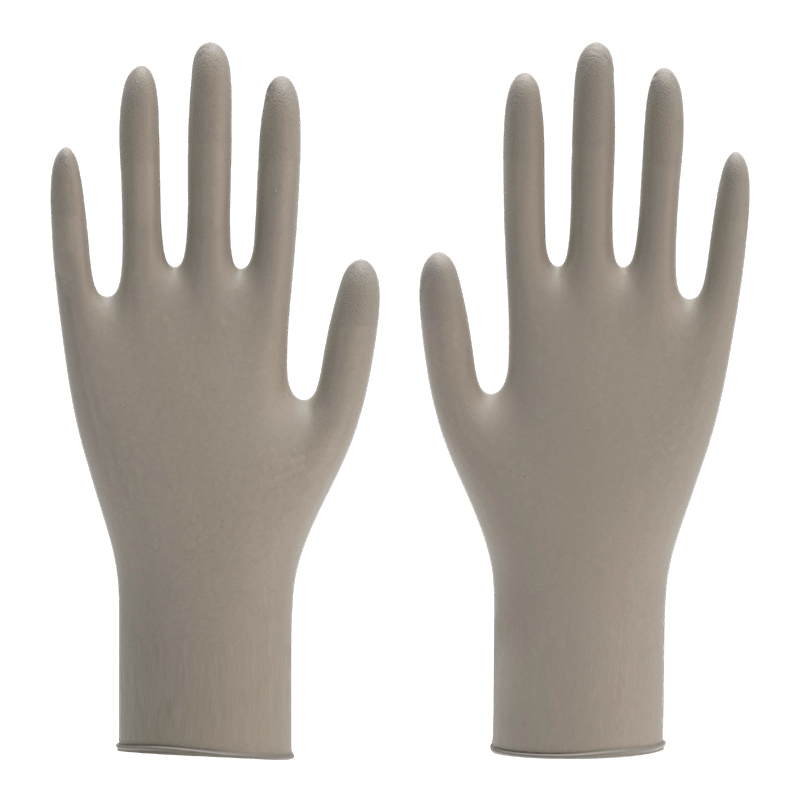 12-Inch Large Medical Powder-Free Nitrile GlovesFor medical-use buyers needing size L coverage, these 12-inch powder-free nitrile gloves come 100 per box with 10 boxes per carton.View Product →
Food-grade gloves
Food handling is a high-consumption environment, so food-grade nitrile is packed for speed. The standard case is still 1,000 gloves, but you will also see 200-count boxes and larger bulk packs, plus cases built from five boxes rather than ten. Where gloves are changed many times per shift, buyers usually care more about cost per glove than about the box, and weight-packed fills at 90 per box are common for larger sizes.
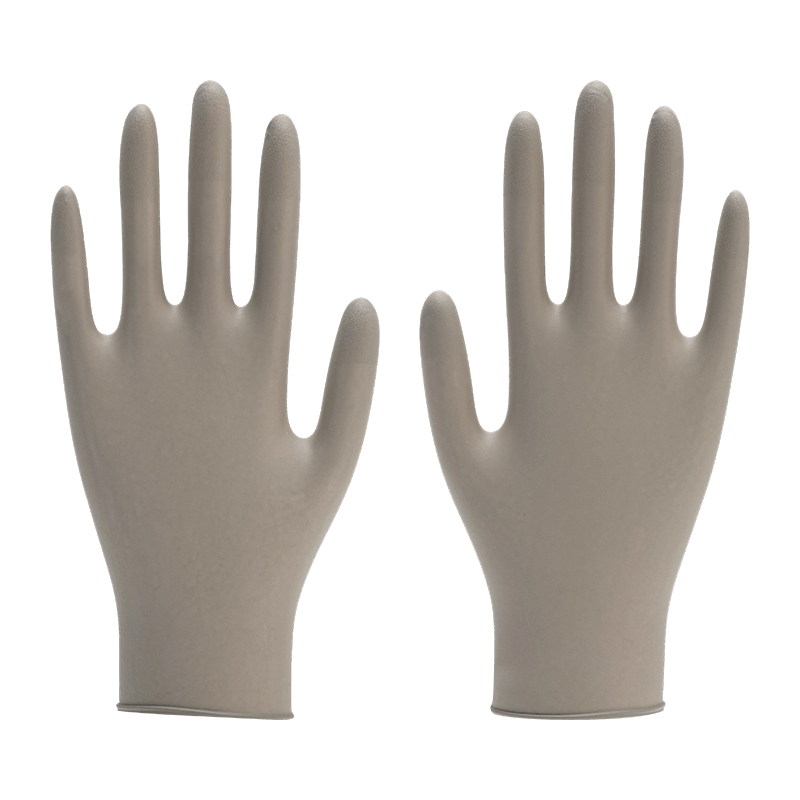 9-Inch Medium Food-Grade Powder-Free Nitrile GlovesFor high-volume food handling, these medium powder-free nitrile gloves offer a 9-inch length and standard 100-per-box, 10-box carton packing.View Product →
Industrial and biosafety gloves
Industrial nitrile gloves follow a similar 1,000-glove case, but the mix of lengths is wider. Nine-inch gloves cover most general handling work, while 12-inch gloves are chosen when the wrist and forearm need coverage. Because they contain more material, they are more often packed at slightly lower counts. Biosafety gloves are packed like medical gloves, at 100 per box and 10 boxes per case; the difference sits in the specification rather than the carton.
You can see how these families are organized by browsing our nitrile glove range by application, length and size, since each product page carries its own packing details.
How Many Cases Does Your Team Actually Need?
Once you know the gloves-per-case figure, planning becomes simple arithmetic. Work through it in this order:
- Count the people who actually wear gloves, not the people on the payroll.
- Estimate gloves used per person per shift, including the ones discarded after a tear.
- Multiply by shifts per week, then by the number of weeks in your ordering cycle.
- Convert the total to boxes, then to cases, rounding up.
- Add a buffer of 20 to 30 percent and check your supplier's delivery time.
A worked example: a 30-person clinic where each person uses about 12 gloves per shift, across 22 shifts a month, burns through roughly 7,920 gloves a month. That is eight cases of 1,000. With a 25 percent buffer, the order becomes ten cases. The number feels large until you remember it covers a full month of working days.
A useful rule of thumb is to hold at least two weeks of normal consumption as safety stock, and a full ordering cycle if your supplier ships from overseas.
What One Case Weighs, and Why It Matters
Case count is not only a purchasing question. It is also a freight question, because glove cartons are charged by weight and volume rather than by the number of pieces inside.
- A thousand light examination gloves at around 3 grams each add up to roughly 3 kg of gloves, while a heavier 12-inch or 6-gram glove can push the same case past 6 kg.
- With the carton and inner boxes, a standard case usually lands somewhere between 5 and 10 kg gross.
- A standard pallet generally holds several dozen cases, and the exact figure depends on carton dimensions, so it is worth confirming before you book freight.
This matters most when you compare air freight with sea freight, or when gloves are stored in a small room. A case holding 900 heavier gloves may occupy the same space as one holding 1,000 light ones, so build your storage plan on carton dimensions rather than piece counts.
A Short Checklist Before You Confirm a Case Order
Most glove disputes come down to a detail that was never written down. Before you sign off on a case order, confirm these six points:
- Gloves per box, and boxes per case.
- Whether sizes are mixed within a case or sold as single-size cases.
- Net and gross weight per case, plus carton dimensions.
- Boxed or bulk poly-packed, and whether the boxes are retail-ready.
- Pallet configuration and container capacity for larger orders.
- Lead time and the smallest order quantity the supplier will accept.
If you are still deciding which specification to buy in the first place, our buyer's guide to nitrile glove types and thickness is a good companion read before you get to the packing table.
Ordering by the Case from the Manufacturer
Buying directly from the manufacturer is mostly about certainty. We produce nitrile gloves at our facility in Jiangsu, on lines running at up to 200 gloves per minute for a daily output of more than a million pieces, with consistent temperature control and process supervision from start to finish. Because the whole range is made in house, from medical and industrial to food-grade and biosafety protection, powdered and powder-free, fingertip-textured and fully textured, in 9-inch and 12-inch lengths from XS to XXL, we can confirm exactly what will be inside the case before it is packed rather than after you open it.
12-Inch XL Industrial Powder-Free Nitrile GlovesFor heavier industrial work needing added cuff coverage, these XL powder-free nitrile gloves come 100 per box with 10 boxes per carton.View Product →
For heavier industrial work, a 12-inch powder-free glove in XL is a common choice where extra cuff coverage matters. When you request a quote, tell us the application, the size mix and the quantities you need, and we will confirm the packing configuration, the case weight and the lead time in writing.
The next time someone asks how many gloves are in a case, the answer is 1,000: ten boxes of one hundred. Now you also know the three reasons it might be 900 instead. Confirm the piece count, plan by consumption rather than habit, and keep a few weeks in reserve. That is usually all it takes to keep glove supply pleasantly boring, which is exactly what you want it to be.
Featured Products
Recommended Products
News
-
-
If you buy disposable gloves by the case, the moment of truth happens the first time a glove fails. The puncture, torn cuff, or stiff film is not an isolated accident. It is the visible result of a c...
READ MORE -
Bottom line first Nitrile gloves are now the dominant choice for medical use across most healthcare settings — offering latex-level barrier protection without allergy risk, broader chemical resista...
READ MORE -
Few questions reach our team as often as this one: how long do nitrile gloves actually last? As a manufacturer of medical examination gloves, we speak with purchasing managers every week who want a c...
READ MORE
Get A Free
Custom Quote!
Custom Quote!

We are committed to providing integrated solutions for nitrile gloves and non-woven products.
Get a Quote
Disposable Gloves
Quick Links
E-mail
gatherlucky-sales5@nt-huifu.com
Call Us
+86-18012229099
+86-18012229096
+86-18012229099
AddressNo.7 Wenzhou Road,Economic Development Zone,Shuyang County,Suqian, Jiangsu Province, China, 223600
copyright © Jiangsu Complete Sincerity Medical New Materials Co.,Ltd. All rights reserved.
 Registration Number: 2021200 / 2021200
This website is intended for users outside of China