
 English
 Español
 日本語
 русский
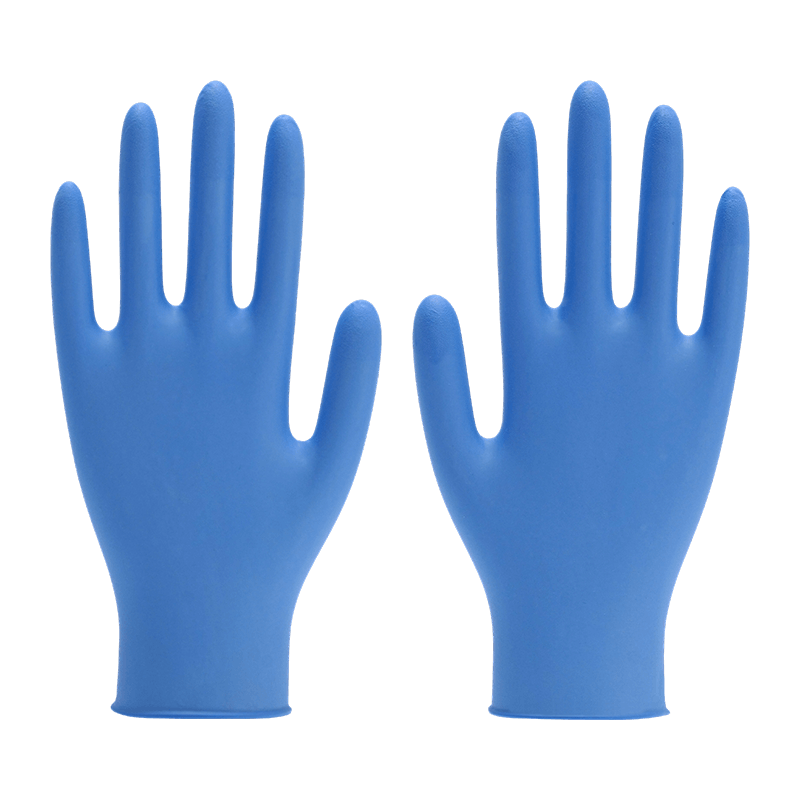
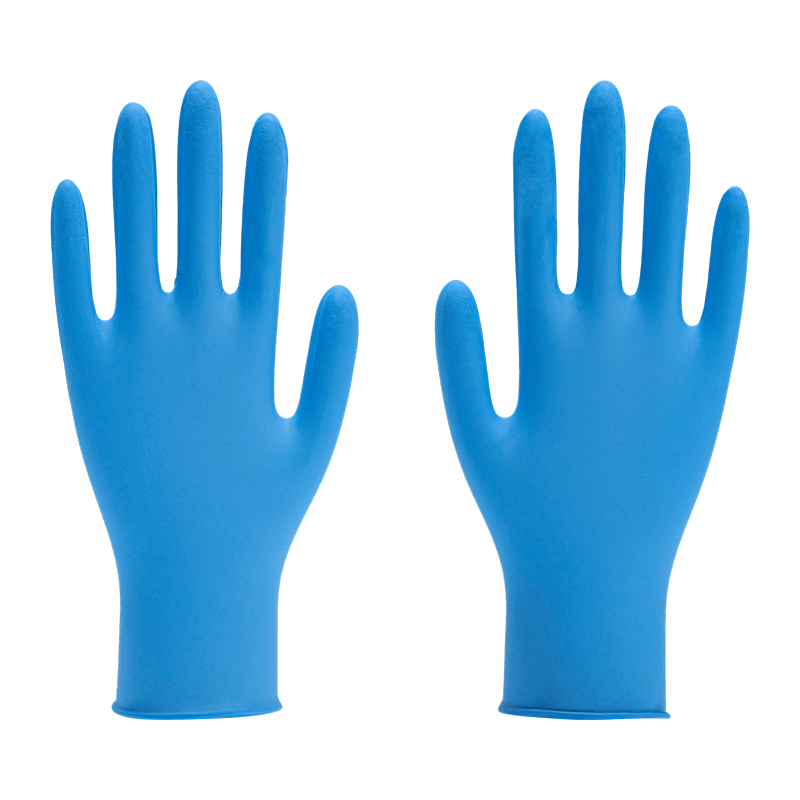
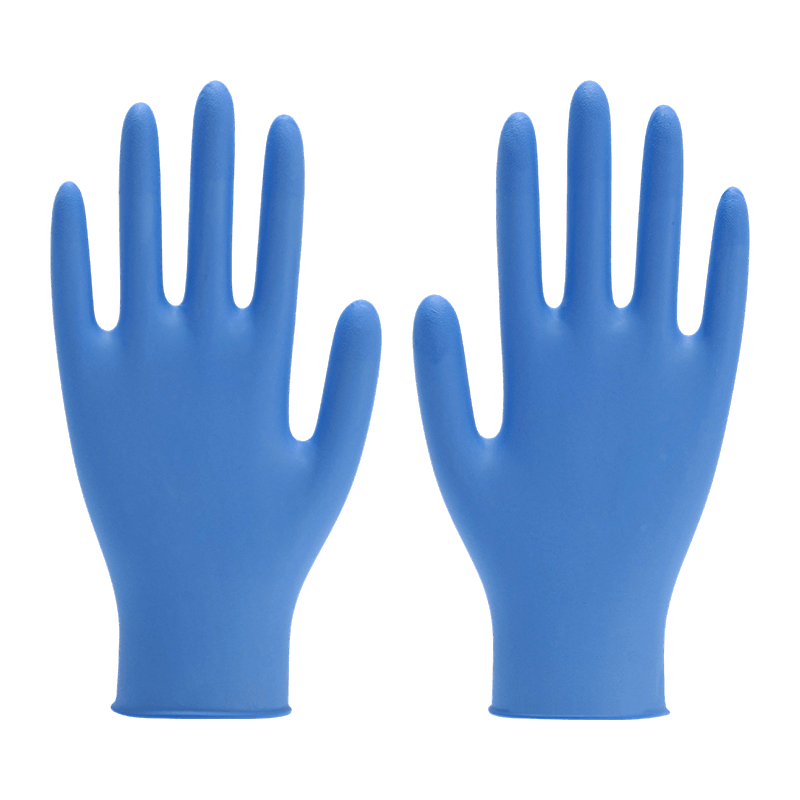
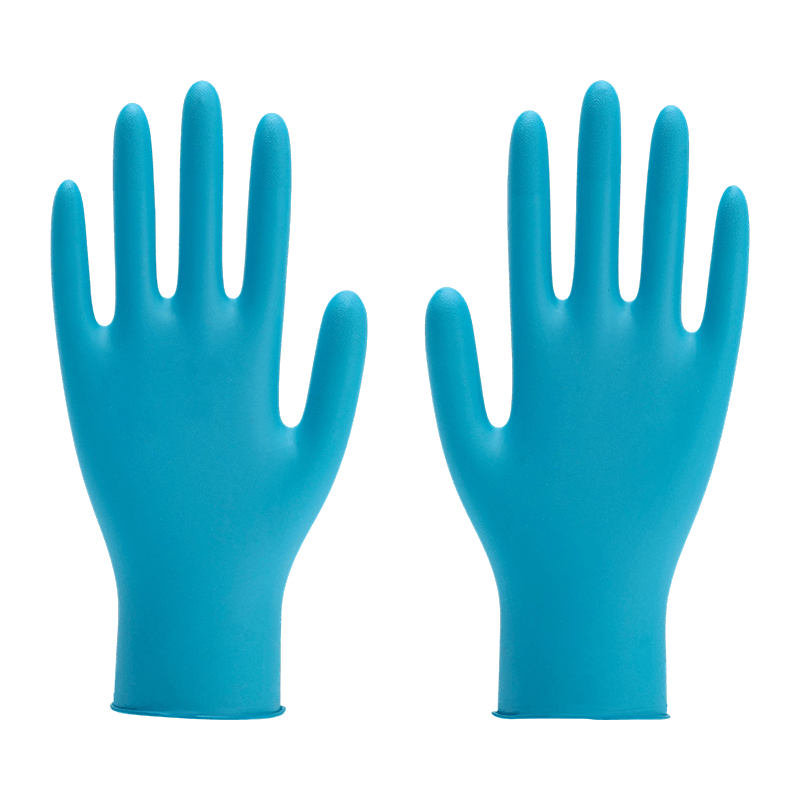
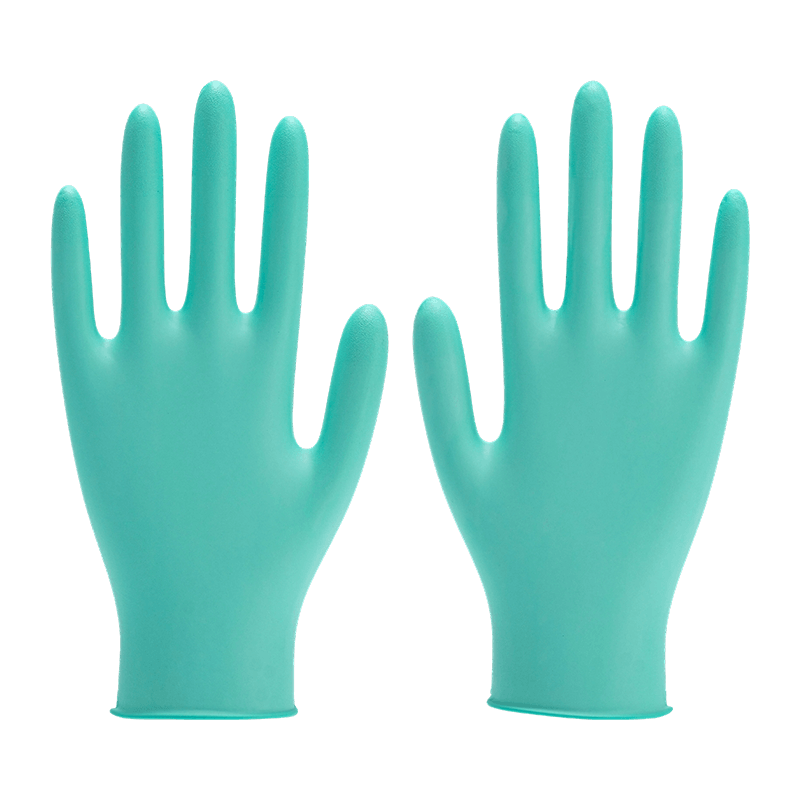
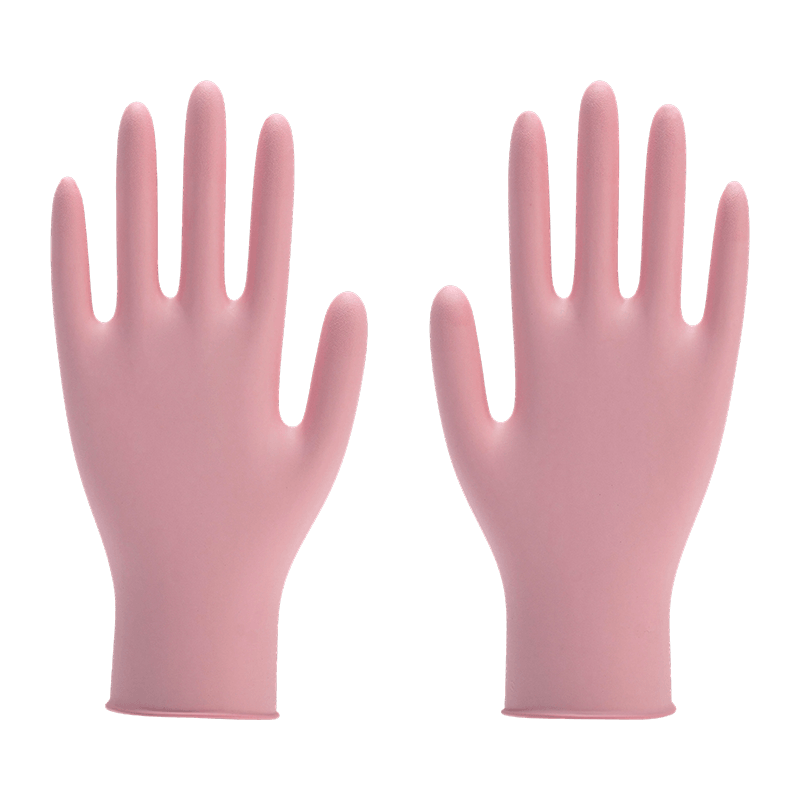
Choosing the right nitrile glove size does not have to feel like guesswork. In our years of producing examination, industrial, food-grade, and biosafety nitrile gloves, we have seen many buyers ask t...
READ MORE
News Category
Product Category
How Long Do Nitrile Gloves Last? Shelf Life, Storage Tips & Expiry Guide
Few questions reach our team as often as this one: how long do nitrile gloves actually last? As a manufacturer of medical examination gloves, we speak with purchasing managers every week who want a clear answer before committing to a bulk order. The honest reply is that nitrile gloves have two lifespans, one on the shelf and one on the hand, and both depend heavily on how the gloves are handled. This guide explains what to expect and how to protect your inventory from avoidable waste.
The Short Answer: Typical Shelf Life of Nitrile Gloves
When stored correctly in their original packaging, nitrile gloves typically last three to five years from the date of manufacture. Nitrile butadiene rubber is a synthetic material valued for its resistance to punctures, oils, and a wide range of chemicals, and it holds its elasticity and barrier properties longer than natural rubber latex under the same conditions. That said, no polymer lasts forever. The curing agents and stabilizers inside a glove break down slowly over time, which is why even a pristine, unopened box will not stay perfect indefinitely.
You may have noticed that many glove boxes carry no expiration date at all. Manufacturers with mature quality systems validate shelf life through accelerated aging tests, so the printed production date becomes your true reference point. A sensible habit for any facility is to treat that date as the start of the clock and plan consumption against it.
Shelf Life Versus Time in Use: Two Different Clocks
There is a real difference between how long a glove lasts in the box and how long it lasts on your hand, and mixing up the two leads to poor purchasing and safety decisions.
How Long a Glove Lasts During Use
Nitrile gloves are single-use products, so their working lifespan is measured in hours at most. In clinics, gloves are changed between patients and procedures. In food handling, they are changed when switching tasks to prevent cross-contamination. In industrial work, a sturdy glove may survive a full shift, but any sign of tearing, swelling, or sticky residue means it should come off immediately. Even tough nitrile weakens after prolonged contact with aggressive solvents, so a chemical splash shortens that glove's effective life sharply.
How Long a Glove Lasts in Storage
In storage the clock runs far more slowly, which is exactly why stock rotation matters. A case kept in a cool, dry storeroom can perform like new after two years, while the same case left on a sunny windowsill above a running motor can age badly within months.
What Shortens the Life of Nitrile Gloves?
After years of walking factory floors and storerooms, we can usually guess what aged a batch of gloves before we even open the box. The most common culprits are summarized below.
| Factor | Effect on the Glove | What to Do |
|---|---|---|
| Ozone and exhaust fumes | Cause fine surface cracking, especially at stretched areas | Keep gloves away from motors, chargers, and vehicle exhaust |
| Direct sunlight and UV light | Harden and discolor the material over time | Store sealed boxes away from windows and skylights |
| Heat above about 30°C (86°F) | Speed up chemical aging and elasticity loss | Choose cool, climate-stable storage rooms |
| High humidity | Weaken cartons and packaging integrity | Keep storage dry, ideally below 65% relative humidity |
| Oils, solvents, and sharp edges | Cause swelling, punctures, and tears during use | Match the glove to the task and change it frequently |
| Opened or damaged packaging | Expose gloves to air, light, and contaminants | Reseal partly used boxes or switch to dispensers |
Ozone deserves a special mention because it is invisible and easily overlooked. It comes from everyday equipment such as electric motors, battery chargers, and aging fluorescent fixtures, and it attacks rubber far more aggressively than ordinary air, so gloves stored nearby can develop fine cracking long before their production dates suggest any problem.
How to Store Nitrile Gloves the Right Way
Protecting your gloves requires nothing exotic. The habits below make a three-to-five-year shelf life entirely realistic:
- Keep gloves in their original sealed packaging until the moment of use.
- Store boxes in a cool, dry room, ideally between 10°C and 25°C (50°F to 77°F).
- Keep inventory out of direct sunlight and away from windows and skylights.
- Maintain distance from ozone sources such as motors, compressors, and older fluorescent lighting.
- Rotate stock first in, first out, so older boxes are consumed before newer arrivals.
- Avoid stacking cartons so high that lower boxes are crushed or compressed for months.
- Never store gloves beside solvents, fuels, or chemicals that can migrate through packaging.
These rules apply just as much to a single case in a clinic cupboard as to pallet loads in a distribution center.
Signs Your Nitrile Gloves Have Passed Their Best
Aging nitrile rarely fails without warning. Long before a glove tears on the job, it usually shows signs you can catch with routine checks:
- Brittleness or stiffness when the material is flexed
- Loss of elasticity, so the cuff no longer snaps back
- Yellowing, uneven fading, or other discoloration
- Fine cracks that appear when the glove is stretched
- Tears that start easily at the cuff or fingertip
If you spot these signs in stored boxes, inflate a few sample gloves by hand and check for leaks or weak spots. For hygiene-critical work such as medical examination or laboratory testing, treat suspect stock as expired and remove it from critical use. For lighter, lower-risk tasks it may still serve, but never gamble with barrier protection.
How Nitrile Gloves Age in Different Work Settings
Where a glove works also shapes how long it lasts. Nitrile has become the default barrier across healthcare, industry, and food production because it copes with such a wide range of hazards, yet every setting punishes gloves differently.
Medical and Laboratory Work
Examination gloves here run short but frequent duty cycles, and repeated contact with alcohol-based disinfectants can dry the material over a long shift. A well-fitting, powder-free glove with reliable tactile sensitivity encourages staff to change gloves promptly instead of over-stretching a worn pair. Many clinics favor 12-inch medical powder-free nitrile gloves in size L for the extra cuff coverage during longer procedures.
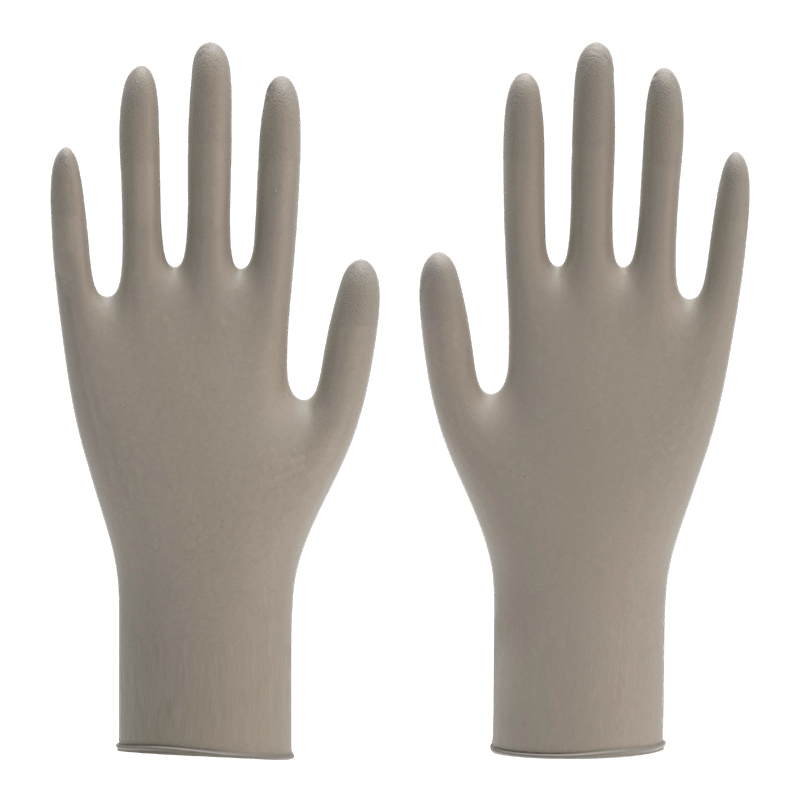 12 inch L Medical Powder-Free Nitrile GlovesColors and weights are customizable (dimensions remain unchanged; specific weight customization ranges from 3 to 6.8 grams).View Product →
Industrial and Mechanical Work
Industrial gloves face oils, friction, and sharp edges all day, so thickness and surface texture matter enormously. Fully textured surfaces hold up measurably better against abrasion than thin, smooth ones. For assembly lines and maintenance crews, 9-inch industrial powder-free nitrile gloves in size M are a dependable everyday choice.
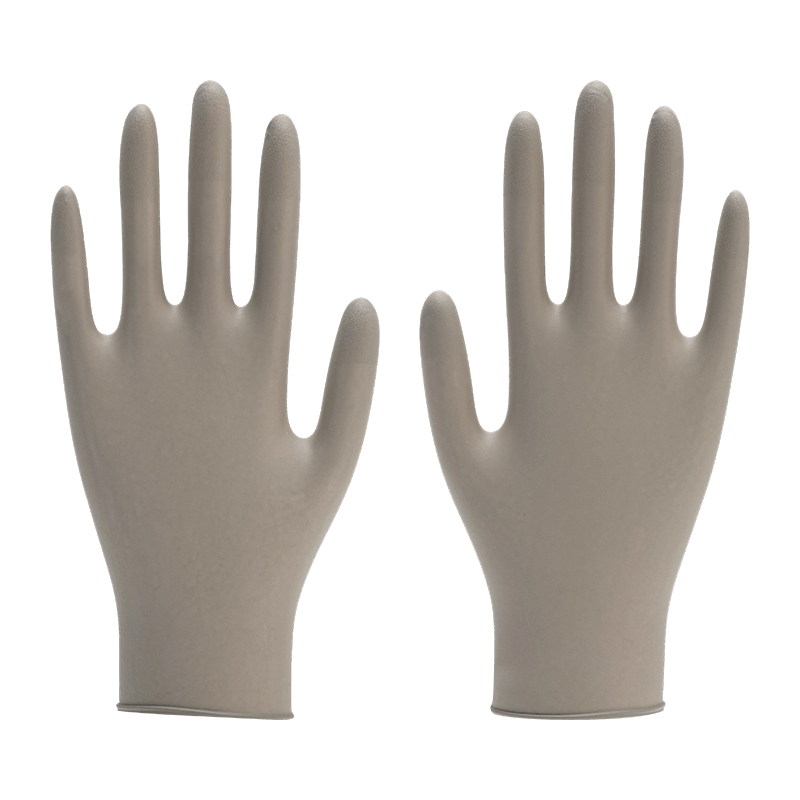 9 inch M Industrial Powder-Free Nitrile GlovesColors and weights are customizable (dimensions remain unchanged; specific weight customization ranges from 3 to 6.8 grams).View Product →
Food Processing and Handling
Food environments combine moisture, fats, and constant glove changes. Nitrile's resistance to animal fats and vegetable oils gives it a clear edge, and powder-free food-grade models keep handling clean. For wet or large-scale work, longer 12-inch food-grade powder-free gloves help stop water from running into the cuff.
12 inch L Food-Grade Powder-Free Nitrile GlovesColors and weights are customizable (dimensions remain unchanged; specific weight customization ranges from 3 to 6.8 grams).View Product →Shelf-Life Advice for Bulk Buyers
If you purchase gloves by the case or the container, a few procurement habits will save real money and headaches:
- Ask your supplier for the production date and shelf-life documentation at the quoting stage.
- Label incoming cartons with arrival dates so rotation never depends on memory.
- Match order quantities to realistic consumption, and store the buffer correctly rather than wherever space happens to be free.
- Inspect a random sample from every incoming batch, because a two-minute check can protect an entire delivery.
- When weighing durability against price, our buyer's guide to nitrile glove types and thickness explains how thickness, texture, and finish affect performance.
As a manufacturer, we run climate-controlled production lines with strict batch consistency precisely so that the gloves arriving at your warehouse begin with the longest possible working life ahead of them.
The Bottom Line on Nitrile Glove Longevity
So, how long do nitrile gloves last? Expect roughly three to five years on the shelf when storage is kind, and a single task or shift in use. The lifespan you actually get is largely in your hands: keep gloves cool, dry, and dark, keep them away from ozone, rotate your stock, and inspect before critical work. If you are planning inventory for medical, industrial, food, or biosafety applications, the team behind our medical examination gloves line is glad to help you match the right specifications to your conditions.
Featured Products
Recommended Products
News
-
-
If you buy disposable gloves in bulk, you have probably asked a supplier a very simple question and received a rather slippery answer: how many gloves are in a case? The honest short answer is usuall...
READ MORE -
Bottom line first Nitrile gloves are now the dominant choice for medical use across most healthcare settings — offering latex-level barrier protection without allergy risk, broader chemical resista...
READ MORE -
If you buy disposable gloves by the case, the moment of truth happens the first time a glove fails. The puncture, torn cuff, or stiff film is not an isolated accident. It is the visible result of a c...
READ MORE
Get A Free
Custom Quote!
Custom Quote!

We are committed to providing integrated solutions for nitrile gloves and non-woven products.
Get a Quote
Disposable Gloves
Quick Links
E-mail
gatherlucky-sales5@nt-huifu.com
Call Us
+86-18012229099
+86-18012229096
+86-18012229099
AddressNo.7 Wenzhou Road,Economic Development Zone,Shuyang County,Suqian, Jiangsu Province, China, 223600
copyright © Jiangsu Complete Sincerity Medical New Materials Co.,Ltd. All rights reserved.
 Registration Number: 2021200 / 2021200
This website is intended for users outside of China