
 English
 Español
 日本語
 русский
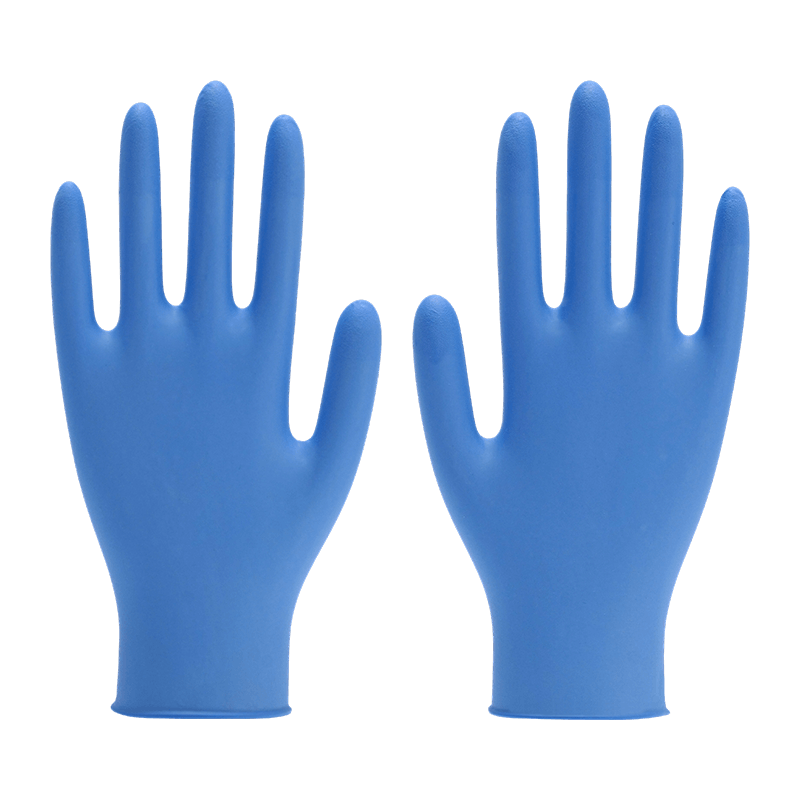
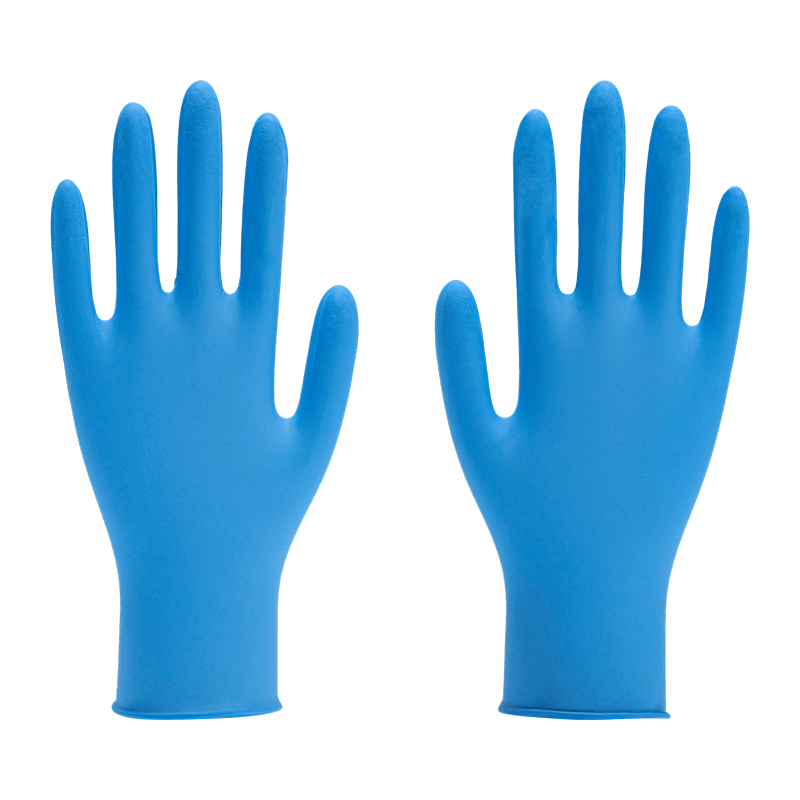
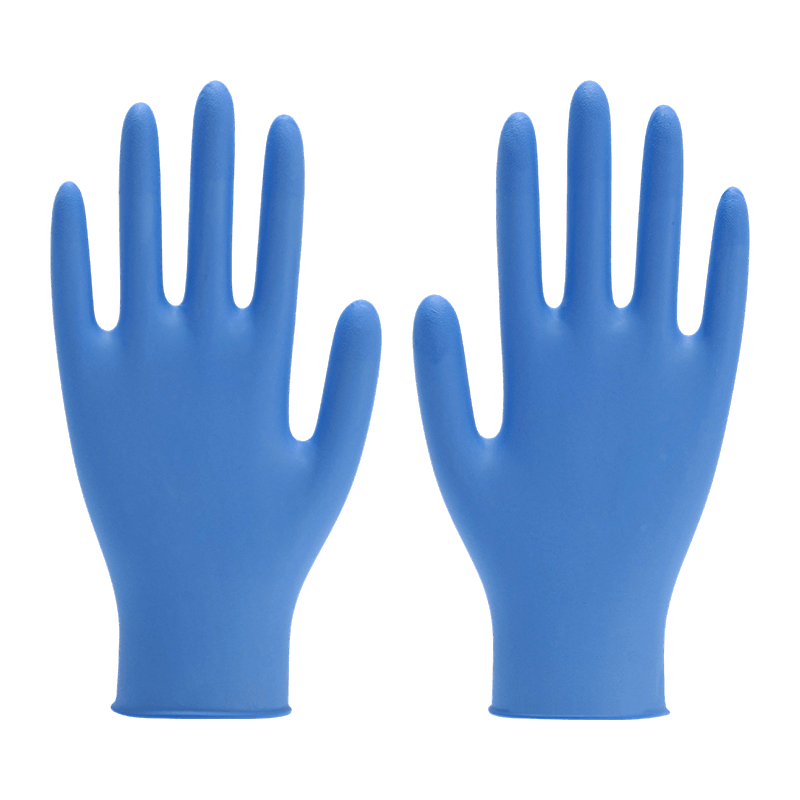
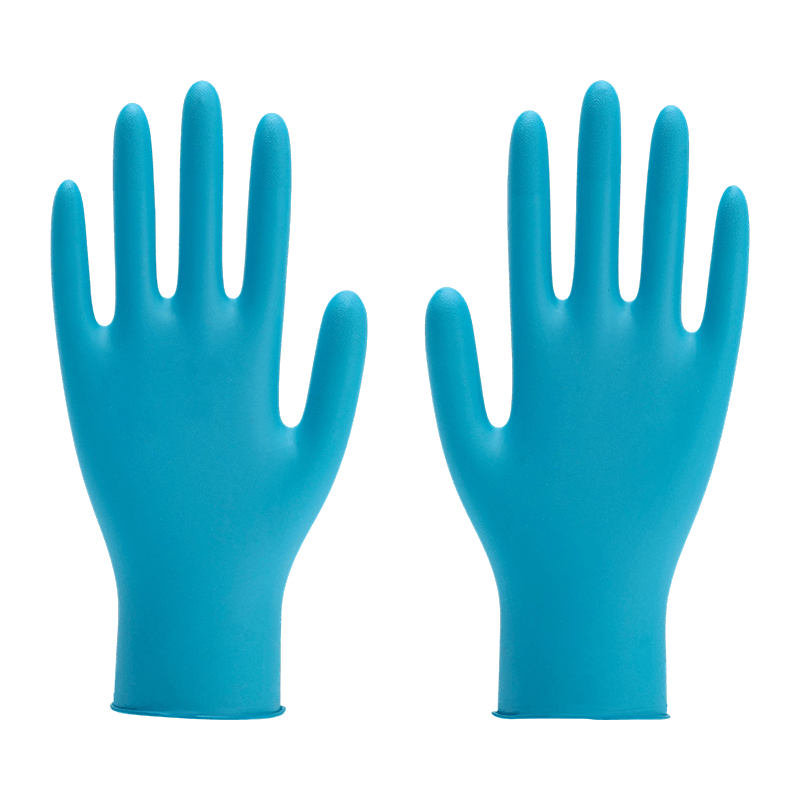
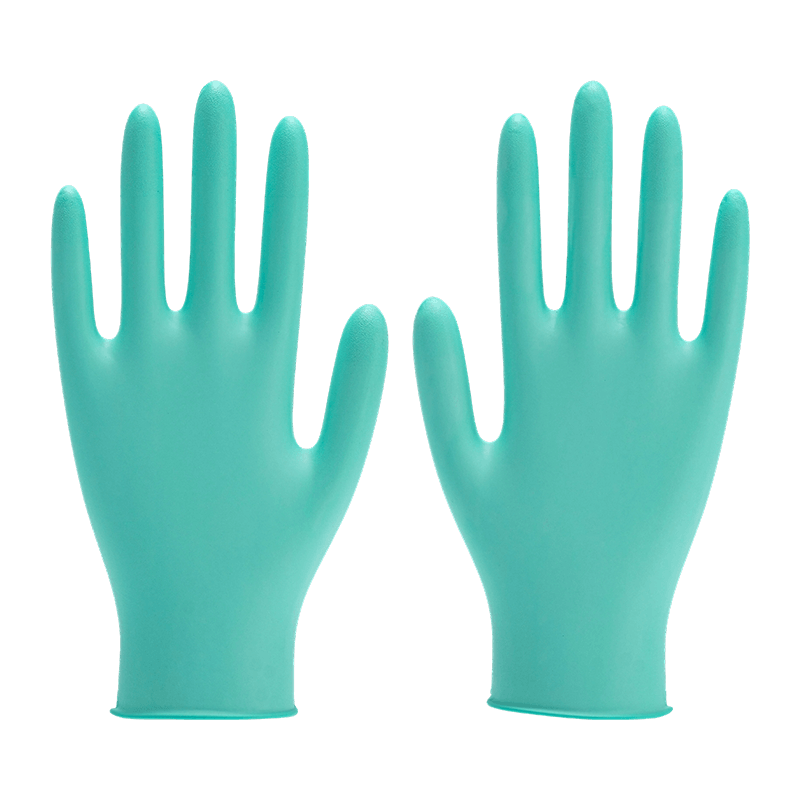
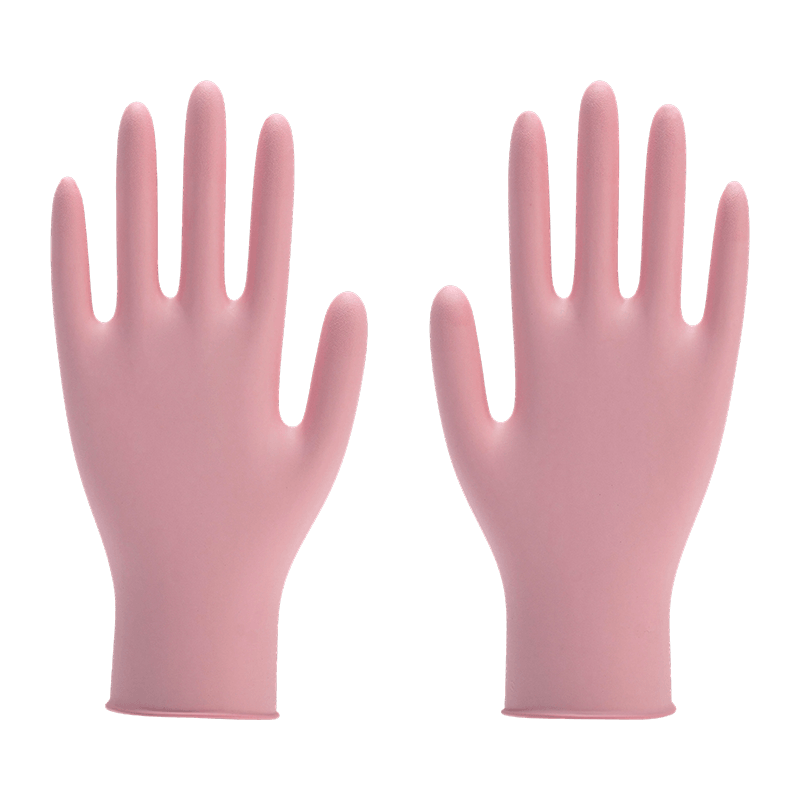
Ask anyone who handles procurement for a hospital, a food plant, or a workshop, and they will tell you that one of the first questions buyers ask is simple: how many nitrile gloves in a box? It sound...
READ MORE
News Category
Product Category
how to measure glove thickness: Applications, Selection Criteria, and Practical Guidance
Content
Glove thickness is one of those specifications that appears on every product sheet yet rarely gets explained. You see a number like 5 mil, assume it relates to protection, and move on. But when you are sourcing gloves for a hospital, a food-processing line, or an industrial shop floor, knowing how to measure glove thickness — and what the figure really means — can save you from overpaying for unnecessary bulk on one side and underestimating the protection your team needs on the other. Procurement teams, safety officers, and quality inspectors all benefit from understanding the measurement behind the number. This guide walks through the units, the measurement methods, and the practical decisions that follow.
What Does Glove Thickness Mean?
Glove thickness refers to the physical depth of the material layer, usually expressed in mils. One mil equals one-thousandth of an inch, or 0.0254 millimeters. A 5 mil nitrile glove is therefore 0.005 inches — about 0.127 millimeters — thick at the point of measurement. To put that in everyday terms, a standard sheet of office paper is roughly 4 mils, so a 5 mil glove is slightly thicker than a single sheet of paper.
Thickness is not perfectly uniform across the glove. The dipping process produces small natural differences between the palm, fingers, and cuff. Most manufacturers report palm thickness as the standard reference, and that is the figure you will see on product certificates and quote sheets. When comparing gloves from different suppliers, asking whether the stated mil value is a palm reading, an average, or a minimum can help you avoid mismatched expectations.
How to Measure Glove Thickness
Two practical approaches cover most situations: direct measurement with a micrometer, and gram weight as a quick proxy. Each has its place.
Direct Measurement with a Micrometer
The most reliable method is a flat-anvil micrometer or digital caliper. A simple step-by-step process looks like this:
- Flatten a single layer of the glove on a clean, hard surface.
- Zero the micrometer or caliper before taking any readings.
- Place the palm section between the anvils.
- Close gently until light contact is made — do not squeeze.
- Record the value, then repeat at least three times at different palm positions.
- Average the readings for a representative thickness.
The same process can be repeated at the index finger or cuff if you want a fuller profile of the glove. Textured areas will naturally read slightly higher than smooth areas, so stay consistent about where you place the anvils when comparing two products. Micrometers used for glove inspection should be calibrated regularly, and readings should be taken in a stable environment — extreme temperature or humidity can subtly affect both the material and the instrument. If you are working to a recognized product specification, refer to the test method cited in that standard so your measurement points match what the laboratory used.
Gram Weight as a Practical Proxy
Not everyone carries a micrometer in their kit, and that is where gram weight comes in. Because nitrile compound has a consistent density, the weight of a glove in a given size and length tracks closely with its average thickness. A 5 mil medium glove will weigh noticeably more than a 3 mil medium of the same style. This makes gram weight a popular check for warehouse receiving and supplier audits: all you need is a simple scale and a small sample from the shipment. If you weigh ten gloves from a carton and divide by ten, the result is a reliable signal that the product matches its documented specification.
Thickness Ranges at a Glance
To make the numbers more concrete, here is how common thickness ranges align with typical workloads.
| Thickness Range | What It Feels Like | Typical Applications |
|---|---|---|
| 3–4 mil | Light, highly tactile | Food preparation, light cleaning, handling small parts |
| 5–6 mil | Balanced, durable yet dexterous | Medical examinations, laboratory work, assembly and inspection |
| 8 mil and above | Heavy, robust barrier | Chemical handling, mechanical tasks, demanding industrial work |
Notice that thicker is not automatically better. A heavy glove that dulls fingertip sensitivity can be a hindrance in precision work, while a thin glove offers only limited resistance to chemicals or rough surfaces. The right thickness follows the task.
From the manufacturer's side, thickness consistency is a marker of process control. On our production lines, samples are pulled at regular intervals and checked at the palm, the finger, and the cuff. Those three values tell us quickly whether the dipping parameters are stable. For a buyer ordering by the pallet, that consistency matters more than any single number on a spec sheet.
Matching Thickness to Your Work
In medical environments, tactile feedback is as important as barrier strength. A 5 mil powder-free examination glove offers a well-tested balance: enough protection against fluids and pathogens for routine procedures, and enough sensitivity for gloved hands to feel what they are doing.
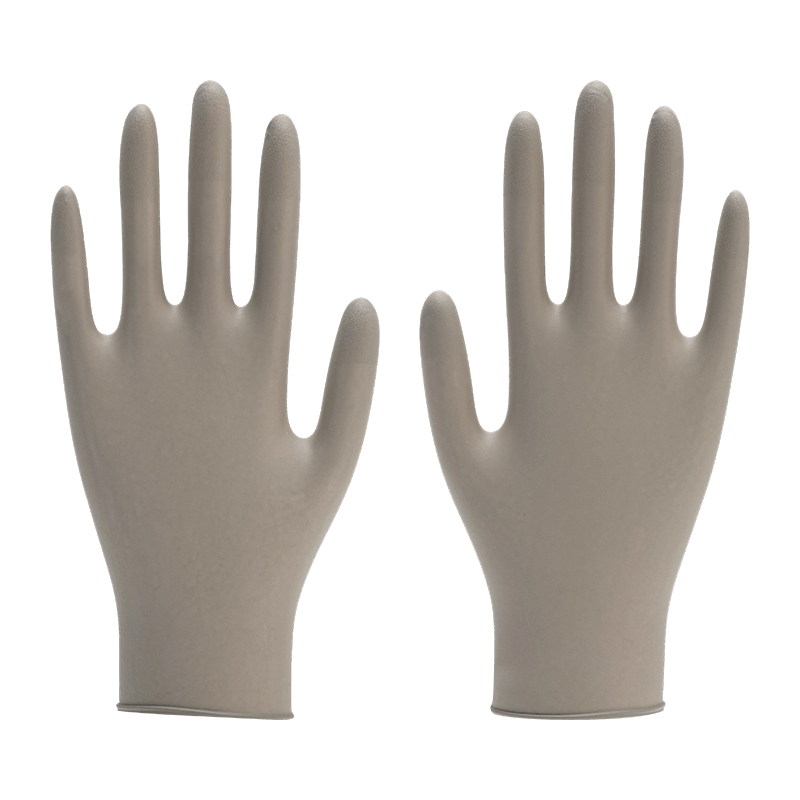 9-Inch Powder-Free Nitrile Medical Exam GlovesThis medical-grade nitrile glove offers a balanced 5 mil barrier for routine exams, combining fluid protection with enough tactile sensitivity for precise procedures.View Product →
Industrial tasks like handling parts, painting, or working near chemicals push most teams toward the heavier end of the range. The added material improves puncture resistance and extends wear time, which means fewer glove changes and less waste over a shift.
9-Inch Industrial Textured Nitrile Work GlovesDesigned for heavy-duty tasks, this fingertip-textured nitrile glove provides enhanced grip and puncture resistance, reducing waste with longer wear time.View Product →
Food processing brings its own logic. Sorting, packing, and preparation work rarely demand a thick glove, but they do require a reliable barrier that will not leave residue or compromise food safety. A 3 to 4 mil food-grade glove keeps hands comfortable through long hours while fulfilling hygiene requirements.
9-Inch Food-Grade Powder-Free Nitrile GlovesSafe for food handling, this powder-free glove delivers a hygienic barrier without residue, keeping hands comfortable during long sorting and packing shifts.View Product →
Laboratory and bio-containment work sits in a similar middle zone. Five to six mil gloves are common there, often with a textured surface, because grip becomes critical when handling vials, pipettes, and instruments repeatedly throughout the day.
Thickness Is Not the Whole Story
Thickness tells you how much material is there, but it does not tell you everything about performance. Surface texture plays a major role in grip: a textured or fingertip-textured glove can outperform a smooth glove of the same thickness in wet or oily conditions. Length matters too — a 12-inch cuff extends protection up the wrist, while a 9-inch glove covers most daily tasks. Powder treatment affects how easily gloves go on and whether powder residue is acceptable in your environment. When comparing products, look at the complete picture: material, thickness, texture, length, and sizing. Our detailed breakdown of nitrile glove types and thickness offers a closer look at how these factors interact, and you can browse our full product range to see how the specs translate into real glove options.
In practice, a simple scale and a few palm measurements will tell you whether a shipment matches its documentation. For routine examinations and food handling, lighter gloves are usually the sensible choice. For demanding industrial or chemical work, step up the thickness. And when a supplier makes a thickness claim, ask how it was measured — the answer says a lot about how much they understand their own product. We have spent years manufacturing nitrile gloves at our facility, and we know that the details are what build trust. Thickness measurement is one detail worth getting right.
Featured Products
Recommended Products
News
-
-
If your hands itch, sting, or break out after wearing nitrile gloves, you may be wondering how to test for a nitrile allergy. The first thing to know is that a glove reaction is not always an allergy...
READ MORE -
In our years of producing nitrile gloves for medical, industrial, food and biosafety customers, the question buyers ask most often is about thickness. Can you reliably tell a 4 mil glove from a 6 mil...
READ MORE -
Choosing the right disposable glove size is one of those small decisions that makes a big difference once you are actually wearing them. A glove that fits well lets you work comfortably for hours, ke...
READ MORE
Get A Free
Custom Quote!
Custom Quote!

We are committed to providing integrated solutions for nitrile gloves and non-woven products.
Get a Quote
Disposable Gloves
Quick Links
E-mail
gatherlucky-sales5@nt-huifu.com
Call Us
+86-18012229099
+86-18012229096
+86-18012229099
AddressNo.7 Wenzhou Road,Economic Development Zone,Shuyang County,Suqian, Jiangsu Province, China, 223600
copyright © Jiangsu Complete Sincerity Medical New Materials Co.,Ltd. All rights reserved.
 Registration Number: 2021200 / 2021200
This website is intended for users outside of China