
 English
 Español
 日本語
 русский
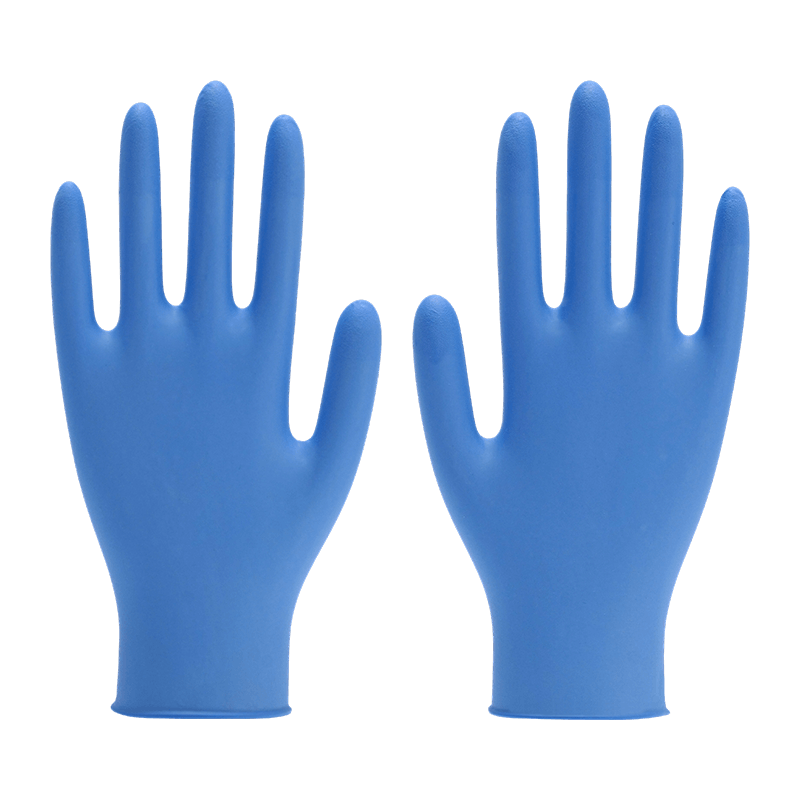
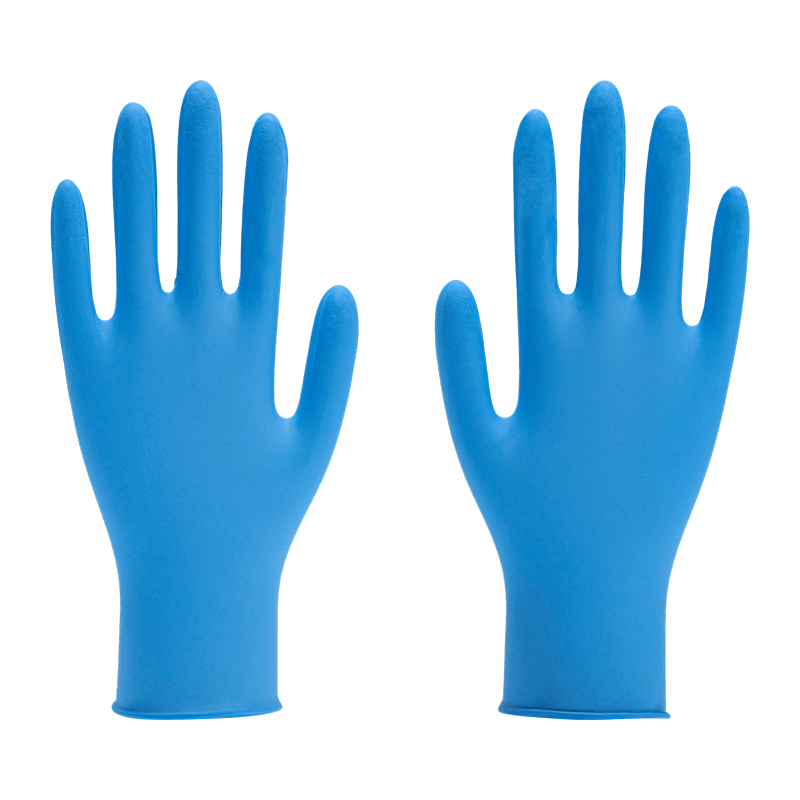
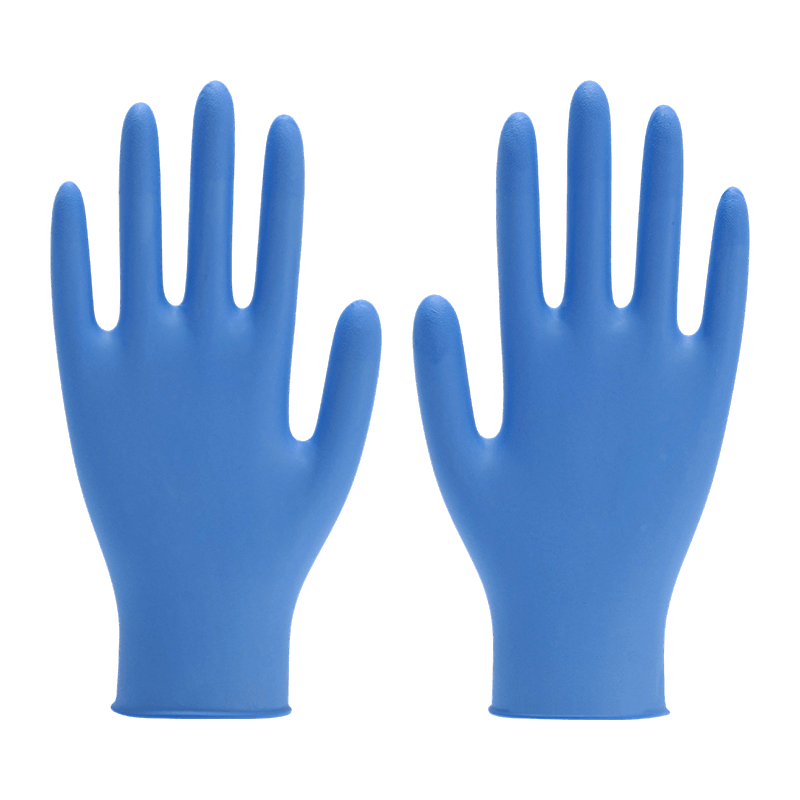
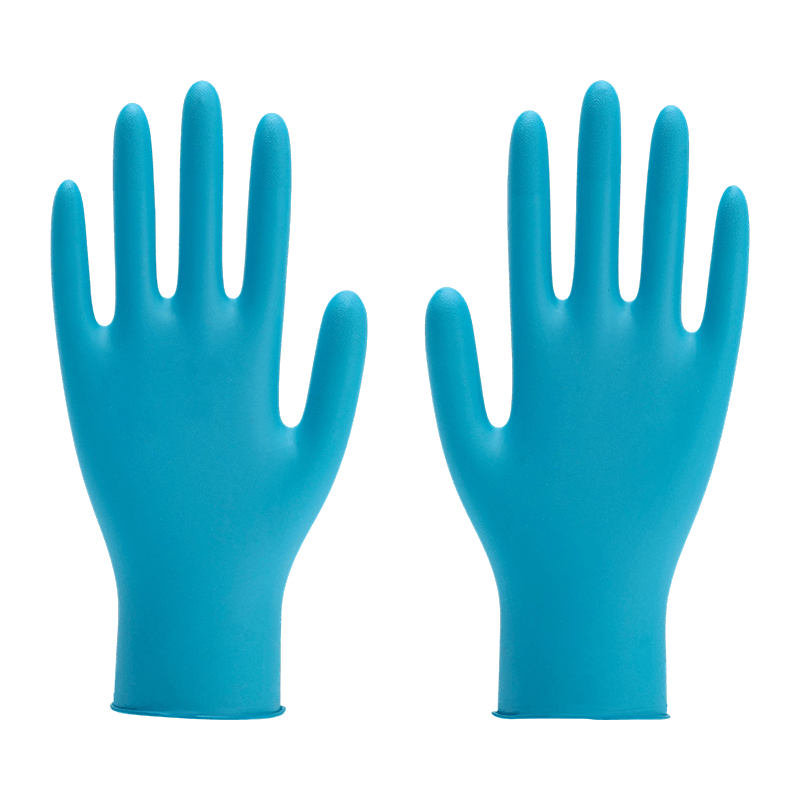
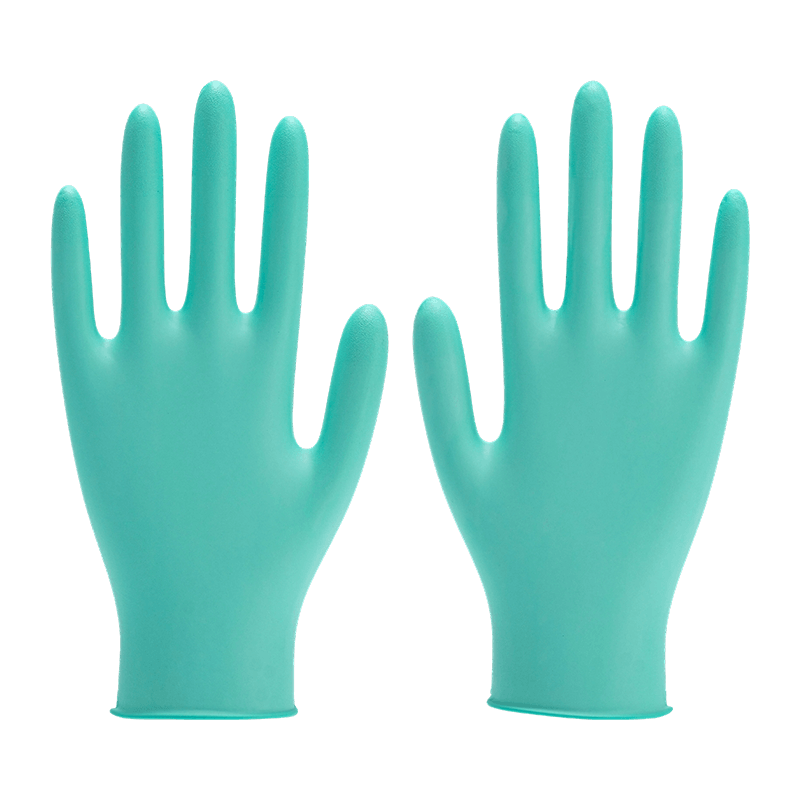
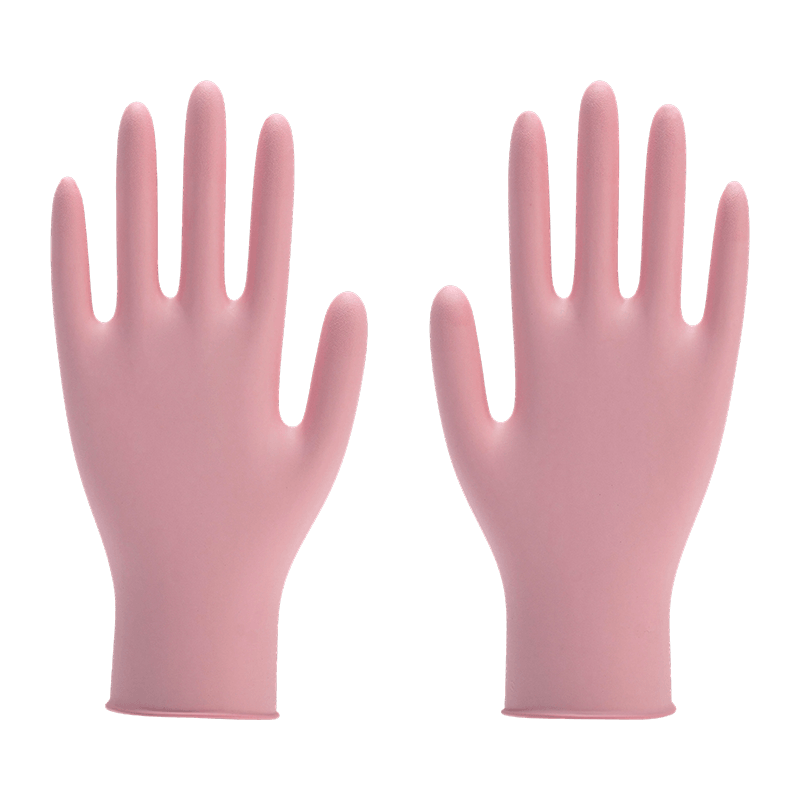
Choosing the right disposable glove size is one of those small decisions that can make a surprisingly big difference on the job. A glove that fits well feels secure, allows natural hand movement, and...
READ MORE
News Category
Product Category
How to Determine Latex Glove Size: Measure Hands, Choose the Right Fit
Choosing the right disposable glove size is one of those small decisions that makes a big difference once you are actually wearing them. A glove that fits well lets you work comfortably for hours, keeps your hands properly protected, and spares you the frustration of torn cuffs and clumsy fingers. A glove that does not fit can slow you down, cause hand fatigue, or simply fail when you need it most.
If you have been wondering how to determine latex glove size, the good news is that the process is straightforward. With a tape measure, a few minutes, and a simple size chart, you can find the right fit — whether you are buying latex, nitrile, or another disposable glove material.
Why Finding the Right Glove Size Matters
Getting the size right is about more than comfort, although comfort is certainly part of it. The right fit directly affects how well a glove performs its job.
In medical and laboratory settings, a properly fitted glove provides the tactile sensitivity needed for delicate procedures. In industrial work, a glove that fits well improves grip and reduces the risk of hand fatigue during repetitive tasks. In food handling, a comfortable fit encourages workers to change gloves as often as hygiene requires.
Conversely, a glove that is too small can restrict circulation, cause cramping, and tear more easily when the material is overstretched. A glove that is too large can bunch at the fingertips, making precise handling difficult and increasing the chance of accidental exposure. Taking a few minutes to confirm your size helps you avoid all of these problems.
How to Measure Your Hand for Glove Size
Before you consult any size chart, you need two measurements: the circumference of your palm and the length of your hand. Both are quick to take and only require a flexible measuring tape.
- Measure the circumference of your dominant hand around the widest part of your palm, just below the knuckles and excluding your thumb. Keep the tape snug but not tight.
- Measure the length of your hand from the tip of your middle finger to the base of your palm, where it meets the wrist crease.
- Note both measurements in millimeters or inches, depending on the unit used by the size chart you will consult.
- Compare your numbers against the manufacturer's sizing guide.
- If your measurements fall between two sizes, choose the larger size for comfort, or the smaller size when you need maximum dexterity and a snug fit.
Glove Size Chart
The table below shows typical sizing ranges used for disposable latex and nitrile gloves. Sizing conventions can vary slightly from one manufacturer to another, so treat these values as a reliable starting point and always check the specific product page when available.
| Glove Size | Palm Circumference (mm) | Palm Circumference (in) | Typical Hand Length (mm) | Common Use |
|---|---|---|---|---|
| XS | 150–160 | 6.0–6.3 | 160 | Precision tasks, smaller hands |
| S | 160–175 | 6.3–6.9 | 170 | Light medical and food handling |
| M | 175–190 | 6.9–7.5 | 180 | The most commonly requested size |
| L | 190–205 | 7.5–8.1 | 190 | General and industrial work |
| XL | 205–220 | 8.1–8.7 | 200 | Larger hands, heavier tasks |
| XXL | 220–235 | 8.7–9.3 | 210 | Extra-large hands, layered protection |
Does the Material Change How You Choose a Size?
Glove size is determined by your hand measurements, not by the material. The same XS to XXL scale applies whether you are choosing latex or nitrile gloves. That said, the material does influence how a glove feels once it is on.
Latex is highly elastic and tends to conform closely to the hand, so many wearers find that it feels snugger than nitrile at the same nominal size. Nitrile gloves, especially industrial grades, offer slightly less stretch in some formulations. If you are used to latex and are switching to nitrile, you may want to stay with your usual size first, or go up a size if the fit feels restrictive.
Beyond fit, nitrile is latex-free, making it the preferred choice for anyone with a latex sensitivity, and it offers excellent resistance to punctures, oils, and many chemicals. You can browse our complete range of nitrile gloves to see options available in sizes from XS through XXL.
Common Glove Sizing Mistakes to Avoid
Even with a clear chart in hand, people often repeat the same mistakes when choosing a glove size. Here are the ones we see most often:
- Guessing from memory or borrowing a colleague's size instead of measuring your own hand.
- Measuring at the wrong point, such as across the knuckles or including the thumb, which skews the result.
- Assuming that the same size fits identically in every brand and material; slight variations are normal.
- Checking only the dominant hand and ignoring the other, which may be larger or smaller.
- Overlooking the task at hand. A snug fit works well for fine work, while a roomier fit may be more practical for heavy handling.
Sizing for Different Work Environments
Different jobs place different demands on a glove, and that should be reflected in how you size up for the task.
Medical and Examination Settings
The priority here is tactile sensitivity and reliable barrier protection. A snug, well-fitted glove lets you feel what you are doing without excess material getting in the way. For most users, that means choosing the size that matches the palm circumference measurement closely, leaving little extra room.
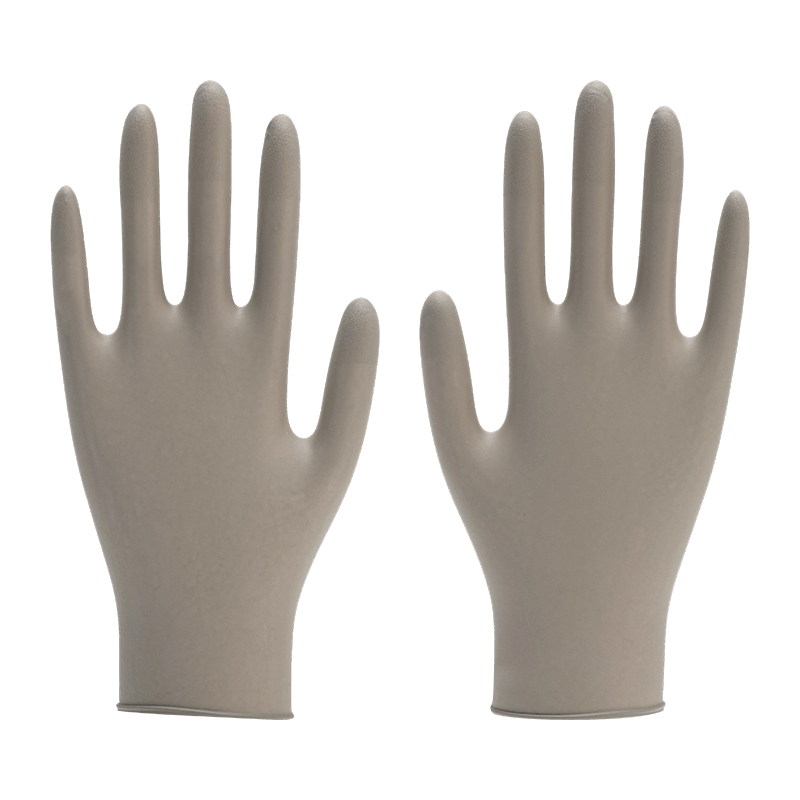 9-inch Medium Powder-Free Nitrile Medical GlovesSnug-fitting medical gloves with reliable barrier protection and tactile sensitivity, ideal for examination use where precise feel matters.View Product →
Industrial Work
Durability and grip matter more than fine touch sensitivity in industrial settings. Many workers prefer a slightly roomier glove to reduce hand fatigue during long shifts, especially when the glove features a textured finish for better control of tools and components.
9-inch Large Industrial Textured-Fingertip Nitrile GlovesDurable, roomier gloves with fingertip texture for enhanced grip, designed to reduce hand fatigue during demanding industrial shifts.View Product →
Food Processing and Service
Because gloves are changed frequently throughout a shift, a comfortable fit that allows quick donning is essential. Avoid sizing that is too tight, as repeated changes become slow and uncomfortable, and a slightly relaxed fit makes the workflow smoother.
9-inch Medium Food-Grade Powder-Free Nitrile GlovesFood-safe gloves sized for a comfortable, slightly relaxed fit, suitable for frequent changes and all-day food handling work.View Product →What to Do When You Are Between Two Sizes
If your measurements put you right on the edge between two sizes, start with the larger option in most cases. A slightly generous fit is safer for all-day wear because it leaves room for natural hand movement and helps prevent the fatigue that comes from a glove that is too tight.
The exception is when you need maximum tactile sensitivity, such as in precision medical work or detailed assembly. In those situations, a snugger fit gives you better feedback and reduces the risk of the glove slipping or bunching. If possible, test both sizes and choose the one that feels secure without being restrictive.
Determining the right glove size is a small investment of time that pays off every time you put a pair on. Measure your hand, compare it against a reliable size chart, and keep the application in mind to make sure your gloves work as hard as you do.
If you are replacing latex gloves with nitrile, our buyer's guide to nitrile glove types and thickness is a useful next step as you compare options. And if you ever have questions about sizing, our team is glad to help you find the right fit.
Featured Products
Recommended Products
News
-
-
Choosing the right nitrile glove size does not have to feel like guesswork. In our years of producing examination, industrial, food-grade, and biosafety nitrile gloves, we have seen many buyers ask t...
READ MORE -
Few questions reach our team as often as this one: how long do nitrile gloves actually last? As a manufacturer of medical examination gloves, we speak with purchasing managers every week who want a c...
READ MORE -
If you buy disposable gloves by the case, the moment of truth happens the first time a glove fails. The puncture, torn cuff, or stiff film is not an isolated accident. It is the visible result of a c...
READ MORE
Get A Free
Custom Quote!
Custom Quote!

We are committed to providing integrated solutions for nitrile gloves and non-woven products.
Get a Quote
Disposable Gloves
Quick Links
E-mail
gatherlucky-sales5@nt-huifu.com
Call Us
+86-18012229099
+86-18012229096
+86-18012229099
AddressNo.7 Wenzhou Road,Economic Development Zone,Shuyang County,Suqian, Jiangsu Province, China, 223600
copyright © Jiangsu Complete Sincerity Medical New Materials Co.,Ltd. All rights reserved.
 Registration Number: 2021200 / 2021200
This website is intended for users outside of China