
 English
 Español
 日本語
 русский
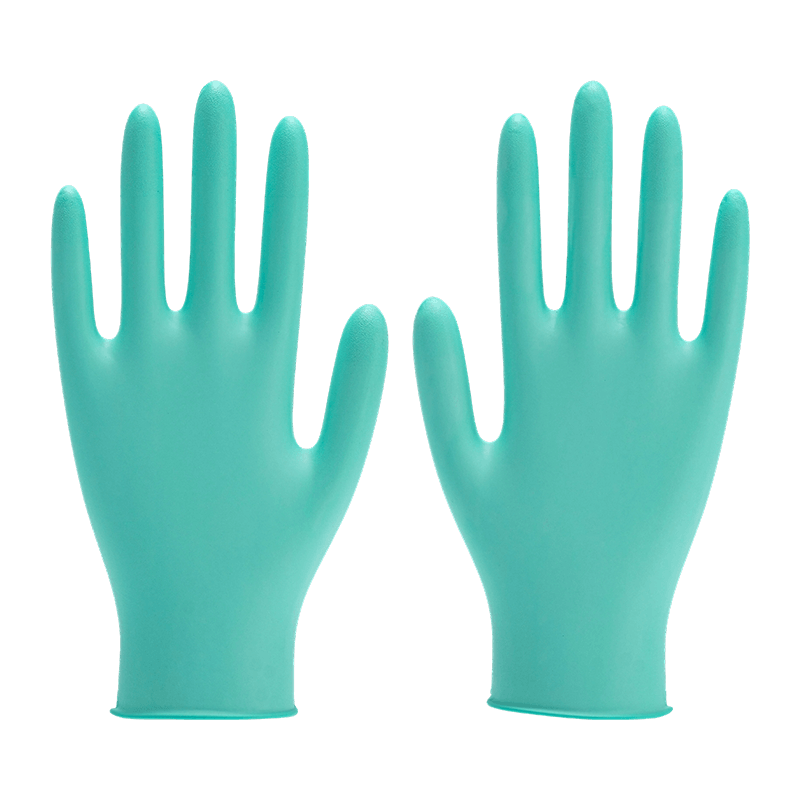
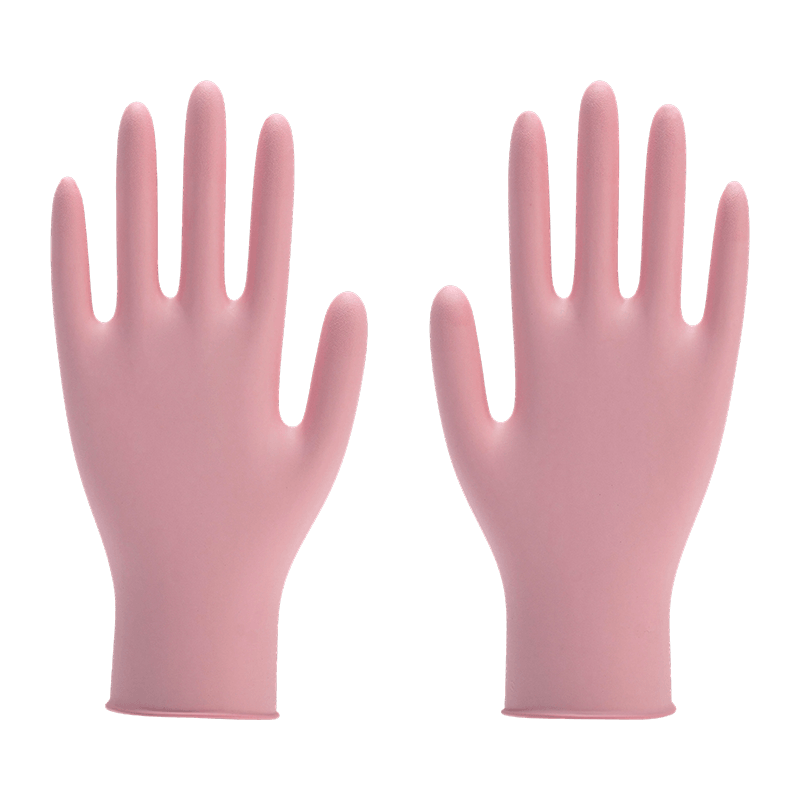
Choosing the right nitrile glove size does not have to feel like guesswork. In our years of producing examination, industrial, food-grade, and biosafety nitrile gloves, we have seen many buyers ask t...
READ MORE
News Category
Product Category
How to Determine Disposable Glove Size: A Practical Guide for Every Application
Choosing the right disposable glove size is one of those small decisions that can make a surprisingly big difference on the job. A glove that fits well feels secure, allows natural hand movement, and stays comfortable through a long shift. One that does not, whether it pinches at the palm or flaps at the fingertips, invites tears, fatigue, and even safety risks. Over years of manufacturing nitrile gloves for medical, industrial, and food-grade applications, we have learned that the question people ask most often is also the easiest to answer: how do you determine disposable glove size without guesswork? This guide walks through a simple three-step method that works no matter which brand or application you are buying for.
Why Getting the Size Right Matters
Fit is not just about comfort, although comfort matters for anyone wearing gloves for hours at a time. A glove that is too tight restricts circulation, speeds up hand fatigue, and creates stress points where the material tears early. It also reduces tactile sensitivity, which is critical in tasks that require precision, from handling small instruments to feeling for a seal on a container.
A glove that is too loose brings its own set of problems. The excess material wrinkles at the fingertips, makes grip less reliable, and increases the risk of the glove slipping mid-task. In medical and food environments, a loose glove can even compromise hygiene, because folds and gaps trap moisture or contaminants. Sizing, in other words, sits right at the intersection of safety, efficiency, and protection.
Step 1: Measure Your Hand
You do not need expert help or a special device, just a flexible tape measure and a couple of minutes. Measure your dominant hand, since it tends to be slightly larger.
Palm Circumference
- Wrap the tape around the widest part of the palm, just below the knuckles and below the base of the thumb.
- Keep your hand relaxed, with fingers naturally together rather than spread wide.
- Read the value in centimeters and round up to the nearest whole number.
Hand Length
- Place the tape at the crease of the wrist, where the hand meets the forearm.
- Run it to the tip of the middle finger, keeping the hand straight.
- Write the number down next to your palm measurement.
Most sizing charts treat palm circumference as the primary number and hand length as a secondary check. If your hand is unusually long or wide, choose the size indicated by the larger of the two measurements. It is always safer to size up than to squeeze into a glove that will tug at the seams.
Step 2: Compare with a Sizing Chart
Once you have both numbers, compare them with a sizing chart. The ranges below reflect the standards commonly used in disposable nitrile glove production. They are a reliable starting point, but treat them as guidance rather than an absolute rule.
| Size | Palm Circumference (cm) | Hand Length (cm) | Typical User Profile |
|---|---|---|---|
| XS | under 16 | under 17 | Small hands or users who prefer a snug fit |
| S | 16-18 | 16-18 | Slim to average adult hands |
| M | 18-20 | 18-20 | The most common adult size |
| L | 20-23 | 20-22 | Larger or wider hands |
| XL | 23-26 | 22-24 | Wide hands and longer fingers |
| XXL | over 26 | over 24 | Extra-wide hands or extended wear |
In our experience, most adult men land in the L range, most women in the S or M range, and M is the most common size across mixed teams. Yet the only number that matters is yours. Two people with the same height and weight can have completely different hand sizes, so trust the tape measure rather than a glove size you remember wearing years ago.
If your measurement sits right on the boundary between two sizes, go with the larger one. A slightly roomier glove is easier to work with than one that is tight across the palm, especially for all-day use.
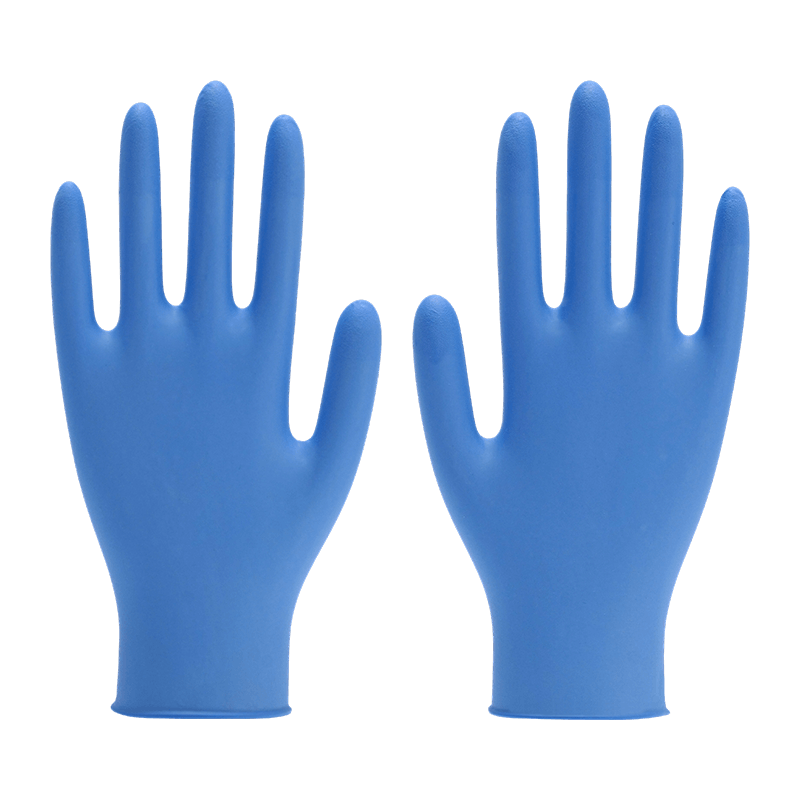
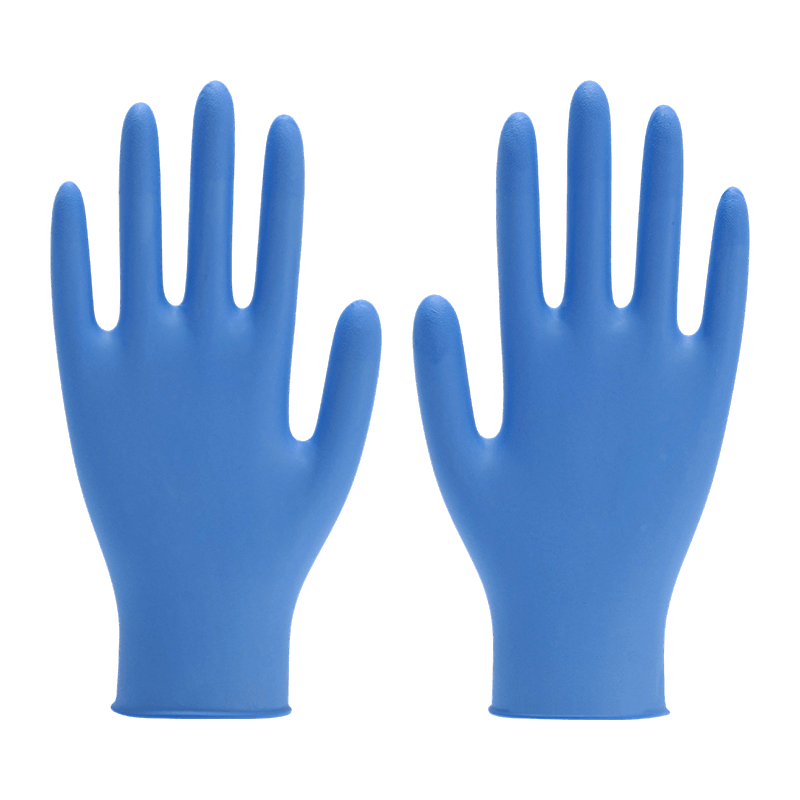
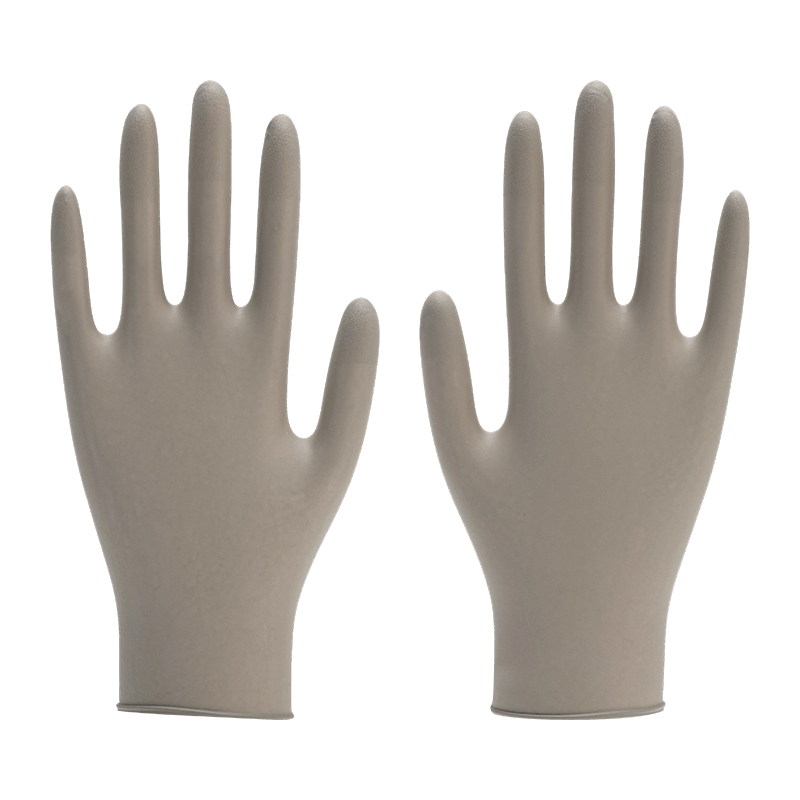 9-inch Medical Powder-Free Nitrile Gloves in Size MFollowing the sizing guidance to choose a larger fit, this 9-inch glove reaches the wrist, ideal for medical exams and tasks needing precision.View Product →
Step 3: Factor in Glove Length
Size letters such as S, M, and L describe the fit across the hand, not the amount of wrist coverage. Disposable nitrile gloves usually come in two lengths: 9-inch and 12-inch. A 9-inch glove reaches to the wrist and is the standard choice for medical examinations, food handling, and other tasks that need precision over coverage. A 12-inch glove extends further up the forearm, adding protection against splashes and making it a popular option for industrial and chemical work.
Switching between lengths does not change your palm size. If you choose a 12-inch glove, select the same S/M/L size as you would for a 9-inch one. The only exception is when the cuff feels restrictive around the forearm; in that case, moving up one size is a practical trade-off.
Not sure which thickness or surface finish suits your task? Our detailed guide to nitrile glove types and thickness compares the options side by side.
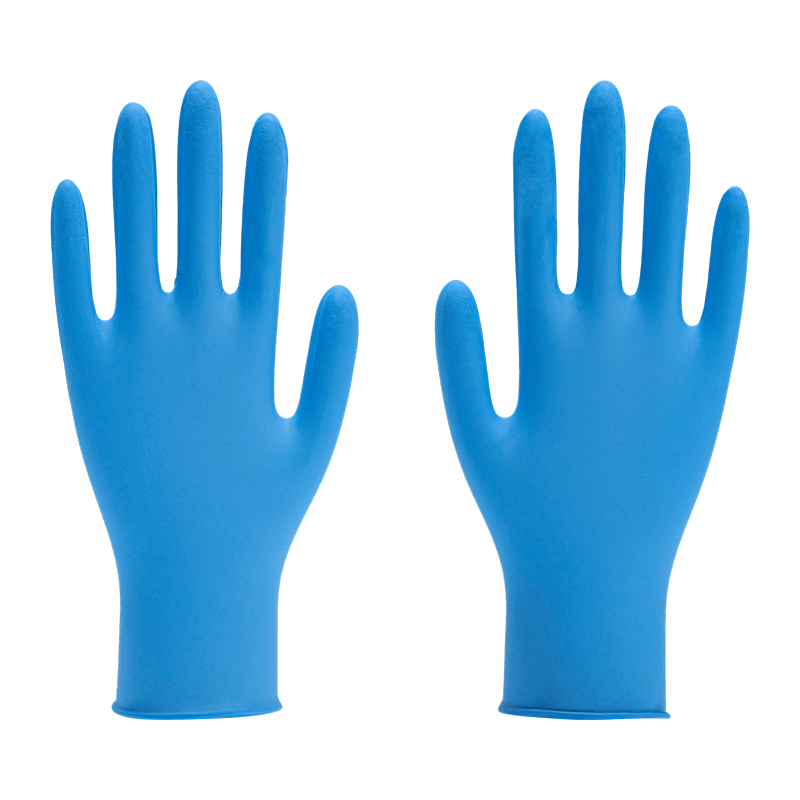
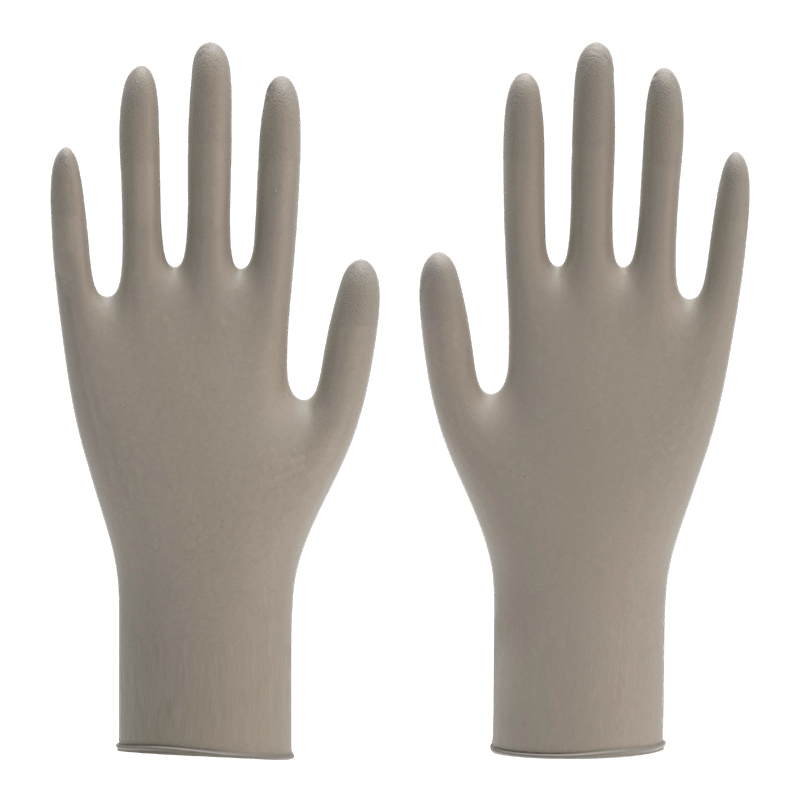 Industrial Textured Nitrile Gloves, 12-inch, Size LSince powder-free gloves tend to feel tighter, this 12-inch industrial textured glove in size L accommodates a more comfortable fit while providing reliable grip.View Product →
Powdered or Powder-Free: Does Fit Change?
Powdered gloves are easier to put on, which means they tolerate a snugger fit. If you are between sizes, a powdered glove in the smaller size may feel perfectly comfortable. Powder-free gloves, in contrast, create more friction when donning, so most people prefer the next size up. The palm will feel slightly looser, but the glove will go on smoothly without tugging.
Surface texture, meanwhile, has nothing to do with sizing. A fingertips-textured or fully textured glove follows the same size chart as a smooth one. Texture improves grip in wet or slippery conditions, but it does not change how the glove fits.
Common Sizing Mistakes to Avoid
- Measuring over an old glove or a bulky layer of clothing. Always measure a bare hand unless you plan to wear liners underneath.
- Pulling the tape tight. It should touch the skin without compressing it.
- Reusing the size from a different brand. Glove formers and last shapes vary, so the same letter can feel different between manufacturers.
- Checking palm width only and ignoring finger length. Long fingers may make the closest palm size feel short.
- Ordering one size for an entire team. Hands vary widely no matter the industry; stocking a mix of M, L, and XL is almost always the safer choice for bulk orders.
A quick fit test is the best final check. Put the glove on, flex your fingers, grip a small object, and hold that position for a few seconds. If there is no uncomfortable pinch and no loose fabric at the fingertips, the size is right.
Match the Right Range to Your Application
Once you know your size, the remaining choice is which range to buy. For medical examination work, a powder-free nitrile glove with fingertip texture provides a reliable balance of sensitivity and grip. Industrial settings, whether handling tools, parts, or chemicals, usually call for a thicker fully textured glove built for durability. In food processing and kitchen work, food-grade powder-free nitrile gloves are the conventional choice, especially where direct contact with food happens regularly.
You can compare the full range across our disposable nitrile glove collection, organized by medical, industrial, food-grade, and biosafety applications.
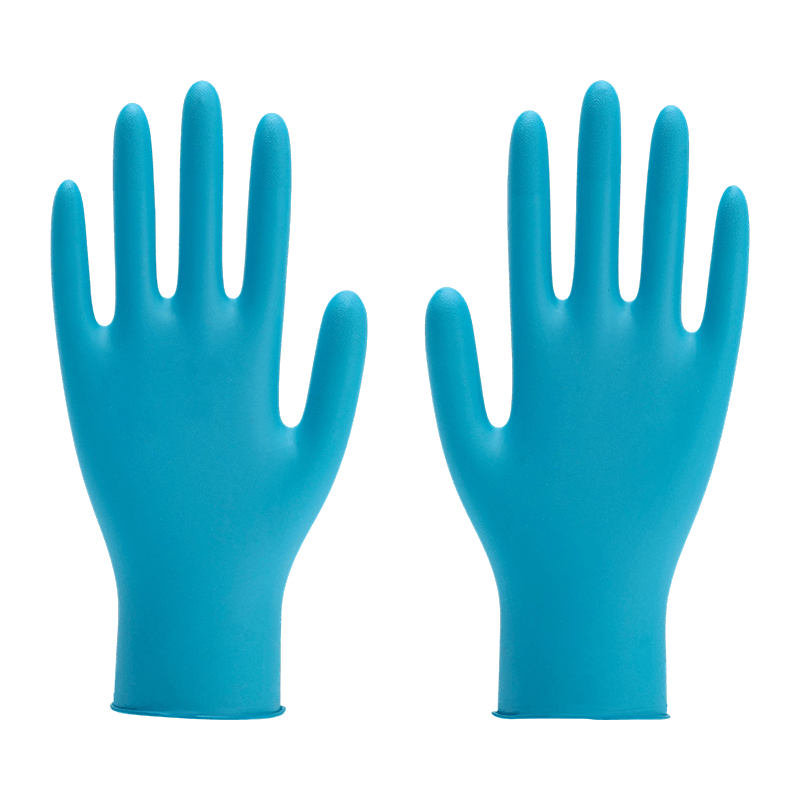
Food-Grade Powder-Free Nitrile Gloves, 9-inch, Size XLFollowing the advice to size up for powder-free styles, this 9-inch food-grade glove in XL offers a comfortable fit for safe food handling.View Product →Determining your disposable glove size does not have to involve trial and error. Measure the palm, check the hand length, and think about how the glove will be used before you place an order. When in doubt, size slightly larger for powder-free styles and always favor fit over habit. A well-chosen glove feels like second nature, and that is exactly how protective equipment should feel.
Featured Products
Recommended Products
News
-
-
If you buy disposable gloves in bulk, you have probably asked a supplier a very simple question and received a rather slippery answer: how many gloves are in a case? The honest short answer is usuall...
READ MORE -
Choosing the right disposable glove size is one of those small decisions that makes a big difference once you are actually wearing them. A glove that fits well lets you work comfortably for hours, ke...
READ MORE -
Few questions reach our team as often as this one: how long do nitrile gloves actually last? As a manufacturer of medical examination gloves, we speak with purchasing managers every week who want a c...
READ MORE
Get A Free
Custom Quote!
Custom Quote!

We are committed to providing integrated solutions for nitrile gloves and non-woven products.
Get a Quote
Disposable Gloves
Quick Links
E-mail
gatherlucky-sales5@nt-huifu.com
Call Us
+86-18012229099
+86-18012229096
+86-18012229099
AddressNo.7 Wenzhou Road,Economic Development Zone,Shuyang County,Suqian, Jiangsu Province, China, 223600
copyright © Jiangsu Complete Sincerity Medical New Materials Co.,Ltd. All rights reserved.
 Registration Number: 2021200 / 2021200
This website is intended for users outside of China