
 English
 Español
 日本語
 русский
If you buy disposable gloves in bulk, you have probably asked a supplier a very simple question and received a rather slippery answer: how many gloves are in a case? The honest short answer is usuall...
READ MORE
News Category
Product Category
How Many Nitrile Gloves Are in a Case? Box Counts, Case Sizes & Buying Tips
Before you place a glove order, one question always comes up: how many nitrile gloves are in a case? It seems like a small detail, but the answer shapes your budget, your storage planning, and how often your team has to open a new carton. We manufacture nitrile gloves every day, and buyers ask us this constantly. So let's break it down clearly, starting with the number you'll see most often.
The Short Answer: 1,000 Gloves Is the Standard
For the majority of medical and industrial nitrile gloves, a standard case contains 1,000 gloves. That works out to 100 gloves per dispenser box and 10 boxes per case. This configuration became the norm because it balances convenience at the point of use with a case size that is still easy to handle and store.
That said, "case" is not a universally fixed unit. Different product lines, glove thicknesses, and regional markets all influence the final count. The table below shows the configurations you are most likely to encounter.
| Configuration | Total gloves | Typical setting |
|---|---|---|
| 10 boxes × 100 gloves | 1,000 | Standard for medical examination gloves |
| 20 boxes × 50 gloves | 1,000 | Some heavier 12-inch industrial lines |
| 4 boxes × 100 gloves | 400 | Compact clinical and specialty orders |
| 5 boxes × 100 gloves | 500 | Some food-service and light industrial packs |
| 1 bulk carton × 1,000 gloves | 1,000 | Food-grade gloves in loose bulk packaging |
Notice how many configurations still add up to 1,000 gloves. If a supplier quotes a price per case, always confirm the total glove count. A "$20 case" means very different numbers depending on how it is packed.
Why Case Counts Vary Between Product Lines
Thickness is the biggest reason case counts differ. A standard examination glove is thin and light, so 1,000 of them fit neatly into one compact case. A heavier industrial glove, especially one at 8 mils or thicker, takes up more space and adds real weight. To keep boxes manageable and shipping costs in check, some manufacturers pack fewer boxes per case or switch to 50-glove boxes.
The intended work environment matters too. In food processing, workers pull gloves from dispensers all day, and many processors prefer loose bulk cartons with gloves packed in a single large bag rather than individual boxes. Clinical environments, on the other hand, rely on clean, neat dispenser boxes that can sit on a trolley or counter. The case count reflects those habits.
Finally, packaging design is simply different from factory to factory. Some makers use 5-box cases for specialty lines, others use 4-box cases for compact shipping. This is why we always recommend checking the product specification rather than assuming a standard. As a manufacturer, we design our packaging to be predictable, so buyers never have to guess what they are getting.
Case Counts by Application
Medical examination
Medical examination gloves are almost always packed 100 per box and 10 boxes per case. Clinics and hospitals rely on this format because it is easy to inventory and fits standard dispensers. If you are standardizing on medical-grade protection, a case with 1,000 gloves keeps ordering simple and predictable.
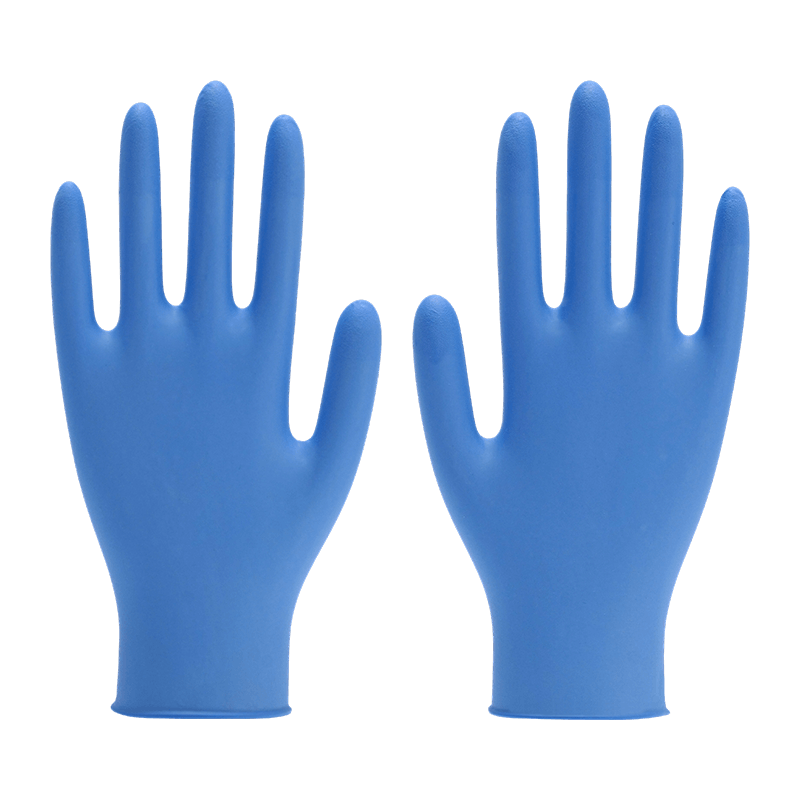
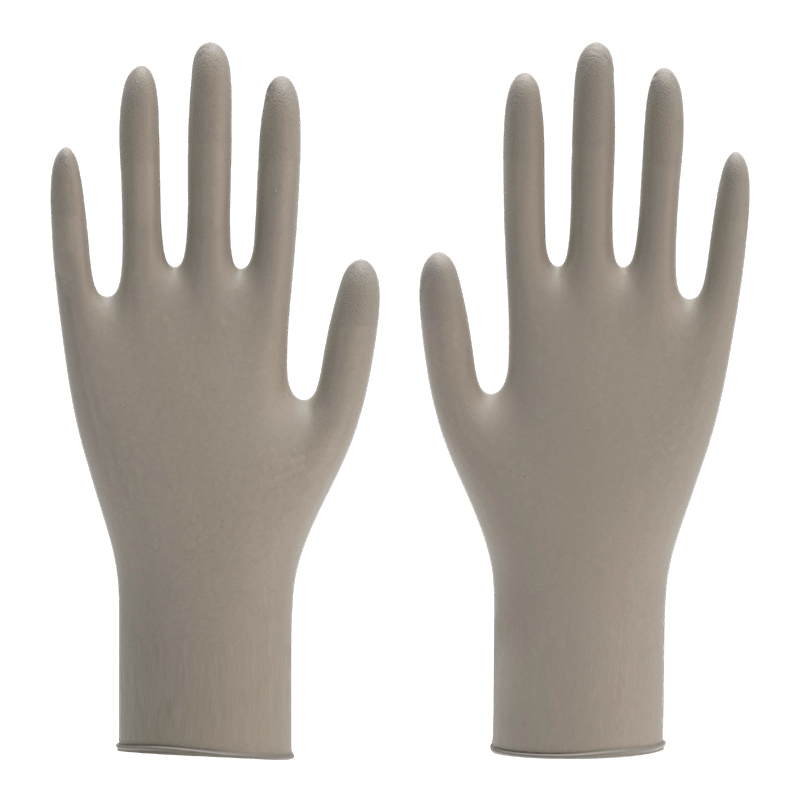 12-Inch Medical Nitrile Gloves, Powder-Free, Size MThis medical-grade glove comes in the standard 100-per-box, 10-box case format, matching the clinical inventory expectations discussed above. Check the page for exact specs and customization options.View Product →
Industrial work
Industrial gloves lean toward the same 1,000-count standard, but you will also see 50-glove boxes in heavier lines. A thicker glove with a textured grip takes up more volume, so a 12-inch heavy-duty glove is often packed 50 per box with 20 boxes per case. Either way, the total is usually 1,000, but the weight of the case can be noticeably higher.
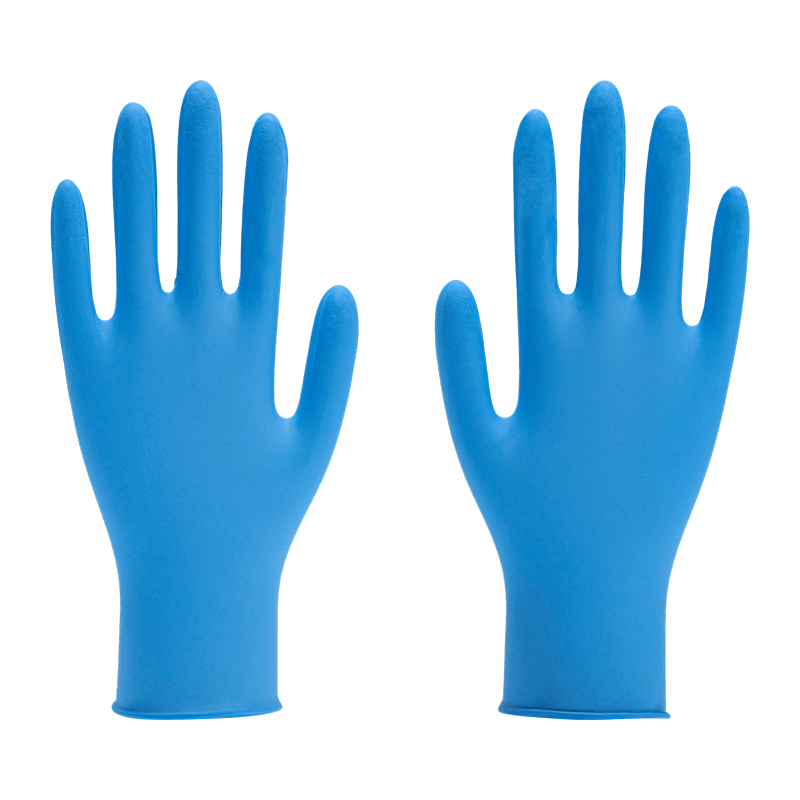
12-Inch Industrial Nitrile Gloves, Powder-Free, Size MFor industrial settings, this glove offers the same 100-per-box, 10-box case as medical lines, though heavier variants may differ—verify packaging details here before ordering.View Product →
Food processing
Food-grade nitrile gloves come in both configurations. Some suppliers ship 100 per box with the familiar 10-box case; others prefer bulk packaging with gloves packed loosely in a large carton. Bulk packing is popular in busy kitchens because it reduces packaging waste and keeps refill time to a minimum.
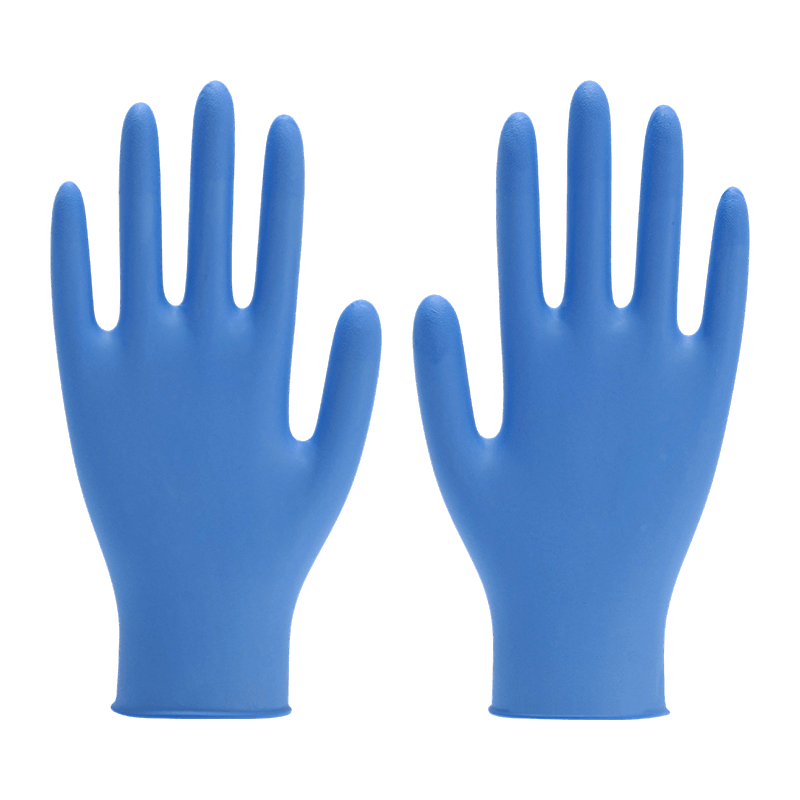
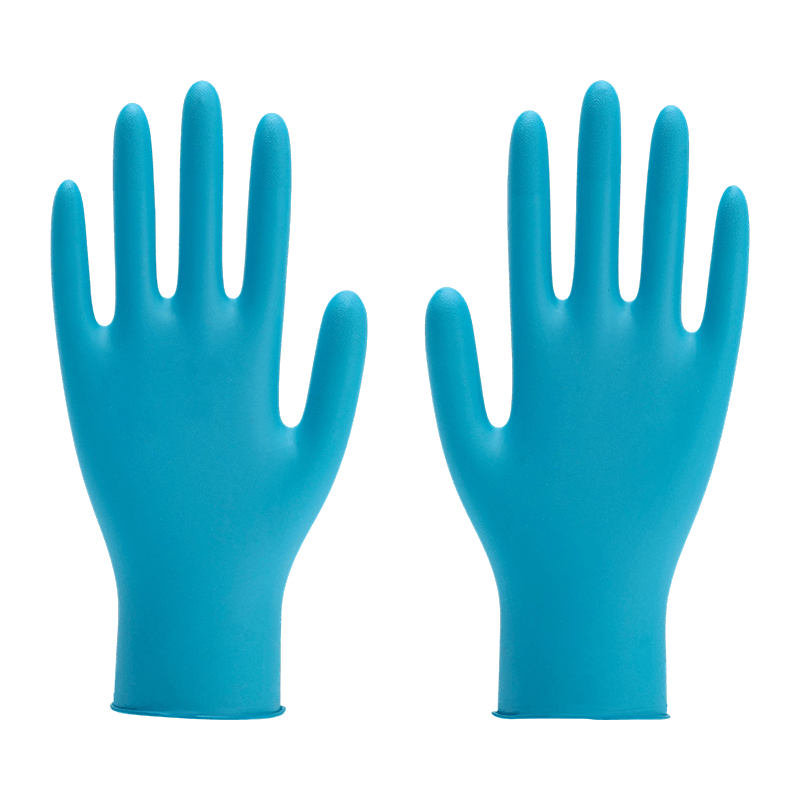
12-Inch Food-Grade Nitrile Gloves, Powder-Free, Size MIn food-grade applications, packaging can vary by supplier; this product page clearly states 100 gloves per box and 10 boxes per carton, helping you confirm case counts reliably.View Product →How to Confirm the Count Before You Order
The most reliable way to know your case count is to check the product page or specification sheet. Reputable manufacturers list the gloves per box and boxes per case right alongside the size, length, and thickness information. Our nitrile glove product pages follow that same format, so you can see the full details before you request a quote. Feel free to browse the product index to compare your options.
You can also check the label on a physical carton or dispenser box. The glove count is printed on both. If you are buying through a distributor and the number is not listed, ask them directly. A supplier who cannot tell you how many gloves are in a case probably has not looked closely at their own inventory, and that is a red flag.
As a manufacturer, we see consistent case counts as part of product quality. Our automated lines are designed for a daily output of more than one million gloves, so our packing lines are set up to deliver the same boxes per case, batch after batch. When you plan stock levels around a known number, inventory management becomes much easier.
What Else to Think About When Buying by the Case
Sizing and how your team works
Most cases hold a single size, which is ideal when your team uses one or two sizes. If your team spans the full range from XS to XXL, ask your supplier about splitting a pallet by size. You may pay a little more per unit, but you will not be stuck with boxes no one can use.
Thickness matters more than the count
A case count tells you how many gloves you receive, not how well they perform. For medical tasks, a standard exam glove at around 4 to 6 mils is often enough. For industrial work, you may want 6 to 8 mils with a textured grip. The nitrile glove buyer's guide walks through these choices in detail.
Storage and shelf life
Nitrile gloves are stable products with a shelf life of roughly three to five years if you keep them cool, dry, and out of direct sunlight. Store cases off the floor, keep them sealed until needed, and rotate stock so older cases are used first.
Buying directly from the manufacturer
When you buy straight from the factory, you get clearer packaging information, consistent case counts, and a direct line to the people who make the product. That is helpful for volume orders, custom size mixes, and any question about what is actually inside the box.
So, how many nitrile gloves are in a case? In the great majority of orders, the answer is 1,000, arranged as 100 gloves in each of 10 boxes. The exact configuration can vary by application and manufacturer, which is why confirming the count is always the right move.
If you are planning a purchase and want exact packing details, our team is happy to walk you through the options. We produce medical, industrial, food-grade, and biosafety nitrile gloves, and we can tell you exactly what each case holds before you commit.
Featured Products
Recommended Products
News
-
-
If you buy disposable gloves by the case, the moment of truth happens the first time a glove fails. The puncture, torn cuff, or stiff film is not an isolated accident. It is the visible result of a c...
READ MORE -
A hospital buyer, a plant supervisor, and a food processing manager can all type the same two words into a search engine—nitrile gloves—and each need a different product at the end of it. The materia...
READ MORE -
Few questions reach our team as often as this one: how long do nitrile gloves actually last? As a manufacturer of medical examination gloves, we speak with purchasing managers every week who want a c...
READ MORE
Get A Free
Custom Quote!
Custom Quote!

We are committed to providing integrated solutions for nitrile gloves and non-woven products.
Get a Quote
Disposable Gloves
Quick Links
E-mail
gatherlucky-sales5@nt-huifu.com
Call Us
+86-18012229099
+86-18012229096
+86-18012229099
AddressNo.7 Wenzhou Road,Economic Development Zone,Shuyang County,Suqian, Jiangsu Province, China, 223600
copyright © Jiangsu Complete Sincerity Medical New Materials Co.,Ltd. All rights reserved.
 Registration Number: 2021200 / 2021200
This website is intended for users outside of China