
 English
 Español
 日本語
 русский
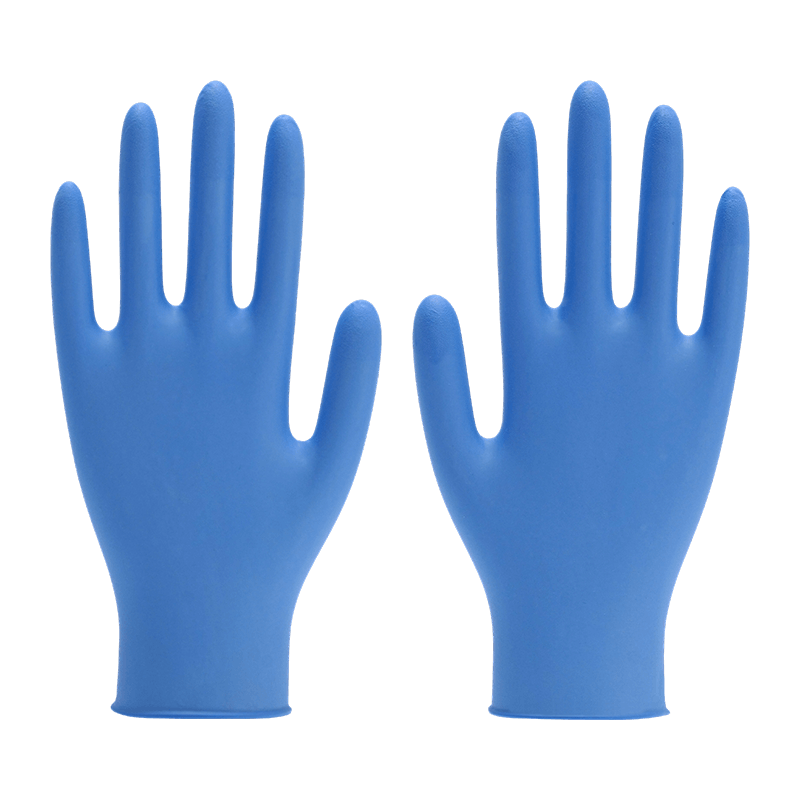
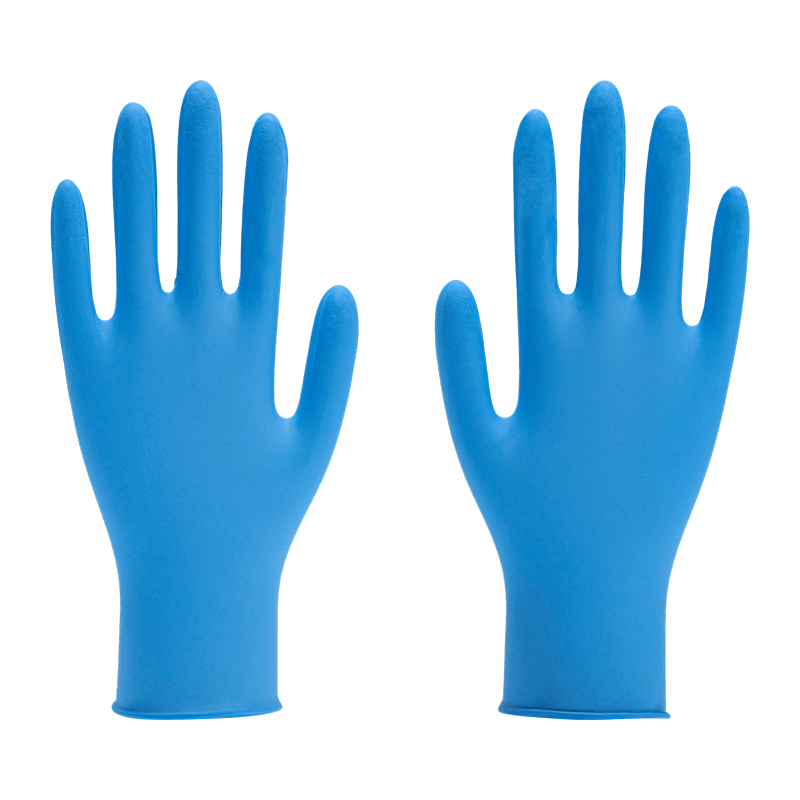
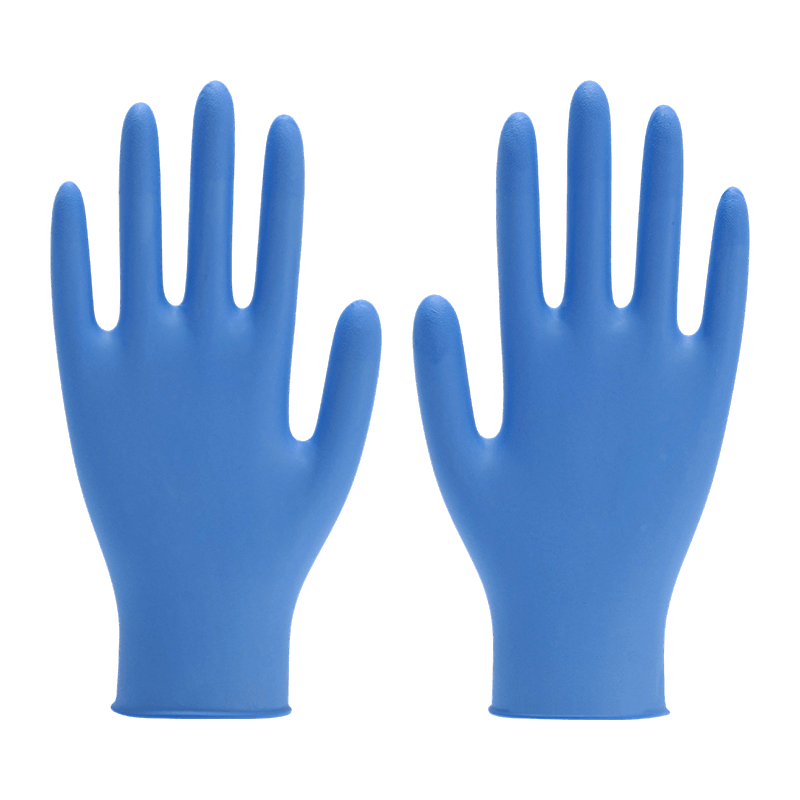
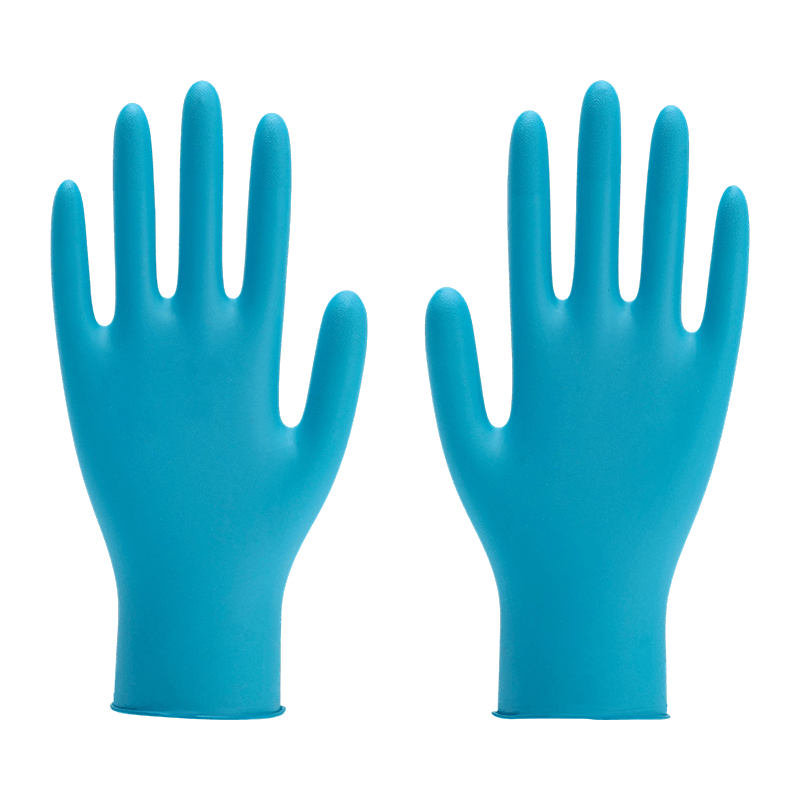
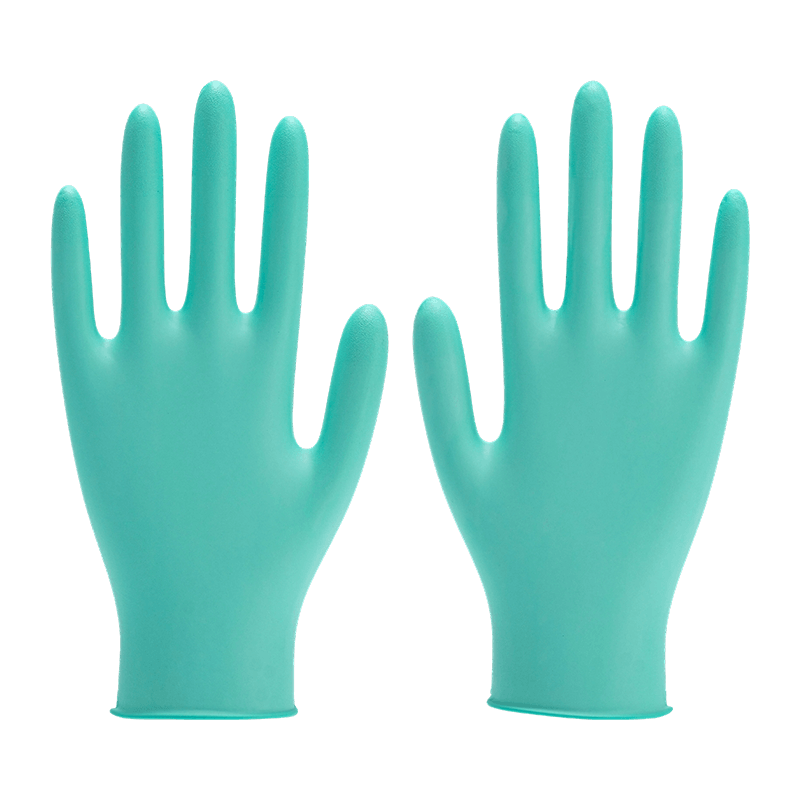
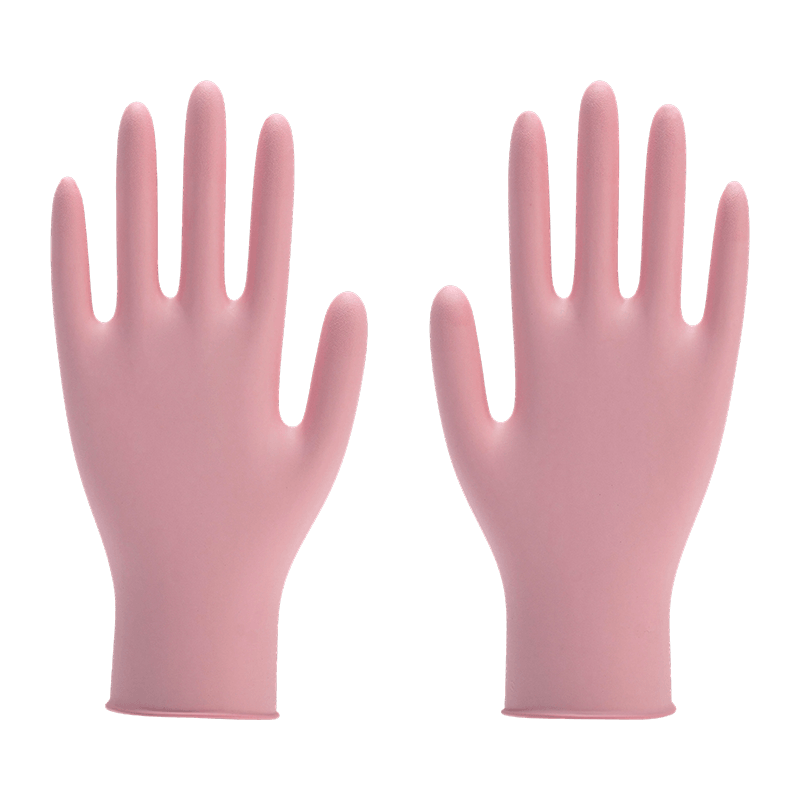
Glove thickness is one of those specifications that appears on every product sheet yet rarely gets explained. You see a number like 5 mil, assume it relates to protection, and move on. But when you a...
READ MORE
News Category
Product Category
how many nitrile gloves in a box: Applications, Selection Criteria, and Practical Guidance
Content
Ask anyone who handles procurement for a hospital, a food plant, or a workshop, and they will tell you that one of the first questions buyers ask is simple: how many nitrile gloves in a box? It sounds basic, but the answer shapes budgets, storage plans, and daily usage forecasts. The question comes up so often that we decided to put a complete answer in writing. As a manufacturer of medical examination gloves, we have packed and shipped millions of pairs, and we know exactly why this detail deserves attention. In this guide, we will cover standard packaging counts, the factors that can change them, and what to verify before you place your next order.
The Short Answer: 100 Gloves per Box
When customers ask how many nitrile gloves in a box, the usual answer is 100. This count has become the standard for examination-grade nitrile gloves across medical, industrial, and food-handling sectors. A 100-count box is practical: it fits standard glove dispensers, stays light enough for staff to restock, and matches the consumption patterns of most busy workplaces.
But 100 per box is not the only option. Some suppliers offer 50-count boxes for thicker or oversized gloves, and a few value lines use 200-count boxes. Here is a quick reference of the counts you are most likely to encounter:
| Box Type | Typical Count | Typical Use |
|---|---|---|
| Standard examination box | 100 gloves | Medical, industrial, food service |
| Compact or dispenser box | 50 gloves | Exam rooms, small workstations |
| Value or bulk box | 200 gloves | High-volume assembly, plant floors |
From Box to Case: Planning Your Total Stock
When buyers ask how many nitrile gloves are in a box, they are often really thinking about their total inventory. The box is the retail or selling unit, but the case is the shipping unit. In our experience, the most common configuration is 10 boxes per case, which gives you 1,000 gloves per carton.
That said, case counts can vary. Some premium 12-inch gloves ship eight boxes per case to keep the carton weight manageable, and some regional suppliers use different conventions. This distinction matters more than most buyers realize. A slight difference in case count between two suppliers can change your cost per glove even when the per-box price looks identical. On large orders, that difference adds up quickly. If you are forecasting usage across shifts, always confirm both the box count and the case count with your supplier before you calculate your cost per glove.
Why Box Counts Vary Between Product Lines
Several factors influence how many gloves actually end up in each box, and as a manufacturer, we weigh every one of them during packaging decisions:
- Glove thickness: Heavier-duty gloves, typically 6 mil and above, take up more space per pair, so they sometimes come in 50-count boxes.
- Glove size: XL and XXL gloves are bulkier; some product lines reduce per-box counts for these sizes.
- Powder processing: Powder-free and powdered versions are usually packed in the same counts, but the way they are bundled can differ to make donning easier.
- Customer specifications: Hospitals and distributors sometimes request custom pack sizes, which is one reason buying directly from a manufacturer with flexible packaging is an advantage.
For a closer look at how thickness and type affect your choice, see our buyer's guide to nitrile glove types and thickness.
When a 50-Count Box Makes More Sense
Most facilities default to 100-count boxes, and for good reason. They reduce packaging waste, simplify restocking, and align with daily consumption. But there are situations where a smaller box is genuinely better.
Small clinics that use only a few pairs per day prefer 50-count boxes so gloves stay sealed and hygienic for longer. Mobile teams and technicians who carry gloves between stations also appreciate the lighter weight. The right count depends less on convention and more on how your team works.
Matching Box Counts to Your Application
Understanding the standard count matters differently depending on where the gloves will be used.
Medical Settings
In hospitals and clinics, the 100-count box is the reference point. Procurement teams track usage in boxes, and the standard count keeps inventory systems simple. In our own production, we keep medical exam gloves at 100 per box because that is what hospitals and distributors tell us works best for their floor stock and supply cabinets. Our medical-grade powder-free gloves are packed in the familiar 100-count configuration, available in 9-inch and 12-inch lengths in sizes from XS to XXL.
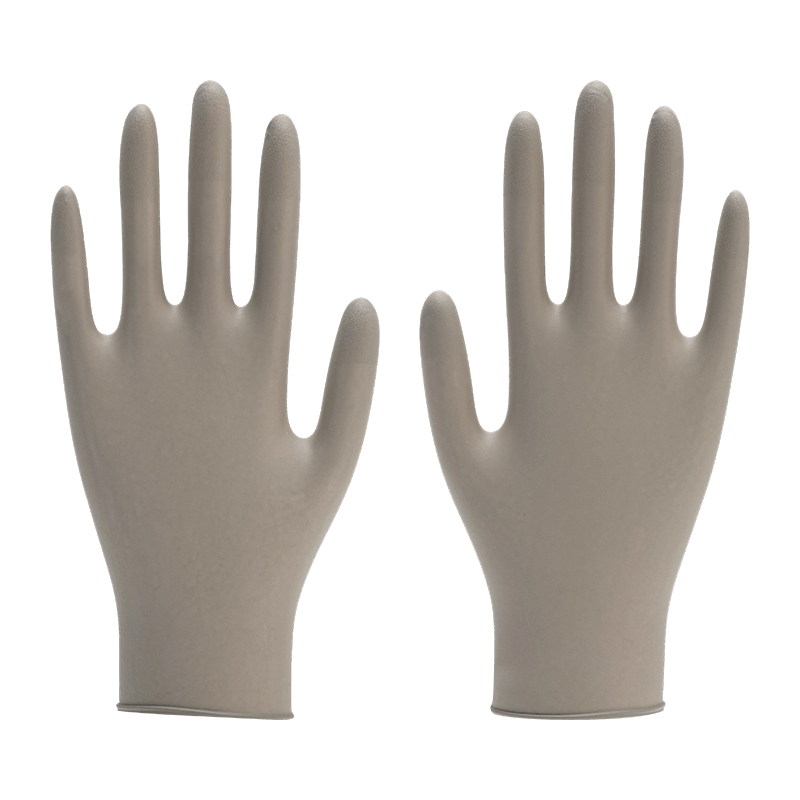 Medical-Grade Powder-Free Nitrile Gloves, 100-Count BoxStandard 100-count packaging aligns with hospital inventory systems. Powder-free nitrile construction suits clinical use, with size and length options for floor stock.View Product →
Food Processing and Service
Food-grade nitrile gloves follow the same 100-count standard in most markets. What matters in this category is that the material meets food-contact requirements and that the gloves keep their grip when wet or greasy. Our food-grade fingertip-textured gloves are designed for exactly those conditions, and they arrive in the same predictable 100-count boxes.
Food-Grade Fingertip-Textured Nitrile Gloves, 100-Count BoxFingertip texture provides reliable grip on wet or greasy surfaces. Food-contact material and consistent 100-count boxes meet kitchen and processing needs.View Product →
Industrial Workplaces
Industrial teams tend to consume gloves at a faster rate, and the per-box count directly affects how often someone needs to open a new case. Confirming the box count before you order helps you schedule replenishment and avoid sudden shortages on the line. Our industrial textured gloves offer the durability that assembly and maintenance tasks require, and we supply them in standard 100-count boxes that are easy to store next to workstations.
Industrial Textured Nitrile Gloves, 100-Count BoxDurable textured gloves for assembly and maintenance tasks. Standard 100-count boxes simplify storage and replenishment schedules near workstations.View Product →How to Verify the Count Before You Order
A quick checklist can save you from surprises:
- Read the label: box labels state the quantity; they also show material, length, and any certification marks.
- Ask for the case breakdown: confirm whether a case contains 8 or 10 boxes before comparing quotes.
- Request a sample: reputable manufacturers include the exact packing specification with samples.
- Audit deliveries: a simple weight check on a sealed box can confirm you received the quantity you paid for.
Ordering Nitrile Gloves with Confidence
Knowing how many nitrile gloves are in a box may seem like a minor detail, but it affects your unit cost, your storage capacity, and your team's ability to work safely. We have been manufacturing nitrile gloves for years, and we have learned that clear communication about packaging prevents more problems than almost any other detail.
As a manufacturer, we keep our packing consistent, our counts accurate, and our supply stable. Whether you need medical, food-grade, or industrial gloves, our complete nitrile glove range is available in the standard box counts your facility already expects, and we are always happy to confirm exact pack sizes before you place an order.
Featured Products
Recommended Products
News
-
-
Every shift, a single clinician can go through a dozen or more pairs of medical nitrile gloves while moving from patient exams to wound care to IV adjustments. Behind those individual pairs sits a pr...
READ MORE -
Choosing the right disposable glove size is one of those small decisions that can make a surprisingly big difference on the job. A glove that fits well feels secure, allows natural hand movement, and...
READ MORE -
A hospital buyer, a plant supervisor, and a food processing manager can all type the same two words into a search engine—nitrile gloves—and each need a different product at the end of it. The materia...
READ MORE
Get A Free
Custom Quote!
Custom Quote!

We are committed to providing integrated solutions for nitrile gloves and non-woven products.
Get a Quote
Disposable Gloves
Quick Links
E-mail
gatherlucky-sales5@nt-huifu.com
Call Us
+86-18012229099
+86-18012229096
+86-18012229099
AddressNo.7 Wenzhou Road,Economic Development Zone,Shuyang County,Suqian, Jiangsu Province, China, 223600
copyright © Jiangsu Complete Sincerity Medical New Materials Co.,Ltd. All rights reserved.
 Registration Number: 2021200 / 2021200
This website is intended for users outside of China