
 English
 Español
 日本語
 русский
Choosing the right nitrile glove size does not have to feel like guesswork. In our years of producing examination, industrial, food-grade, and biosafety nitrile gloves, we have seen many buyers ask t...
READ MORE
News Category
Product Category
How to Put on Nitrile Gloves Correctly: A Step-by-Step Guide for Safe Use
Content
- 1 Start With Clean Hands and a Clear Workspace
- 2 Choose the Right Size and Style Before You Don
- 3 The Step-by-Step Method for Donning Nitrile Gloves
- 4 How to Remove Nitrile Gloves Safely
- 5 Common Mistakes That Compromise Protection
- 6 Matching Donning Practice to Medical, Food, and Industrial Settings
- 7 A Simple Checklist for Trainers and Buyers
Putting on nitrile gloves looks simple, and most of us have done it hundreds of times. Yet in busy clinics, food plants, and industrial workshops, small habits decide whether a glove protects you or becomes a source of contamination. As a manufacturer of nitrile examination gloves, we have seen how much difference a calm, consistent donning routine makes.
This guide covers the practical steps for non-sterile nitrile gloves, from clean hands and correct sizing to safe removal and disposal. If your workplace requires sterile surgical technique, follow its validated procedure instead.
Start With Clean Hands and a Clear Workspace
Clean gloves do not make dirty hands safe. Before you open a box, wash your hands with soap and water, then dry them completely with a clean paper towel. If soap and water are not available, use an alcohol-based hand sanitizer and let it dry fully. Damp or oily skin makes nitrile harder to control and can cause the cuff to roll.
- Remove rings, watches, and bracelets. They can tear the glove or lift the cuff during work.
- Check that the box is intact and the gloves are not discolored, tacky, or stuck together.
- Set the box within easy reach so you do not touch drawers, phones, or door handles after donning.
- Keep nails short and smooth; sharp edges are a common cause of pinholes.
Choose the Right Size and Style Before You Don
Nitrile should feel like a second skin, not a tourniquet. A glove that is too small restricts movement and tires the hand; one that is too large bunches at the palm and slips during precise work. Our nitrile gloves run from XS to XXL and are available in 9-inch and 12-inch lengths, with powder-free, powdered, fingertip-textured, and fully textured options.
For clinical and food-handling tasks, powder-free gloves are usually the cleaner choice. Textured fingertips help with grip in wet or dry conditions, while a longer cuff gives extra coverage when there is a risk of splashes. For a deeper comparison of types and thickness, see our buyer's guide to nitrile glove types and thickness.
| Check | Good fit | Try another size or style if |
|---|---|---|
| Fingertips | Glove tips sit close to your fingertips without pressure | Tips bulge, leave gaps, or press on the nails |
| Palm and knuckles | Surface stays smooth when you make a fist | Deep creases form or bending feels restricted |
| Wrist cuff | Cuff covers the wrist and stays in place | Cuff rolls down or digs into the skin |
| Grip | Fingers and palm feel controlled during tasks | Glove twists or slips on the hand |
The Step-by-Step Method for Donning Nitrile Gloves
Use this sequence for clean, non-sterile gloves. The aim is to touch only the inside of the glove with bare hands and keep the outside surface ready for work.
- Perform hand hygiene and dry your hands completely. Nitrile grips better on dry skin, and dry hands make the cuff easier to handle.
- Pick up the first glove by the inside of the cuff. Keep your bare fingers away from the outside surface, which will soon be the working side.
- Slide your hand in with your thumb tucked toward your palm. Pull gently at the cuff rather than snapping the glove, and stop if you feel a tear or sharp resistance.
- Put on the second glove. With your first hand gloved, hook your fingers under the outside cuff of the second glove, then slide your bare hand in from the inside. Adjust after both gloves are on.
- Press the gloves into the spaces between your fingers and smooth the palm. Pull the cuff so it covers your wrist, but do not stretch it so far that it rolls back.
- Check both gloves for tears, pinholes, or discoloration. If anything looks wrong, remove the glove and replace it.
Avoid blowing into the gloves to open them. Moisture from your breath can make the inside damp and uncomfortable, and it is not a clean way to prepare a glove for use.
How to Remove Nitrile Gloves Safely
Removal matters as much as donning. The outside of a used glove may carry chemicals, food residue, or infectious material, so take your time and keep the contaminated surface away from your skin.
- Pinch the outside of one glove near the wrist, being careful not to touch your bare skin.
- Peel the glove away from your hand and turn it inside out. Hold the removed glove in your still-gloved hand.
- Slide two bare fingers under the cuff of the remaining glove. Peel it off, turning it inside out over the first glove.
- Discard both gloves in the appropriate waste container, then wash your hands with soap and water.
Do not snap the gloves off, and never reuse disposable nitrile gloves. A glove that has been stretched, contaminated, or turned inside out will not provide the same barrier the second time.
Common Mistakes That Compromise Protection
- Touching the outside of the glove with bare hands during donning.
- Choosing a size by habit instead of checking the fit at the fingers and wrist.
- Wearing rings or watches under gloves, which can create weak points.
- Reusing disposable gloves or trying to wash them for another task.
- Snapping cuffs, blowing into gloves, or storing boxes in hot vehicles.
- Donning gloves while hands are still wet from sanitizer or hand lotion.
Matching Donning Practice to Medical, Food, and Industrial Settings
The basic steps stay the same, but the details change with the task and the environment.
Medical and examination settings
In clinical work, clean hands and a secure cuff matter most. Powder-free nitrile reduces the risk of residue around wounds and sensitive equipment, and gloves should be changed between patients according to facility policy. A snug fit at the fingertips helps with palpation and small instrument work.
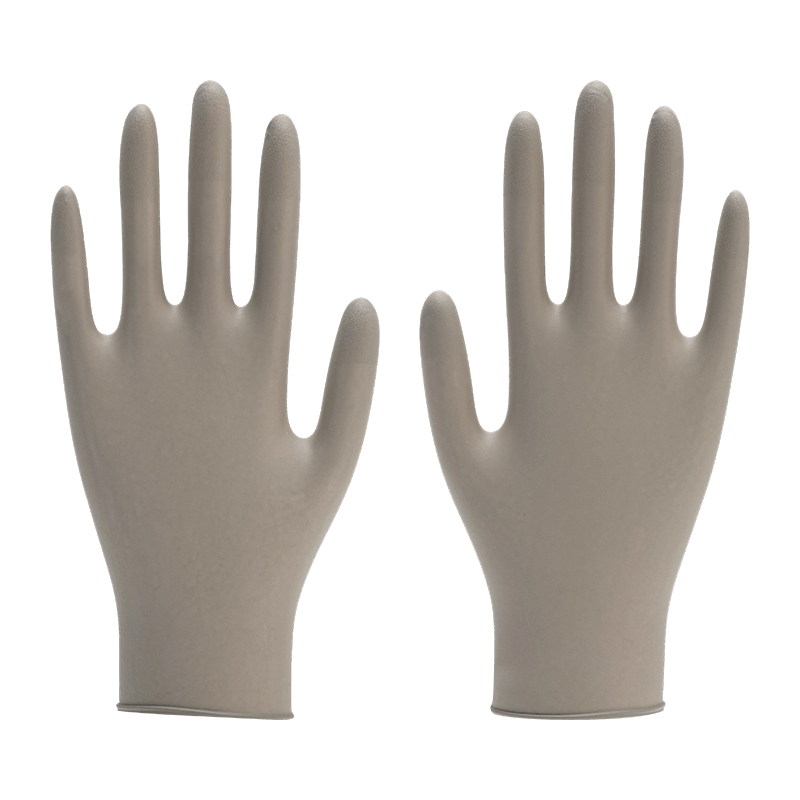 9-Inch Medium Powder-Free Nitrile Medical GlovesA 9-inch medium powder-free nitrile medical glove for clinical tasks, available in blue or black with customizable color and weight options.View Product →
Food handling and service
Food teams should don gloves only after handwashing, then change them when they tear, become soiled, or move between raw and ready-to-eat tasks. Powder-free food-grade nitrile is a practical choice because it leaves no powder residue on food contact surfaces. Textured fingertips also help when handling wet produce or greasy equipment.
9-Inch Medium Food-Grade Powder-Free Nitrile GlovesA 9-inch medium food-grade powder-free nitrile glove for food handling, offered wholesale with blue or black color and customizable weight options.View Product →
Industrial and maintenance work
For industrial tasks, choose a glove that matches the job rather than simply the largest available size. A 12-inch cuff gives more wrist coverage where splashes or dust are present, while fingertip texture improves grip on tools and parts. Always check that the glove is suitable for the specific task and follow your site's safety guidance.
9-Inch Large Industrial Powder-Free Nitrile GlovesA 9-inch large powder-free nitrile glove for industrial tasks, available wholesale in blue or black with customizable weight and color options.View Product →A Simple Checklist for Trainers and Buyers
Good glove practice is easier to maintain when the right supplies are within reach. Keep at least three sizes available, place dispensers near handwashing stations, and train staff on both donning and removal. Post a short step-by-step reminder where gloves are stored, and check that boxes stay dry and away from direct sunlight.
Buyers should also review the glove type against the real task: length, texture, powder option, and fit all affect comfort and performance. You can explore our nitrile glove range by application, length, texture, and powder option to match the routine your team actually follows.
A calm routine, clean hands, and a good fit do more for protection than a rushed motion ever will. Whether you are preparing for a patient examination, a food production shift, or a maintenance job, take the extra few seconds to don and remove nitrile gloves properly. Your hands, your work, and the people you serve will be better protected for it.
Featured Products
Recommended Products
-
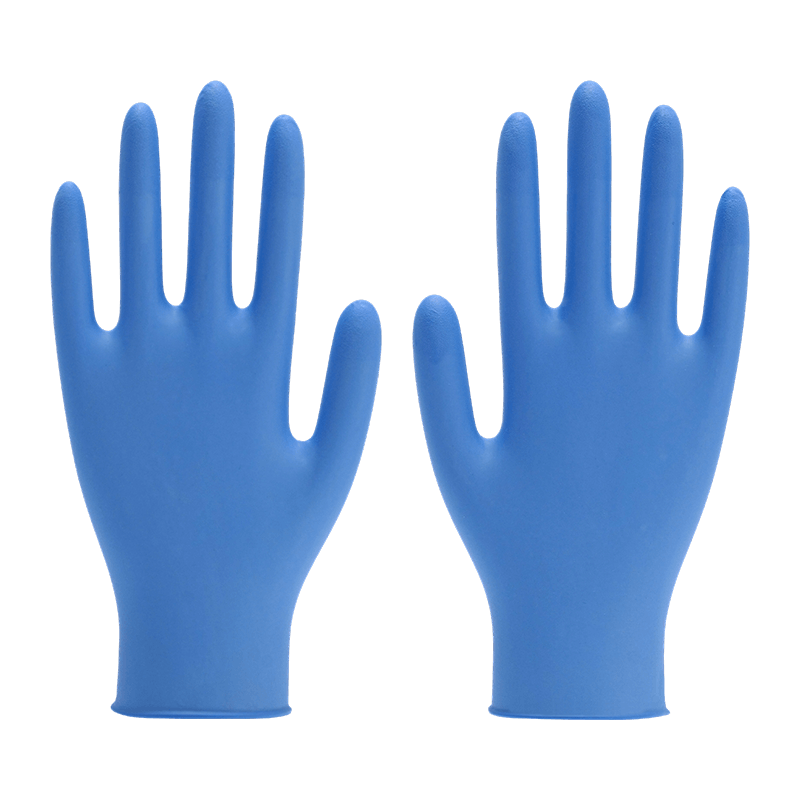 9 inch XS Biosafety Protection Fingertip-Textured Nitrile Gloves
-
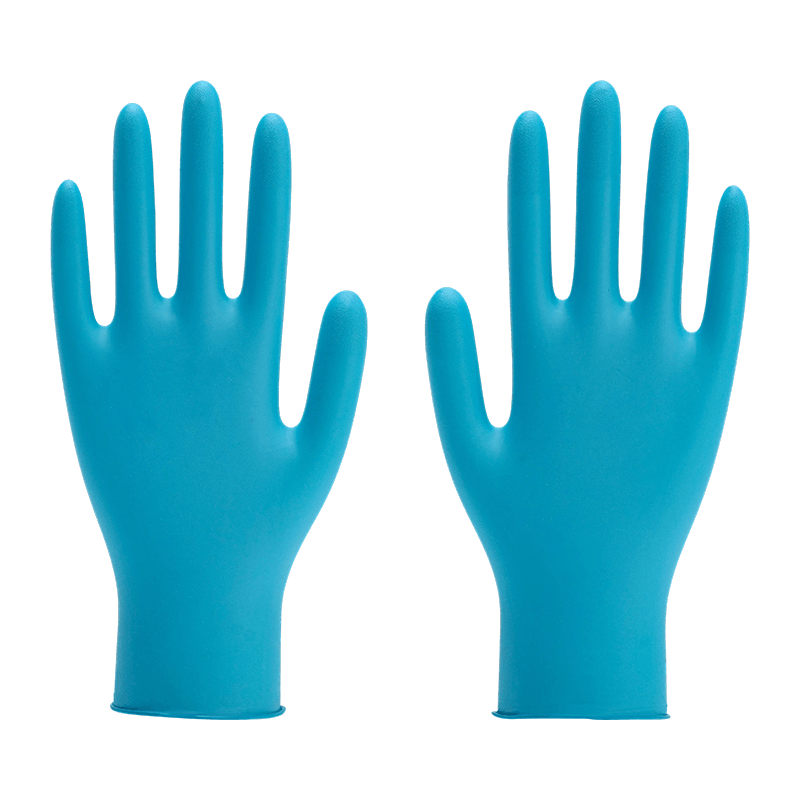 9 inch S Biosafety Protection Powder-Free Nitrile Gloves
-
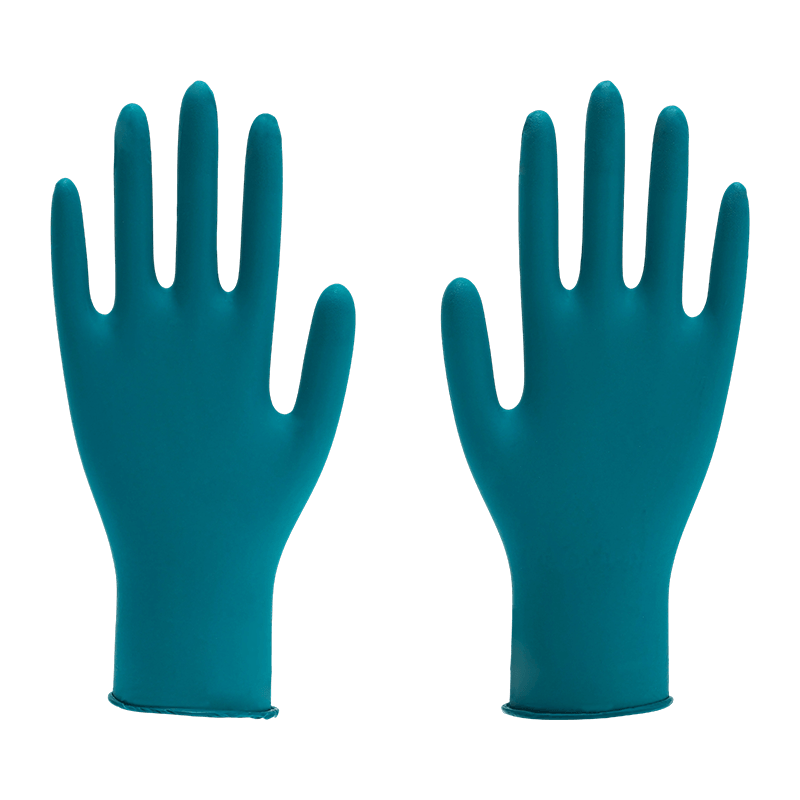 9 inch S Biosafety Protection Fingertip-Textured Nitrile Gloves
-
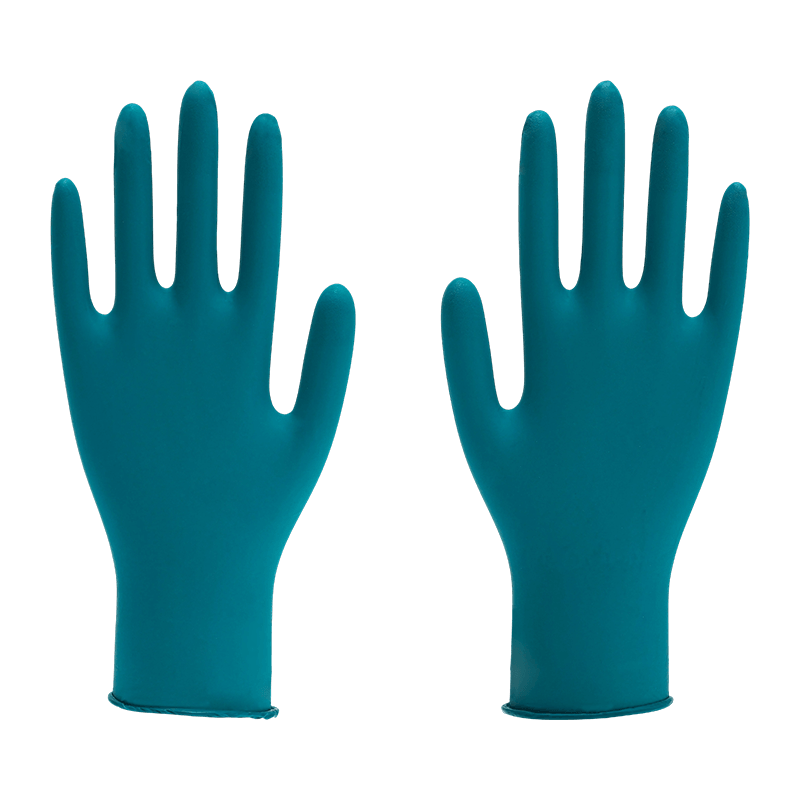 9 inch XXL Biosafety Protection Powdered Nitrile Gloves
-
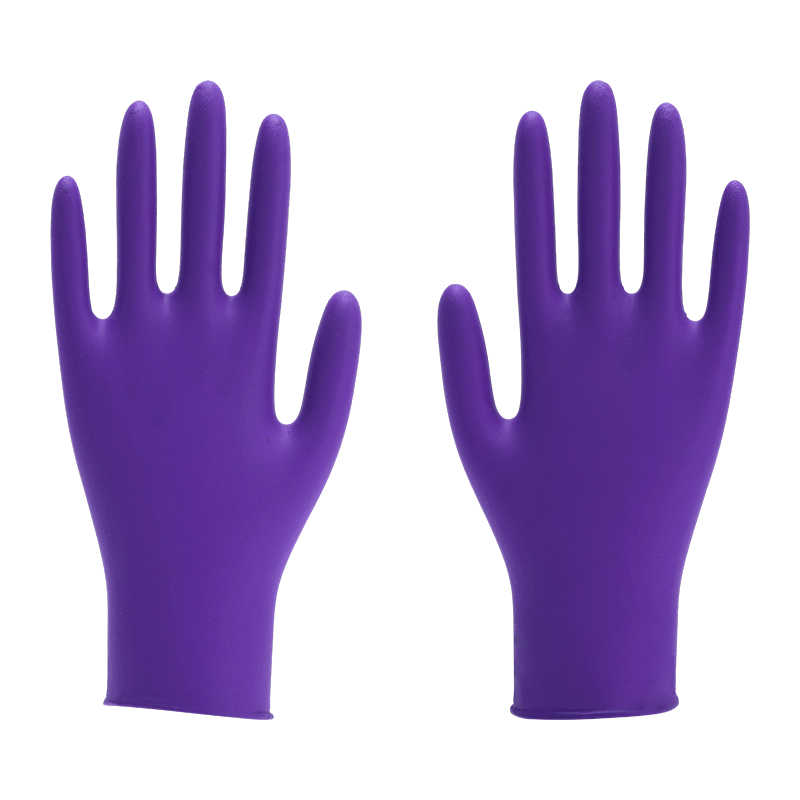 9 inch XL Biosafety Protection Powdered Nitrile Gloves
-
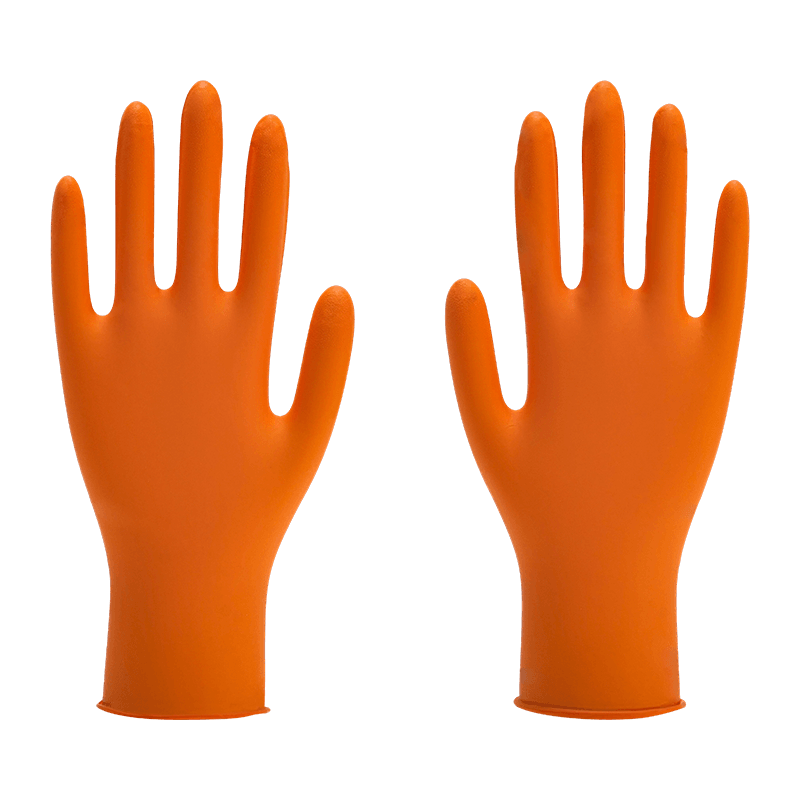 9 inch L Biosafety Protection Powdered Nitrile Gloves
News
-
-
Few questions reach our team as often as this one: how long do nitrile gloves actually last? As a manufacturer of medical examination gloves, we speak with purchasing managers every week who want a c...
READ MORE -
In our years of producing nitrile gloves for medical, industrial, food and biosafety customers, the question buyers ask most often is about thickness. Can you reliably tell a 4 mil glove from a 6 mil...
READ MORE -
Choosing the right disposable glove size is one of those small decisions that can make a surprisingly big difference on the job. A glove that fits well feels secure, allows natural hand movement, and...
READ MORE
Get A Free
Custom Quote!
Custom Quote!

We are committed to providing integrated solutions for nitrile gloves and non-woven products.
Get a Quote
Disposable Gloves
Quick Links
E-mail
gatherlucky-sales5@nt-huifu.com
Call Us
+86-18012229099
+86-18012229096
+86-18012229099
AddressNo.7 Wenzhou Road,Economic Development Zone,Shuyang County,Suqian, Jiangsu Province, China, 223600
copyright © Jiangsu Complete Sincerity Medical New Materials Co.,Ltd. All rights reserved.
 Registration Number: 2021200 / 2021200
This website is intended for users outside of China